
Last updated November 25, 2026
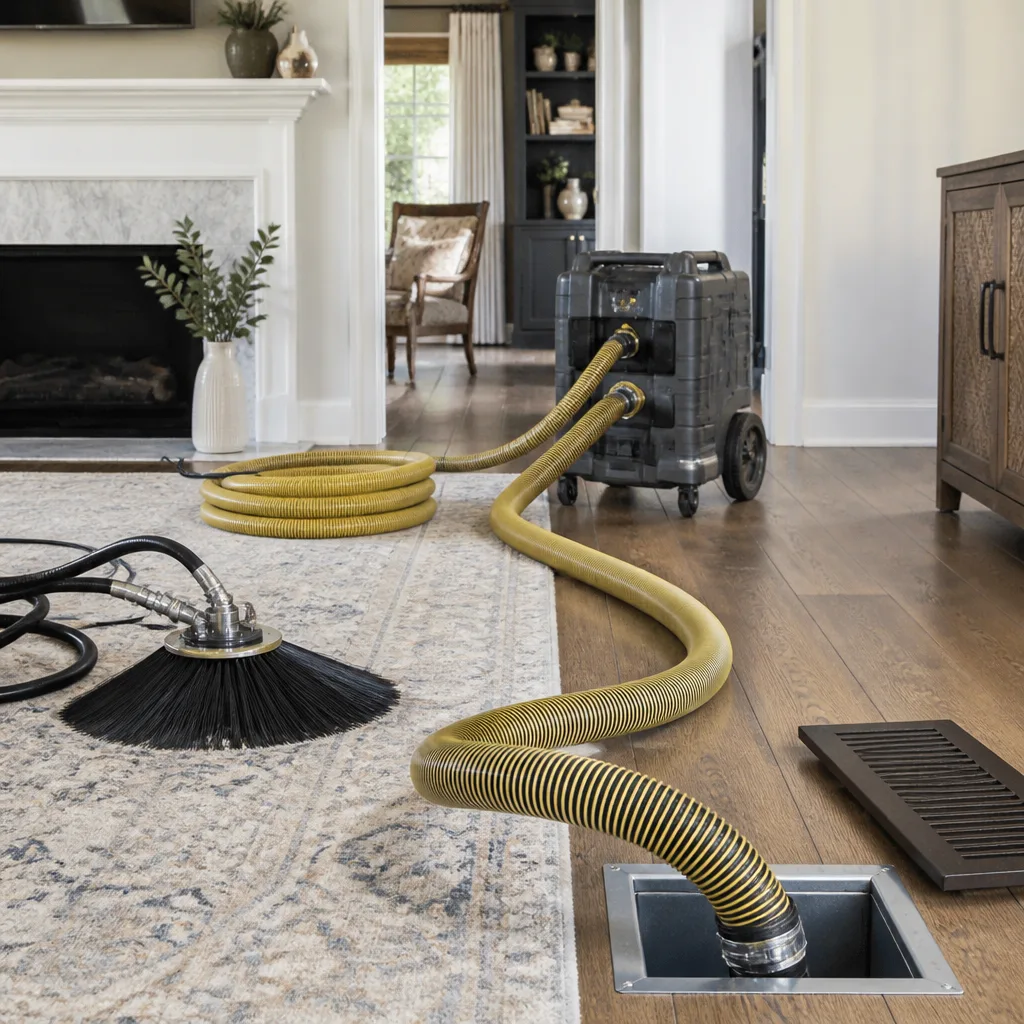 Whole-home duct cleaning
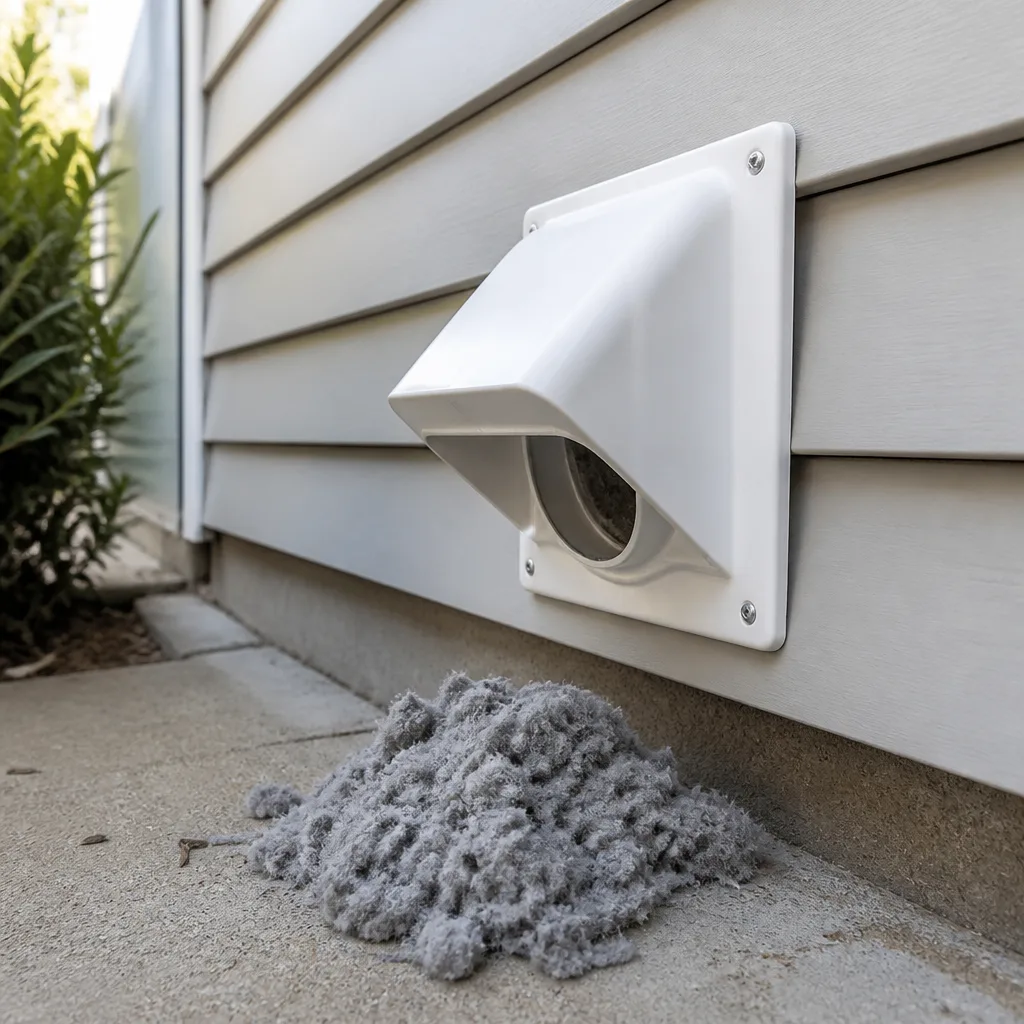 Dryer vent cleaning
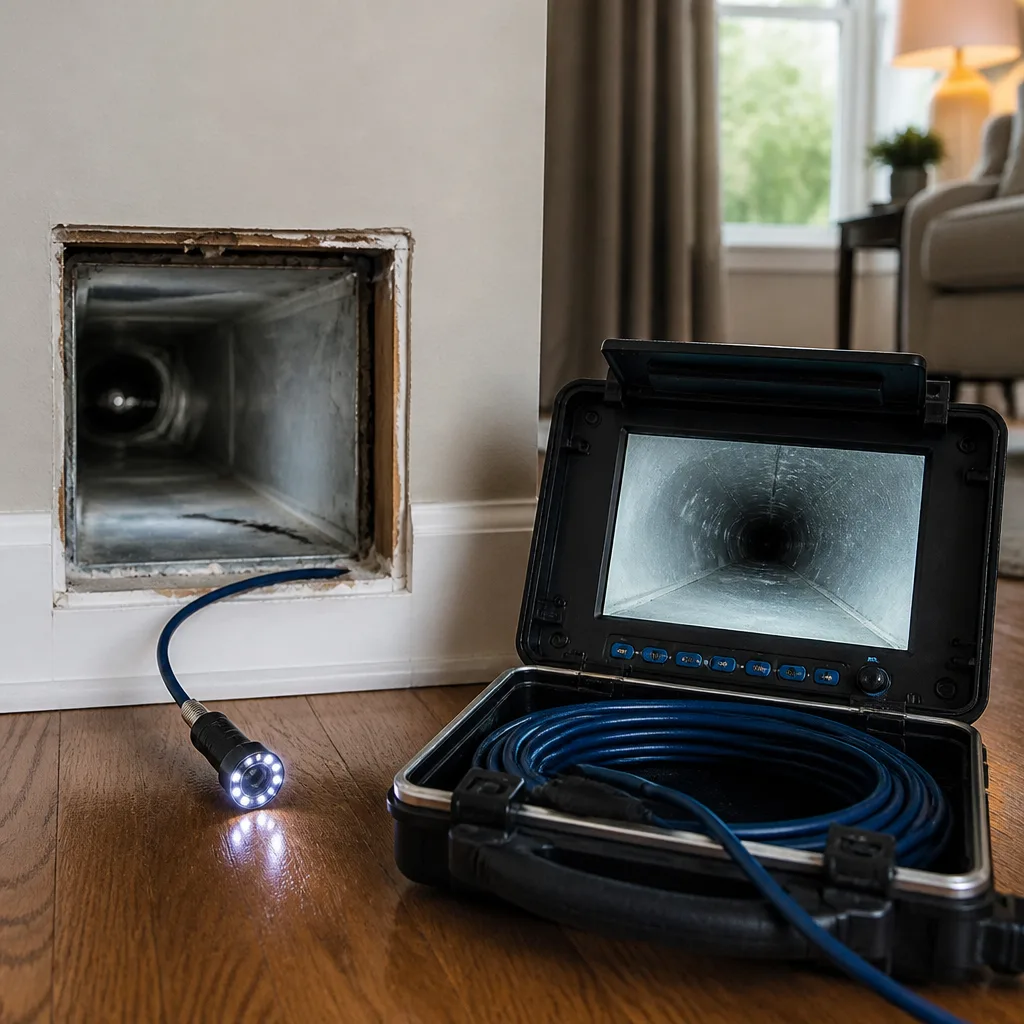 Camera inspection
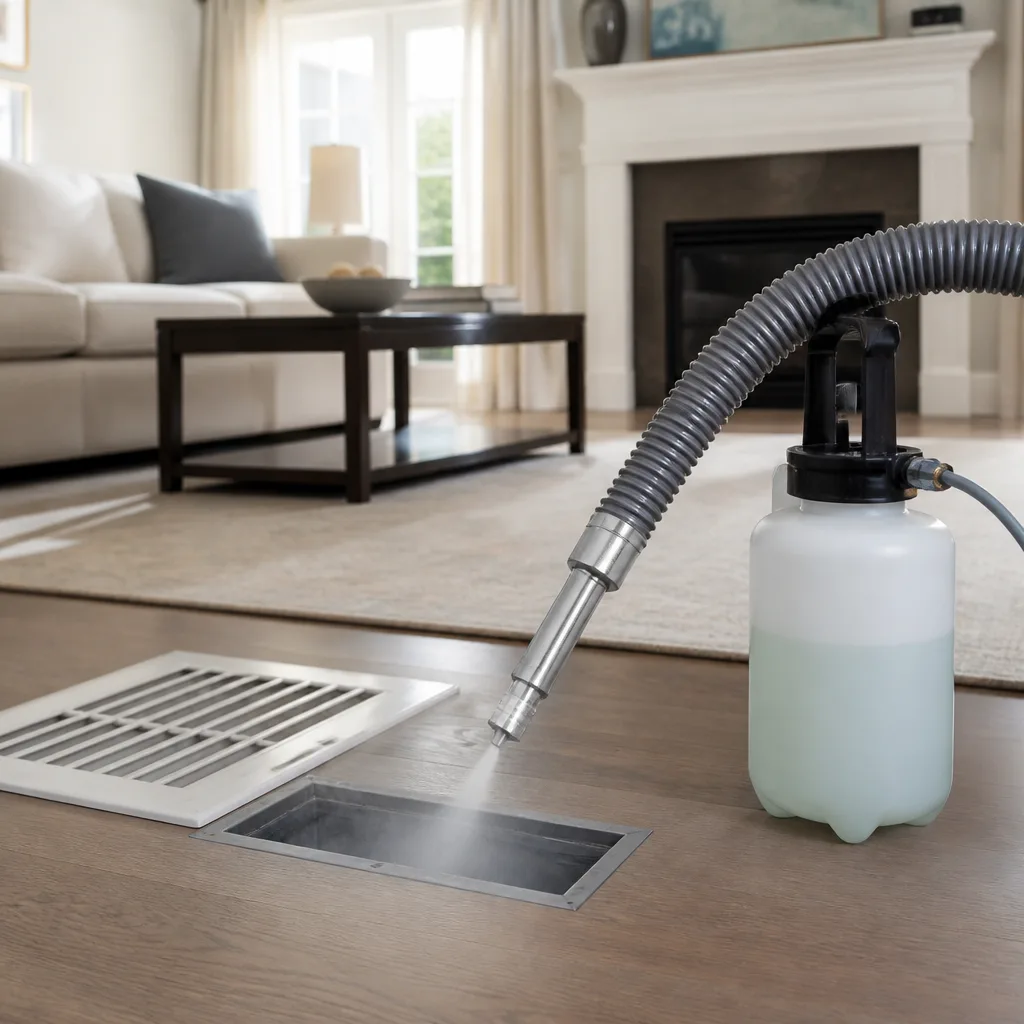 Sanitizing & deodorizing
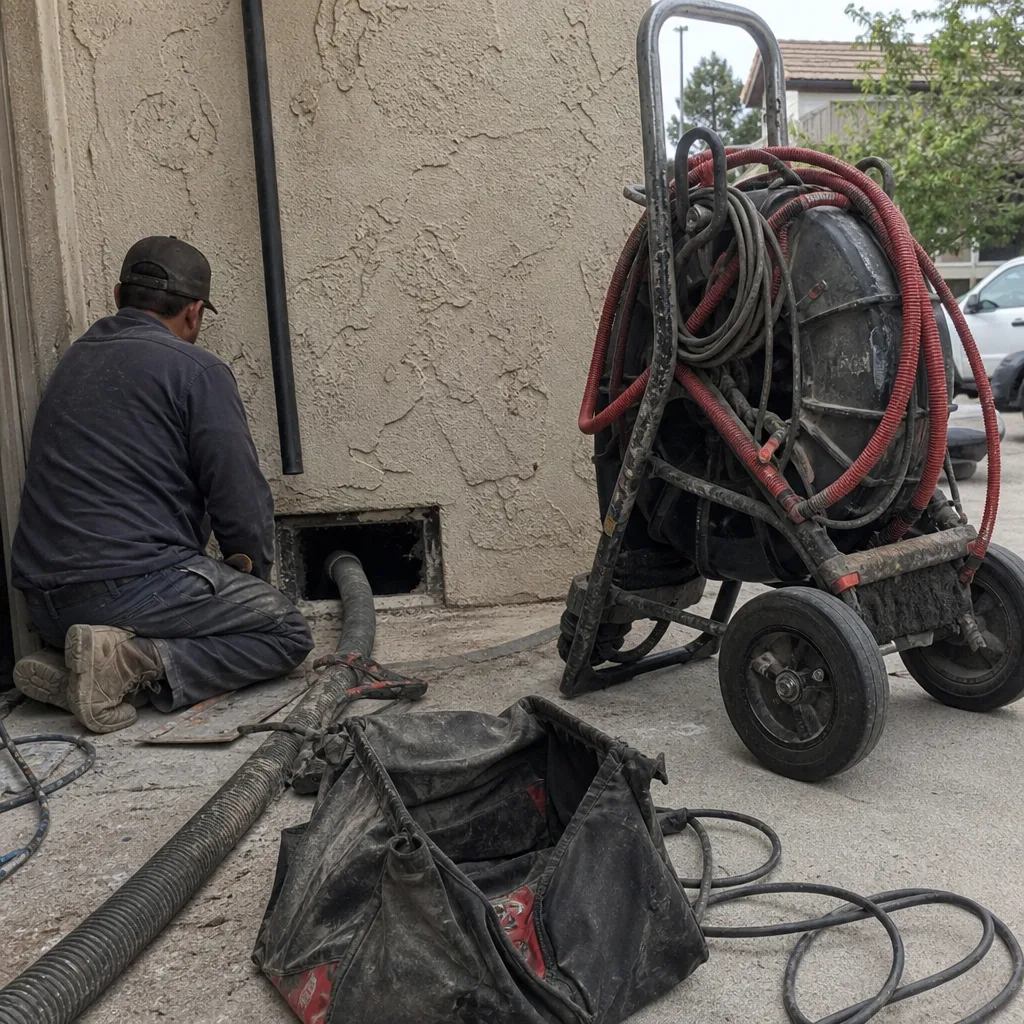
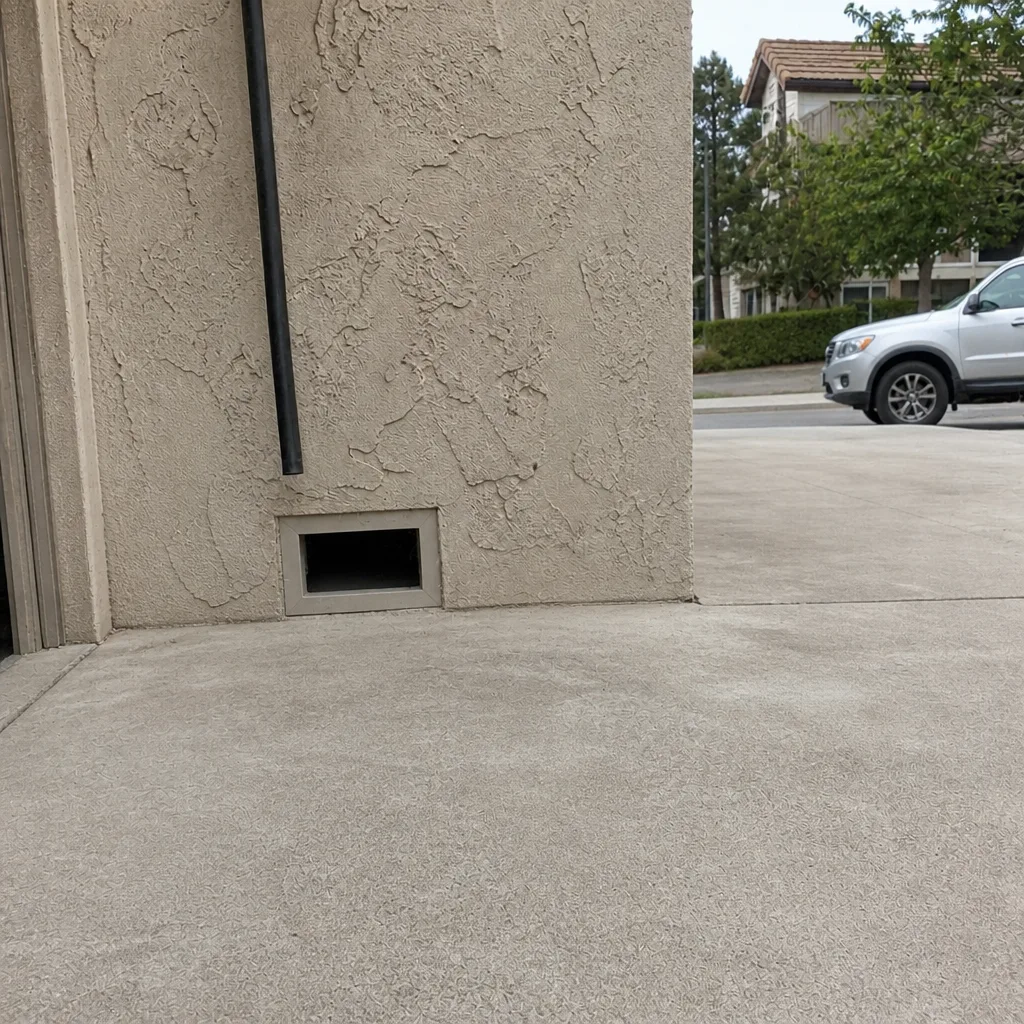
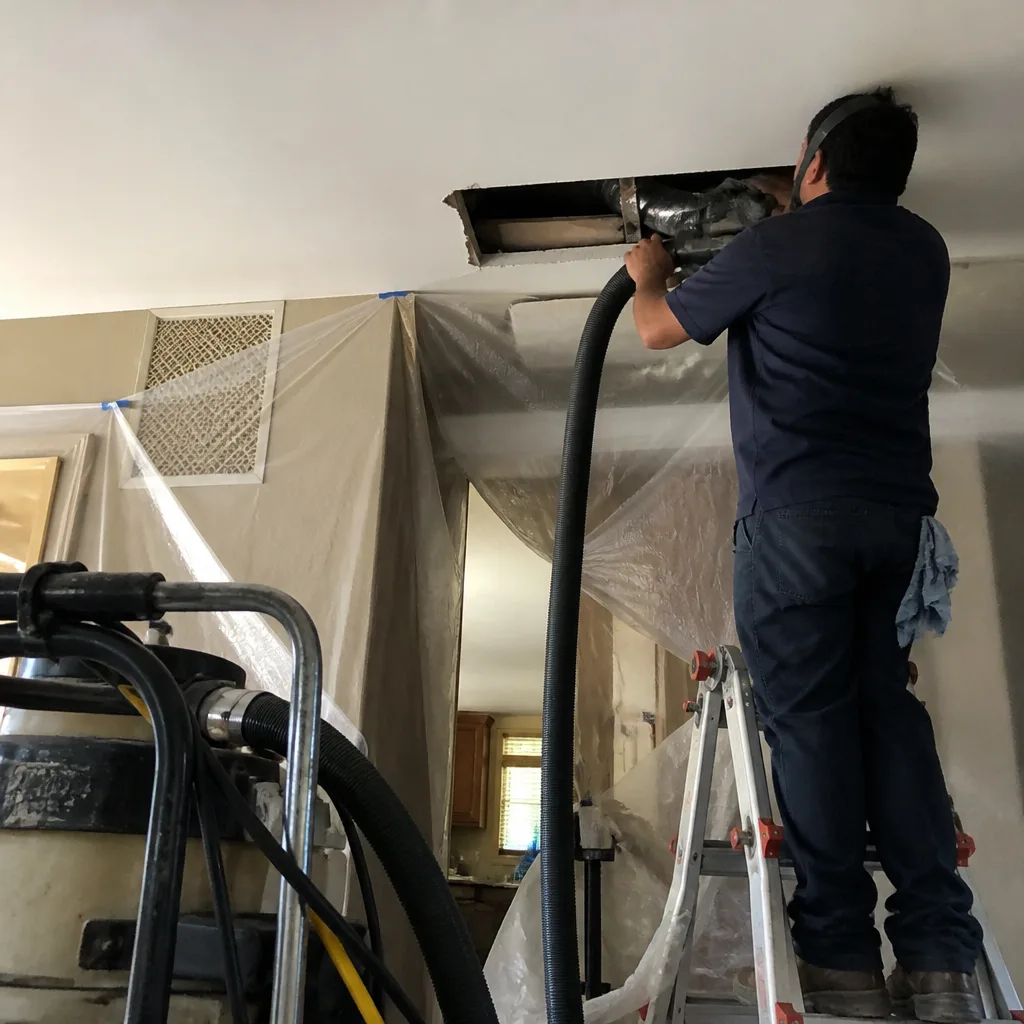
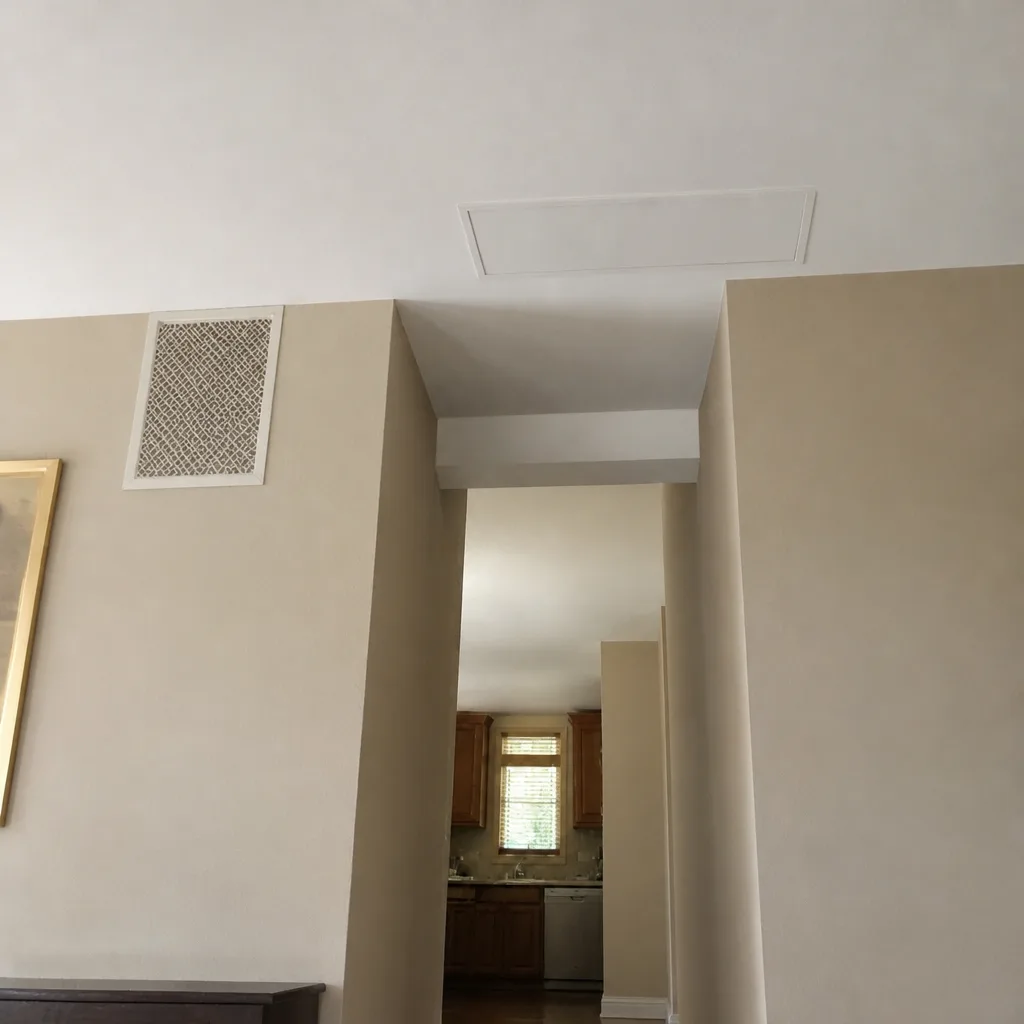
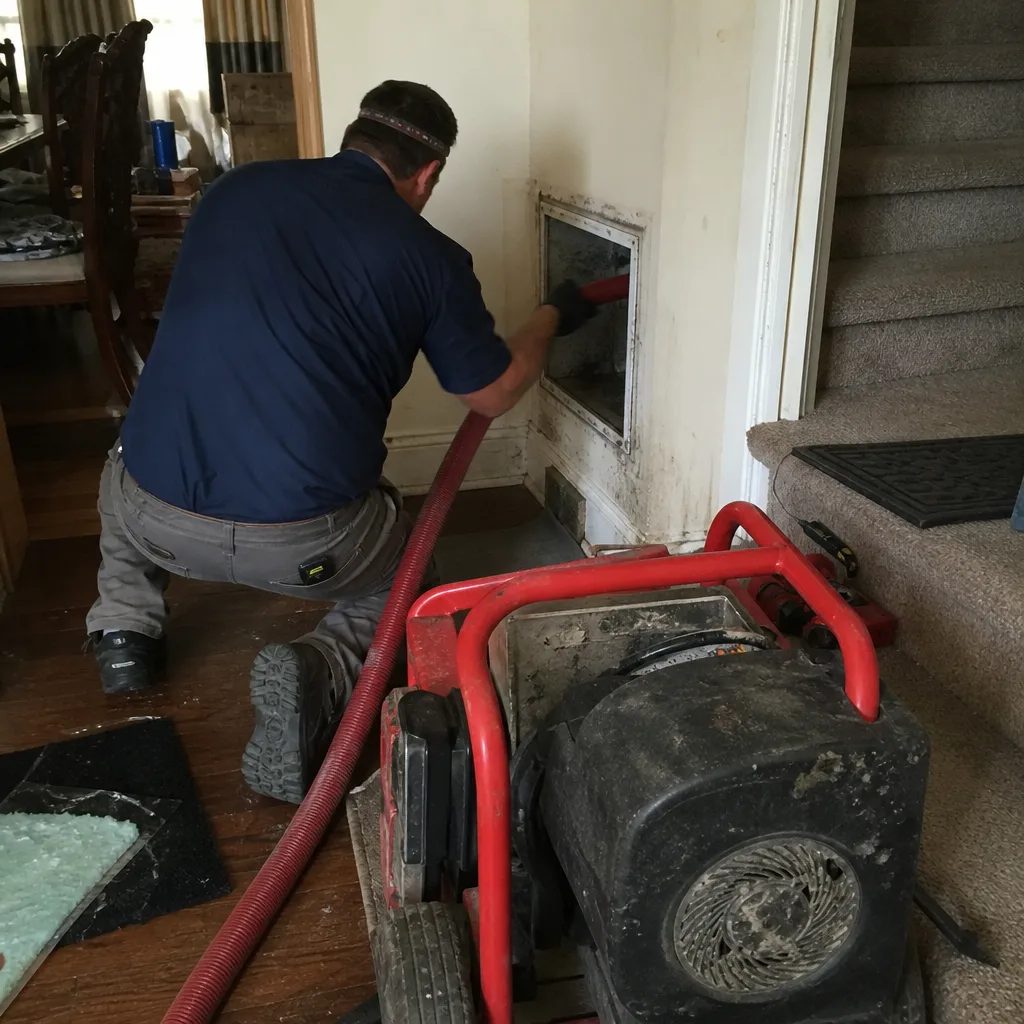
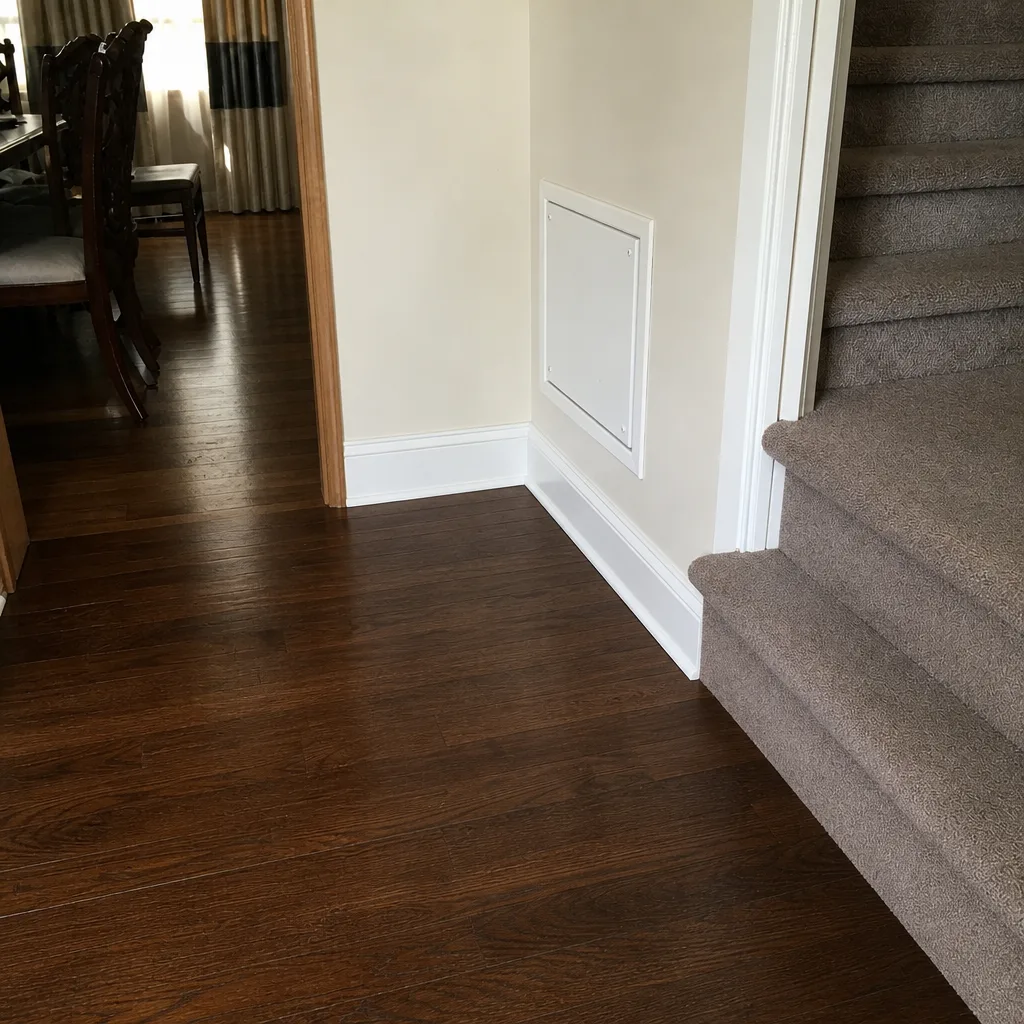
Whole-system duct and dryer vent check with before-and-after photos - you see exactly what came out of your vents
That "$99 whole-house special" is a bait ad - the real number appears once they are in your hallway, or the "clean" is a shop-vac at the register. We photograph the inside of your ducts before and after instead.
DIY vs Professional Air Duct Cleaning: The Yorba Linda Homeowner’s Decision Guide
Most homeowners who try cleaning their own ducts assume the job is about reaching into a register with a vacuum and pulling out whatever’s visible. That’s a reasonable assumption, and it’s also why so many DIY attempts end in frustration. The difference between your shop-vac and a professional duct cleaning system isn’t the size of the machine or the price tag – it’s the volume of air the equipment can move. A consumer vacuum at a register opening pulls roughly 50 CFM of suction. Professional equipment operates at 2,000 to 4,000 CFM. That gap is what separates debris removal from debris redistribution. This guide explains exactly where DIY effectiveness ends, what professional systems do differently, and how to decide which path makes sense for your Yorba Linda home.
Quick Answer
DIY air duct cleaning can address surface dust at register faces and visible debris at the nearest duct elbow, but it cannot generate the negative pressure needed to dislodge and capture debris from trunk lines, plenum sections, or the full duct pathway. Professional cleaning with equipment like Rotobrush rotary brush systems and Nikro extraction units creates a contained vacuum across the entire system, removing what DIY simply stirs up. For homes with allergies, older ductwork, or post-renovation dust in Yorba Linda, professional service delivers results DIY equipment physically cannot match.
Styles & brands we work with
- Whole-home duct cleaning
- Dryer vent cleaning
- Camera inspection
- Sanitizing & deodorizing
Table of Contents
- What DIY air duct cleaning actually accomplishes
- The negative pressure requirement explained
- When DIY is a reasonable interim step
- Rotobrush and Nikro versus consumer brush kits
- Risk scenarios unique to DIY attempts in Yorba Linda homes
- Why a full-system approach matters
- The hidden cost of getting it wrong
- Common mistakes to avoid
- When to call a professional
What DIY Air Duct Cleaning Actually Accomplishes
DIY duct cleaning has a real but narrow scope. It cleans what you can see and reach, and that’s about it. Understanding this boundary honestly helps you decide whether picking up a shop-vac is worth the afternoon.
Here’s what a homeowner with consumer gear can realistically do:
- Wipe down and vacuum the face of return and supply registers
- Pull visible lint and dust from the first few inches of the nearest duct elbow
- Remove debris from accessible floor vents using a shop-vac with a brush attachment
- Inspect and clean the immediate area around the air handler if it’s easy to reach
Now here’s where it stops working. The moment the duct bends out of sight, your equipment loses contact. That downward run from the second-floor hallway in a Yorba Linda two-story, the long horizontal trunk running through the attic, the plenum at the furnace – none of these are reachable with a consumer vacuum. The suction at the register opening drops sharply the further the vacuum is from the debris. You’re essentially cleaning the doorway while the hallway collects dust.
What many homeowners discover is that after a DIY session, the first few minutes of airflow feel better, then dust settles back into the same register faces within a week. That’s not a failure of effort. It’s a failure of physics. The debris in the trunk lines and plenum never moved because the equipment never reached it, and a portion of what loosened at the register openings was simply pushed deeper into the system rather than captured. This is the core limitation of consumer-grade DIY work, and it’s why the results tend to be cosmetic.
That doesn’t mean DIY is worthless. It means DIY is maintenance, not cleaning. The two are different jobs, and treating them as the same thing is where most homeowners get disappointed.
The Negative Pressure Requirement Explained
Professional duct cleaning works on a simple premise: put the entire duct system under negative pressure, then agitate debris from the inside so it’s captured before it can escape into the living space. If that sounds straightforward, the equipment needed to do it is not.
The negative pressure requirement exists because ducts aren’t a single straight pipe. They’re a branching tree – a trunk line feeding multiple runs, with elbows, transitions, and plenum sections at every turn. Debris collects in the low-velocity zones where airflow slows: horizontal runs, trunk line ends, and the plenum above the air handler. To move that debris, you need a vacuum connection that creates a pressure differential across the entire tree, not just at one register.
Here’s how professional service creates that differential:
- Insert a high-volume vacuum source at a strategic point in the system, usually through the air handler or a main return
- Seal openings so the pressure differential is contained to the ductwork
- Use rotary brush agitation and compressed air tools to loosen debris from duct walls
- Maintain continuous negative pressure so loosened material travels to the collection point rather than into the room
- Verify with before-and-after photos and visual inspection that the system has been cleared
The numbers matter here. A Rotobrush system paired with a Nikro extraction unit moves air at a rate many times higher than any consumer vacuum. That’s what allows the containment to hold while debris is being agitated. Without that volume, a brush loosens material but the vacuum behind it can’t keep up, so some of that dust ends up in the air your family breathes. In Yorba Linda homes with year-round air conditioning use, that debris accumulates steadily, and the case for containment becomes more important with every season.
This is also why professional technicians use Abatement Technologies filtration equipment during service – it contains particles at the work area and protects living spaces while the agitation is happening. Consumer setups have no equivalent.
When DIY Is a Reasonable Interim Step
We’re not going to tell you to never touch your own registers. There are real, sensible uses for light DIY work between professional cleanings. Knowing which tasks fall into that category keeps you from wasting effort on the ones that don’t.
These jobs are worth doing yourself:
- Post-filter-change debris removal. When you swap the filter, a small amount of dust and fiber often collects right at the filter slot and the return face. Wiping that down keeps it from getting pulled back into the system.
- Surface register cleaning. Vacuuming the face of supply and return registers with a brush attachment removes the visible dust that coats the grilles. Do this monthly during peak cooling season.
- Dryer vent disconnection inspection. You can pull the dryer away from the wall and inspect the point where the vent connects. If you see lint accumulation at the connection or the flexible duct looks crushed, that’s information worth having before you call for dryer vent cleaning. Don’t disconnect more than the immediate connection, and don’t run the dryer with the vent detached beyond a quick inspection.
- Air handler filter well cleaning. The cavity around the filter is often full of loose dust. A shop-vac handles that safely.
What doesn’t belong on that list: running a consumer vacuum down a supply register, using flexible brush kits on long horizontal runs, or trying to reach the plenum at the air handler. Those tasks need pressure you can’t generate, and they’re where DIY attempts tend to cause more problems than they solve.
For Yorba Linda homeowners dealing with Santa Ana wind season, a light DIY pass on the registers after a particularly dusty stretch makes sense. Those winds push fine dust into every crack the house has, and registers are the first line of defense. But that fine dust also works its way into the duct system, and that’s beyond what a shop-vac at the register can retrieve.
Rotobrush and Nikro Versus Consumer Brush Kits
The gap between professional duct cleaning equipment and consumer gear isn’t just about power. It’s about three factors that work together: brush RPM, bristle contact pressure, and simultaneous vacuum capture. Take away any one of the three and the cleaning becomes partial at best.
Consumer brush kits that attach to a drill or a shop-vac hose spin slowly and lose contact pressure the moment they hit a bend. The bristles soften against duct wall resistance, and there’s no meaningful vacuum behind them to capture what’s loosened. Many of these kits are designed for straight runs of a few feet, which doesn’t match how residential duct systems are actually built.
Rotobrush rotary brush systems are the industry standard for a reason. The brush heads spin at high RPM with controlled bristle pressure, which means they maintain wall contact through elbows and transitions. Behind the brush is a hose connected to a high-volume vacuum, so debris is captured as it’s loosened rather than after the fact. That simultaneous action is the whole point. A brush without capture just moves dust; a brush with capture removes it.
Nikro extraction equipment handles the other half. Commercial and residential specialists use Nikro systems because they hold sustained negative pressure at the required volume throughout a service. That sustained pressure is what keeps debris moving toward the collection point and out of your living space. Pairing Rotobrush agitation with Nikro extraction is the standard professional setup, and it’s why professional work reaches sections of the system that a DIY kit can’t touch.
Where does this matter most in Yorba Linda? Homes built in the 1970s and 1980s, common in several established neighborhoods, often have ductwork that’s been remodeled, extended, or patched over the years. That means transitions, mismatched duct sections, and long runs that consumer equipment can’t navigate. Rotary brush systems with vacuum capture can work those sections without dislodging the connections holding them together.
Risk Scenarios Unique to DIY Attempts in Yorba Linda Homes
Most DIY duct cleaning damage happens in the same three ways, and each is worth understanding before you decide to try it yourself.
Puncturing older flex duct. Flexible duct has a thin inner liner that’s easy to pierce with a stiff brush or the edge of a vacuum attachment. Once punctured, that duct leaks conditioned air into the attic or crawlspace and pulls unfiltered air into the airstream. Repairing it means accessing that section and sealing or replacing it, which is more involved than the original cleaning would have been.
Dislodging duct tape and mastic seals. Older duct systems in Yorba Linda are often sealed with tape or mastic at the joints. Aggressive agitation from a consumer brush or a vacuum head jammed against a joint can break those seals. Leaky joints mean dust pulled in from unconditioned spaces, higher energy bills, and an air quality problem that didn’t exist before the cleaning attempt. Duct repair and sealing is a real service for a reason, and we see the results of undoing DIY damage in homes across the city.
Pushing debris deeper into the system. This is the most common DIY outcome and the one most homeowners don’t notice right away. When there’s not enough capture volume behind the brush, loosened material travels further into the duct rather than out of it. That debris ends up in the plenum or at the far end of a trunk line, where future airflow pushes it back to the nearest register. The system looks cleaner for a week or two, then dust returns. Every professional service call in Yorba Linda that turns up debris packed into a plenum was, in our experience, often preceded by a home vacuum being run down a return.
None of this is meant to be alarmist. A careful homeowner working only at register faces and filter wells won’t cause damage. The risks show up when DIY gets ambitious and starts reaching into the system itself.
Why a Full-System Approach Matters
Air duct cleaning, done properly, isn’t a standalone task. It’s part of a pathway: the return draws air in, the filter catches some of it, the blower moves it, the supply ducts deliver it, and every dryer runs through a vent. Weakness at any point affects the whole system. That’s why we approach air duct cleaning as part of a broader full-system service that also covers HVAC cleaning, duct repair and sealing, and air quality and sanitizing.
The cleaning-only operators that show up with a shop-vac equivalent miss this entirely. They clean the ducts and leave leaking joints, damaged flex sections, and microbial buildup untouched. Three months later the homeowner calls again because the same dust is back. The full-system approach addresses the cause, not just the symptom.
That translates to specific capabilities:
- HVAC cleaning to address the coil, blower, and air handler cabinet where dust and microbial growth collect
- Duct repair and sealing to close leaks identified during cleaning, which most duct-cleaning-only companies don’t offer
- Sanitizing treatments using Guardsman-grade products to address allergens, mold spores, and microbial buildup beyond what mechanical cleaning removes
- Air quality products from Honeywell and Aprilaire for whole-home filtration and purification when the situation calls for more than cleaning
For Yorba Linda homeowners dealing with family allergies or a recent HVAC repair, that integrated approach matters. Removing dust from the ducts doesn’t do much if the HVAC system reintroduces it on the next cooling cycle. The full-system view catches that.
The Hidden Cost of Getting It Wrong
DIY looks cheaper on the front end. The real cost shows up later, in the form of repeated cleaning attempts, damage repairs, and the air quality problems that never quite resolve. Understanding where those costs hide makes the comparison more honest.
Start with the equipment you have to buy to attempt DIY cleaning. A shop-vac with a HEPA filter, a brush attachment kit, and a flexible brush designed for duct work together run a couple hundred dollars at retail. That’s a real cost for a tool that can’t reach most of your system. Then add the cost of the second attempt when the first one doesn’t stick, because consumer-grade equipment simply doesn’t deliver the results homeowners expect.
Add the repair side. A punctured flex duct section needs access, replacement, and re-sealing. Dislodged mastic at a joint means sealing that connection properly. Debris packed into a plenum means the next professional cleaning runs longer and more involved than it would have. Those aren’t hypothetical – duct repair and sealing is one of the services we offer precisely because DIY attempts and aging ductwork both create the same kind of damage. If you want a sense of what proper service covers, our page on HVAC cleaning walks through the parts of the system duct-only services leave behind.
The other hidden cost is the one that’s hardest to measure: the debris you didn’t remove keeps cycling through the air your family breathes. In Yorba Linda, where cooling season runs long and the windows stay closed for months at a time, that recycled debris is the air in your home. Professional cleaning done right once costs less than repeated DIY attempts that never solve the underlying problem.
Common Mistakes to Avoid
- Running a shop-vac down a supply register. The suction loses effectiveness within a few inches and can dislodge duct tape or mastic at nearby joints. It doesn’t reach the trunk lines anyway.
- Using a stiff consumer brush on flex duct. Older flex duct in Yorba Linda homes can puncture easily. Once the inner liner is compromised, the duct leaks and pulls in unfiltered attic air.
- Assuming visible dust at registers means the system is dirty. Register faces get dusty from room air, not just duct air. That visible dust doesn’t tell you what’s happening in the trunk lines.
- Cleaning only the ducts and ignoring the dryer vent. The dryer vent is part of the same air pathway and a genuine fire hazard when lint accumulates. It deserves attention every bit as much as the HVAC ducts.
- Skipping sanitizing when there’s a mold or moisture question. Mechanical cleaning removes debris but doesn’t necessarily address microbial growth on duct surfaces. If you smell mustiness when the system runs, sanitizing with Guardsman-grade products is a real solution, and it’s something a shop-vac cannot duplicate.
- Trusting a quote that changes dramatically on site. This industry has a bait-and-switch reputation for a reason. Ask for a flat price per system in writing before any work begins, and ask for before-and-after photos of your own ducts.
- Ignoring duct leakage after a cleaning. Cleaning dirty ducts without addressing leaks means the system will just get dirty again. Duct repair and sealing should be part of a complete service, not an add-on afterthought.
When to Call a Professional
Some situations are clearly professional territory. If anyone in your Yorba Linda home deals with allergies, asthma, or other respiratory sensitivity, DIY cleaning risks pushing debris into the air rather than removing it. If your HVAC system was recently replaced or repaired and the ducts were exposed during that work, professional service with containment equipment addresses the construction dust left behind. If you’ve recently completed a major renovation in your Yorba Linda home, the drywall dust and debris that settled in the ductwork is beyond what consumer equipment can capture. Older homes with flex duct or visible seal damage need a technician’s eye before anyone starts agitating the system. And any time you smell mustiness when the system turns on, sanitizing should be part of the conversation.
Yorba Linda Air Duct Cleaning Pros offers free estimates in Yorba Linda. Call (877) 523-5624. We answer 24/7. Fast dispatch from 7am to 7pm, Sunday through Friday. We use professional-grade Rotobrush and Nikro equipment, provide one flat price per system agreed before work starts, and give you before-and-after photos of your own ducts so you know exactly what was done.
See the difference
 Before
 After
 Before
 After
 Before
 After
Frequently Asked Questions
Professional air duct cleaning in Yorba Linda typically runs into the hundreds of dollars for a whole-home system, with the exact figure depending on the number of registers, the layout of the ductwork, and whether repair or sanitizing is needed. We don’t quote per vent – the price is set per system by a written estimate. Call (877) 523-5624 for an exact quote; estimates are free.
Cheap quotes usually mean cheaper equipment – often a shop-vac rather than a Nikro extraction unit – and often a low teaser price that expands once the technician is on site. Ask for a flat price per system in writing before any work begins, and ask what equipment will be used. If those two answers are vague, that tells you something. Call (877) 523-5624 for a straight estimate.
Ask for before-and-after photos of your own ducts, taken during the service. Professional cleaning with Rotobrush and Nikro equipment also gives visible evidence at the air handler and register outputs. Reputable local pros will show you what was removed, not just what they charged. Call (877) 523-5624 to schedule an estimate.
For most Yorba Linda homes, professional cleaning every few years is reasonable, and more often if you have pets, allergies, or have recently renovated. Homes with ongoing construction nearby may benefit from more frequent service. The honest answer is: check what’s coming out at your registers and what your filter looks like between changes. Call (877) 523-5624 for a free assessment; the written estimate sets the final price.
Yes, it can. Agitating duct dust with consumer equipment doesn’t remove the material – it puts some of it into the air your system circulates. For a Yorba Linda homeowner with respiratory sensitivity, professional service with containment equipment from Abatement Technologies is the safer approach. Call (877) 523-5624 to talk through your situation – estimates are free.
Yorba Linda’s long cooling season and closed-window months mean ducts stay in heavy use for much of the year, and the Santa Ana winds bring fine dust that works its way indoors. That puts more load on your system and filter than a milder climate would. It’s one reason we suggest checking filter condition monthly during the cooling season. Call (877) 523-5624 if you’re unsure whether your system is due. Learn more about Yorba Linda Air Duct Cleaning Pros and what our service covers.
The Bottom Line
DIY air duct cleaning reaches register faces and the nearest duct elbow. It doesn’t reach trunk lines, plenums, or the far ends of your duct system because consumer equipment can’t generate the negative pressure required. Professional service with Rotobrush and Nikro equipment does reach those sections, with containment from Abatement Technologies and Air Quality capability backed by Honeywell and Aprilaire products. For Yorba Linda homeowners dealing with allergies, older ductwork, or post-renovation dust, the investment in professional service often turns out to be the cheaper option once you count the cost of repeat attempts and damage repair.
Have a Question About Your Ducts? Call Us
If you’re not sure whether your home needs professional cleaning or just a register wipe-down, we’re glad to talk it through. Call (877) 523-5624 for a free estimate. We answer 24/7. Fast dispatch from 7am to 7pm, Sunday through Friday. One flat price per system, agreed before work starts, with before-and-after photos so you know the work was done.
Written by the team at Yorba Linda Air Duct Cleaning Pros.