
Last updated November 25, 2026
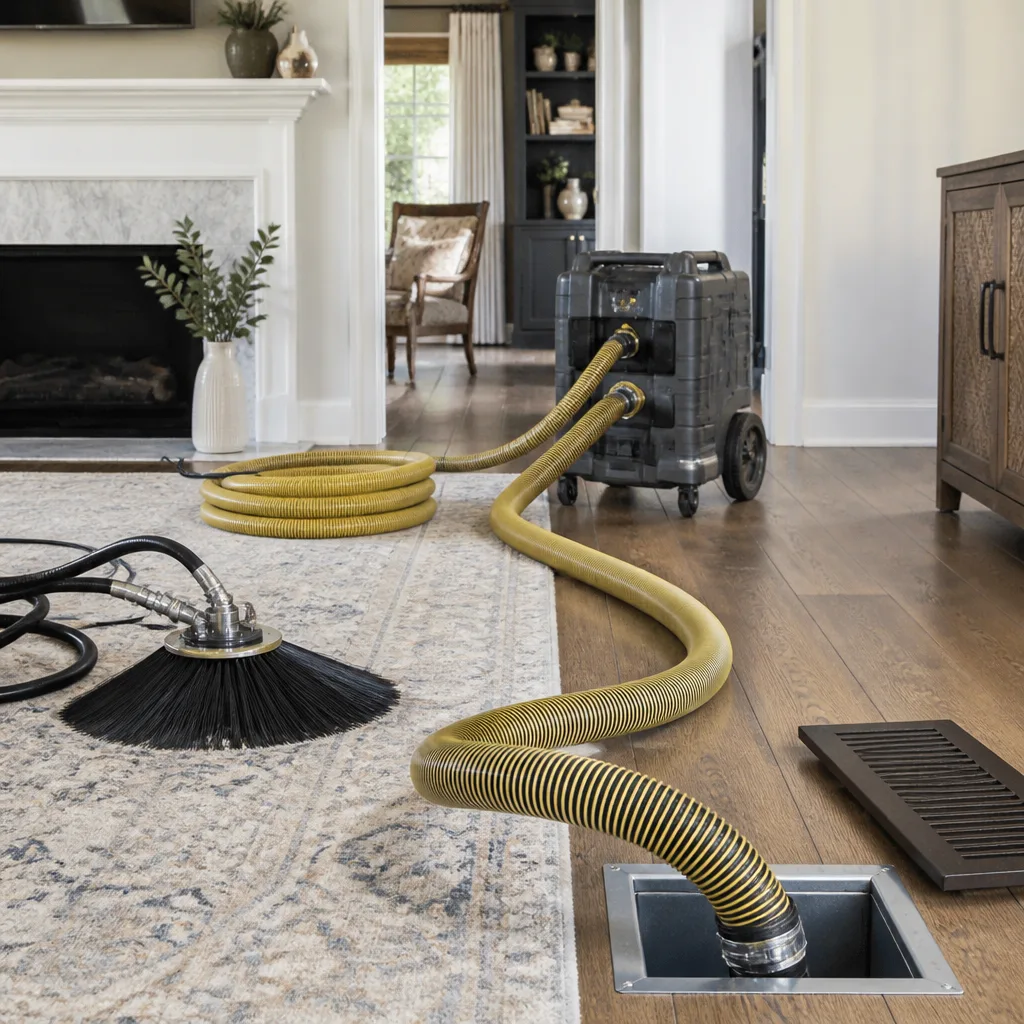 Whole-home duct cleaning
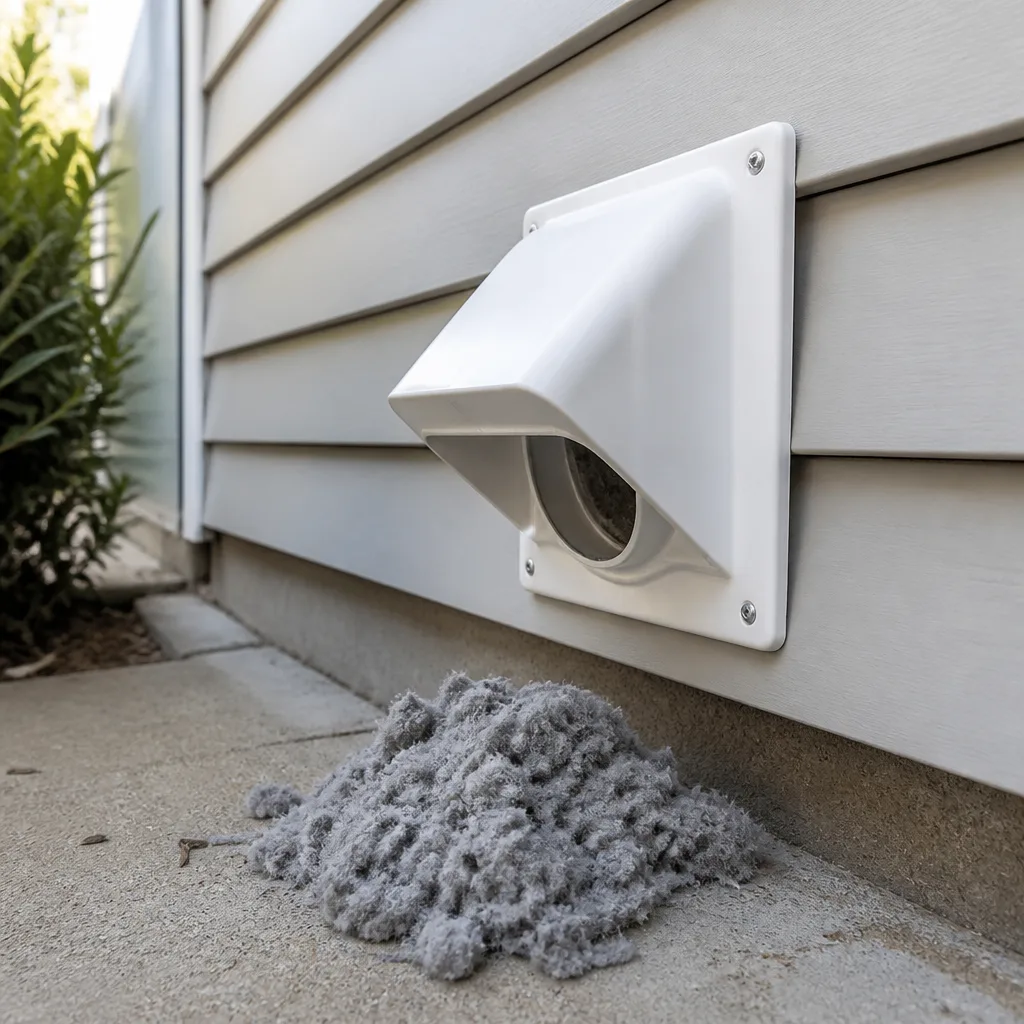 Dryer vent cleaning
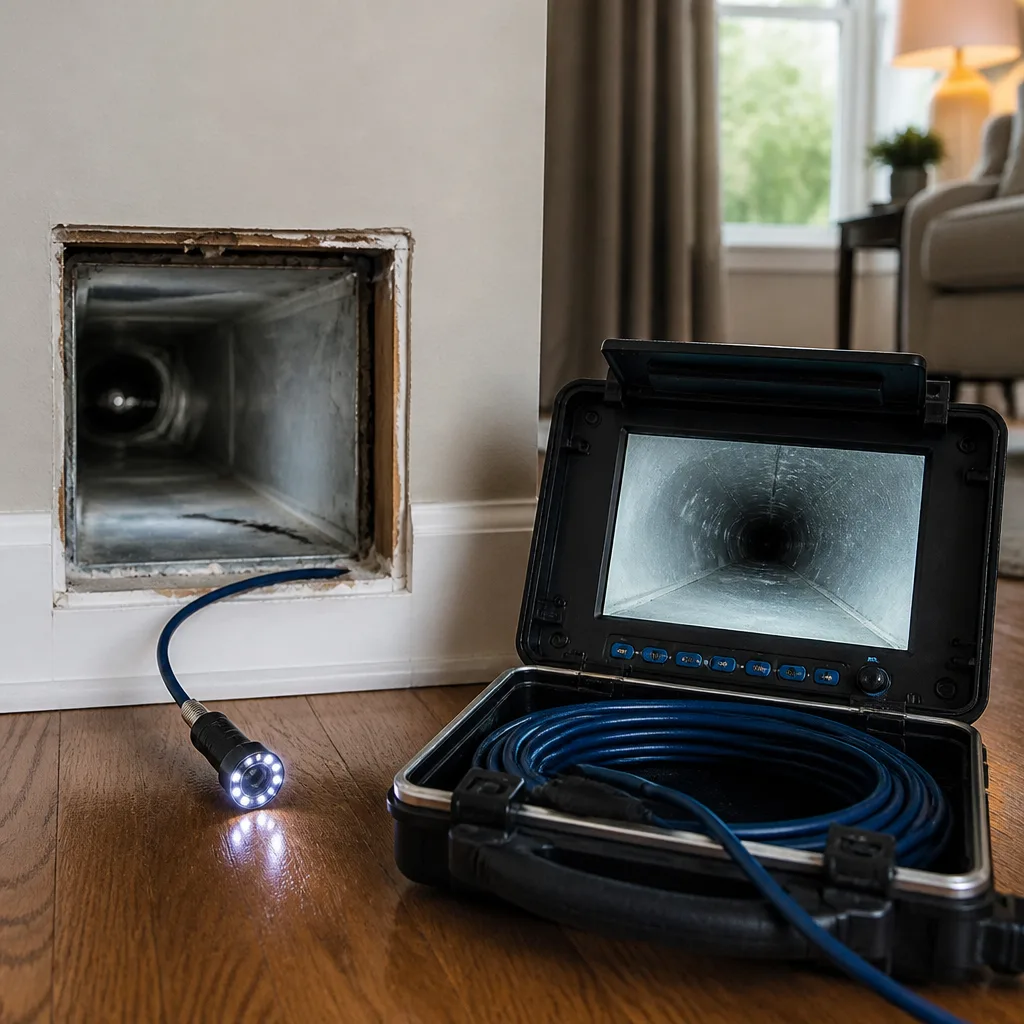 Camera inspection
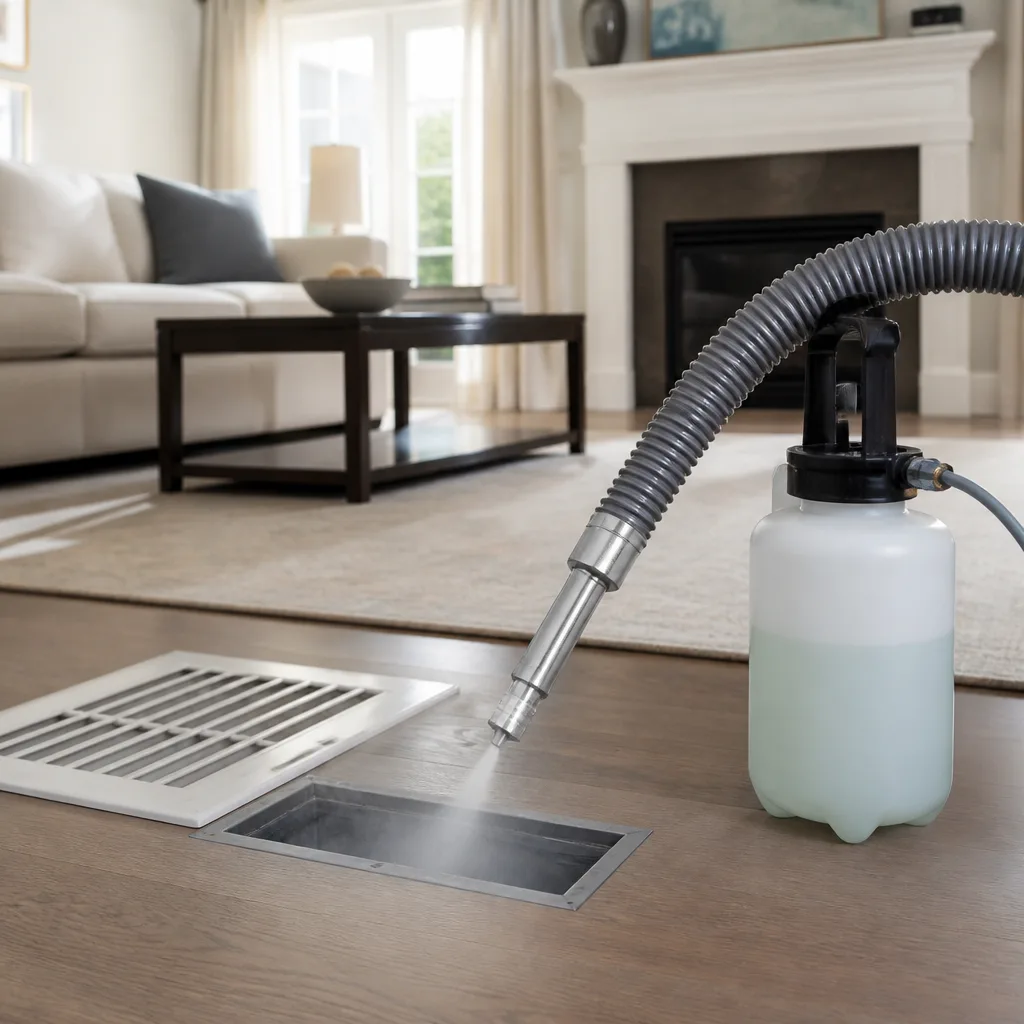 Sanitizing & deodorizing
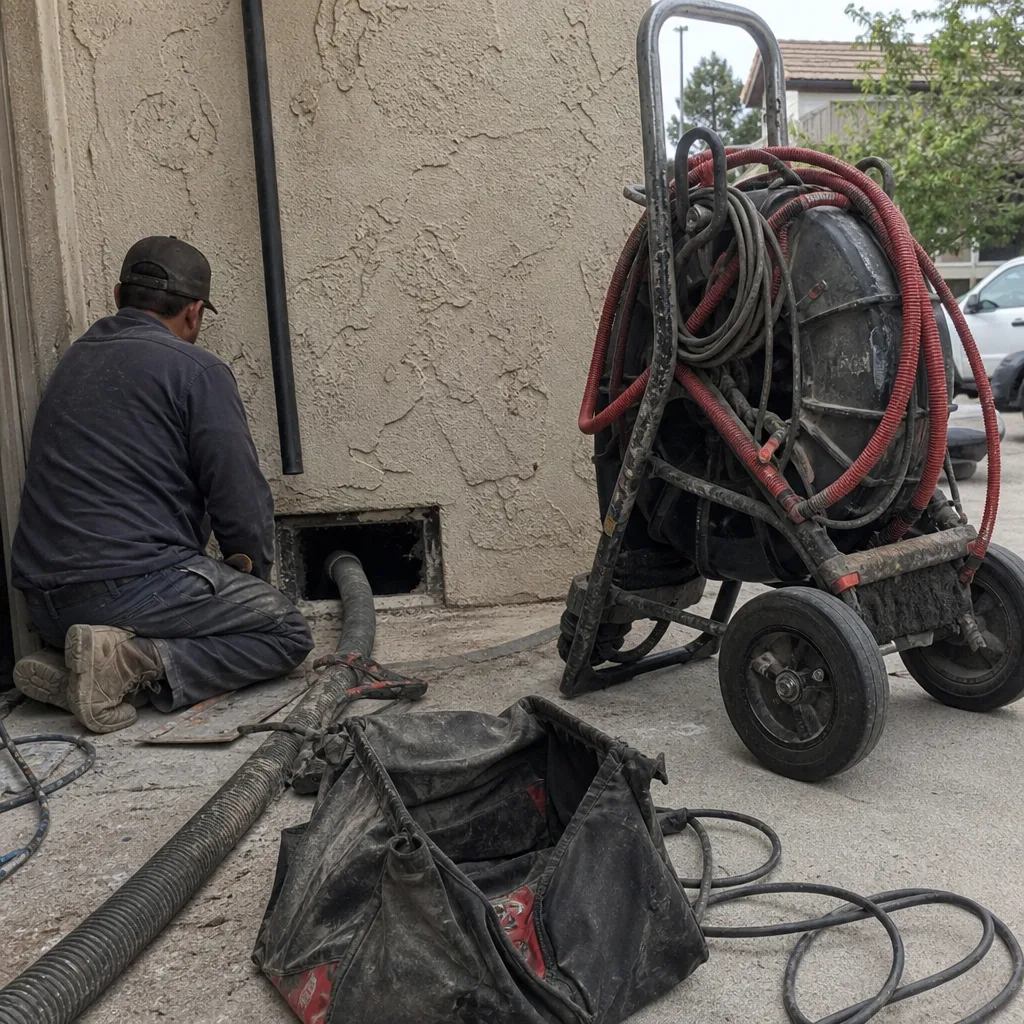
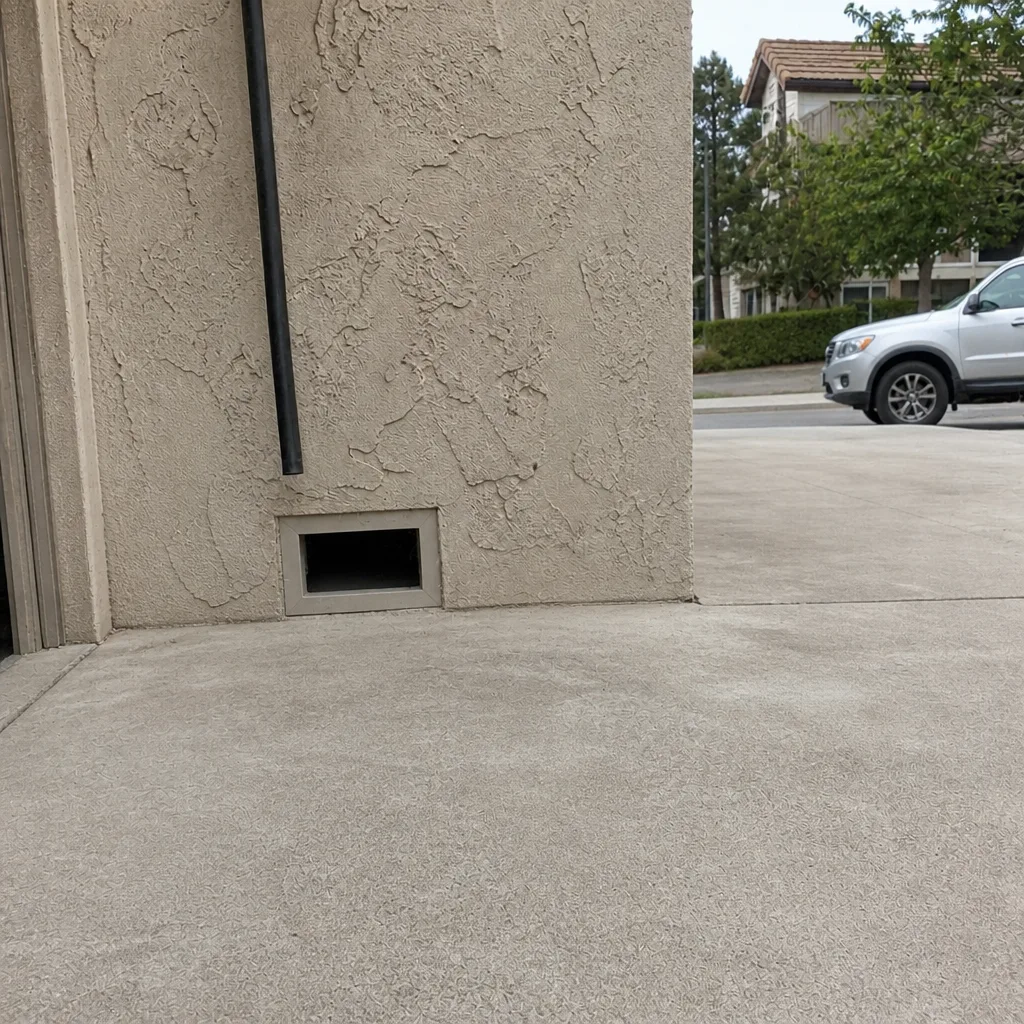
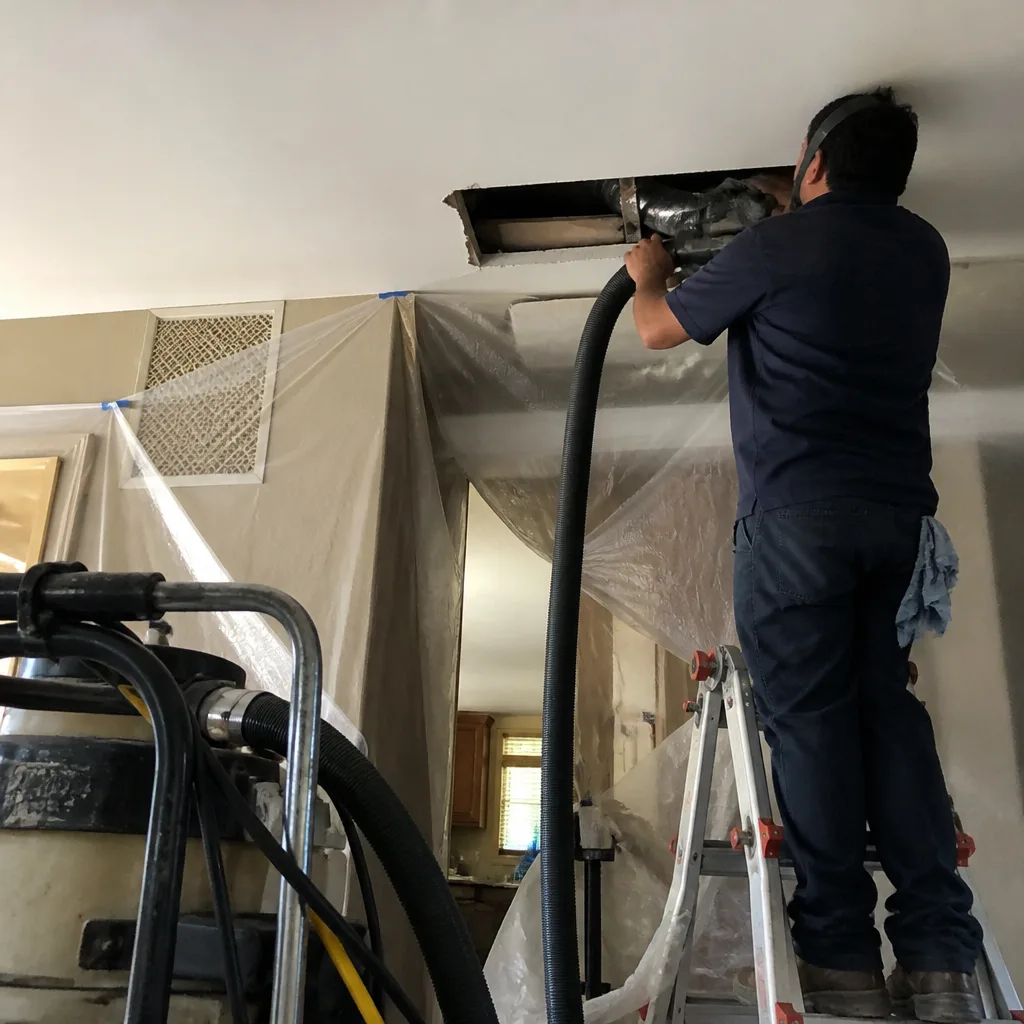
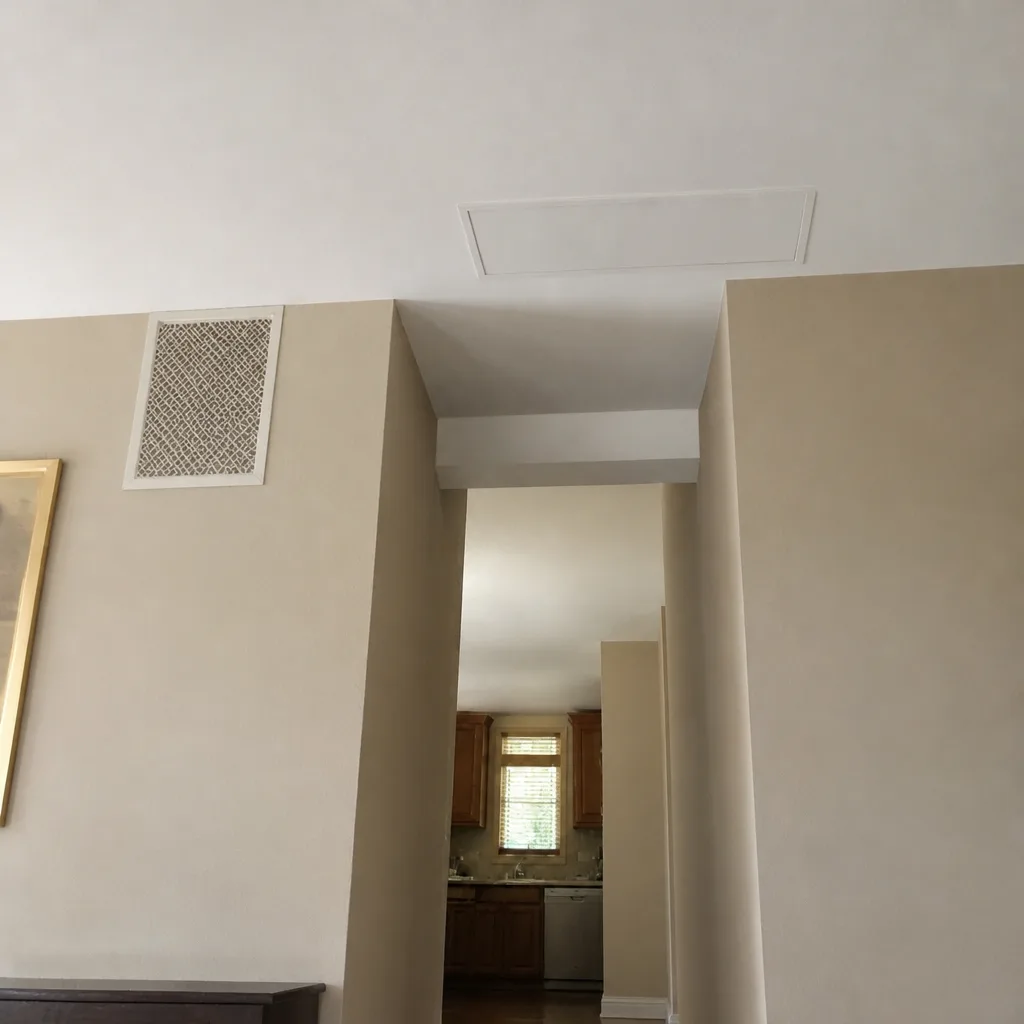
Whole-system duct and dryer vent check with before-and-after photos - you see exactly what came out of your vents
That "$99 whole-house special" is a bait ad - the real number appears once they are in your hallway, or the "clean" is a shop-vac at the register. We photograph the inside of your ducts before and after instead.
Seasonal Air Duct Cleaning Care for Yorba Linda: Year-Round Homeowner’s Guide
Most homeowners treat duct cleaning as a number on a calendar: every three to five years, book it, forget it. That schedule ignores what actually happens inside a duct system in Yorba Linda, where the air changes character four times a year. Spring fills return air with tree pollen from mature residential landscaping. Summer runs the AC long enough to keep an evaporator coil damp for months. Fall brings Santa Ana winds that can load a duct system with more particulate in 72 hours than the previous six months combined. Winter draws wildfire smoke fine enough to slip past standard filters. This guide walks through each season, what it does to your ducts, and how to set a cleaning schedule that follows real conditions instead of a generic average.
Quick Answer
Air ducts in Yorba Linda don’t need cleaning on a fixed three-to-five-year clock. They need it on a contamination timeline driven by local seasons: heavy spring pollen, long summer cooling runs that feed coil moisture, October Santa Ana wind events, and winter wildfire smoke. Watch your filters, your registers, and your coil condition after each of those events, and clean when the evidence says to, usually somewhere between annual and every four years depending on your home.
Styles & brands we work with
- Whole-home duct cleaning
- Dryer vent cleaning
- Camera inspection
- Sanitizing & deodorizing
Table of Contents
- Spring in Yorba Linda: Pollen, Return Air, and Coil Surfaces
- Summer Heat Stress: Why Long AC Runs Grow Microbial Growth
- Fall Santa Ana Winds: Recirculate, Inspect, and Decide
- Winter Wildfire Smoke and PM2.5: What Filters Catch and What They Miss
- How to Set Your Cleaning Frequency Around Real Conditions
- A Seasonal Inspection Routine You Can Do Yourself
- Leaky Ducts Undo Clean Air: Why Sealing Matters
- Frequently Asked Questions
Spring in Yorba Linda: Pollen, Return Air, and Coil Surfaces
Yorba Linda’s established residential landscaping is one of the reasons spring is the heaviest particulate season of the year for a duct system. Mature trees, hedges, and ground cover pump out pollen for weeks, and the return air side of your HVAC system is the quiet collector. Every time the blower runs, it pulls air from the living space through the return grille and into the ductwork. Whatever particulate is airborne gets a chance to settle on duct walls, on the filter face, and downstream on the evaporator coil.
Filters catch the coarse material. The fine fraction, along with pollen that bypasses a loosely fitted filter, reaches the coil. Once it’s there, it stays wet during cooling season and becomes a surface that holds moisture and organic material. That’s the setup for microbial growth later in summer, so spring contamination is really a summer problem in waiting.
What to watch as spring progresses:
- Filter loading speed. If a filter that normally lasts months is visibly gray or clogged in weeks, the return air is carrying a heavy pollen load.
- Return grille dust. A soft film on the return grille is normal. A visible mat or fuzz means the system is pulling more material than the filter can handle.
- Register streaking. Dark trails around supply registers suggest fine dust moving through the ducts and being pushed out at the vents.
- Coil access door. If you can safely view the coil (many homes have an access panel), a light dusting that turns into a mat by late spring signals coil cleaning is due.
Spring is also when many Yorba Linda homeowners schedule their annual air duct cleaning, because cleaning before the heavy cooling season means the system starts summer with a clean pathway and a clean coil. That timing makes sense for homes with heavy landscaping or pets.
Summer Heat Stress: Why Long AC Runs Grow Microbial Growth
The Yorba Linda cooling season runs the system hard. Ten or more hours a day of operation is normal in the warmer months, and that changes what’s happening on the evaporator coil. The coil is cold and wet whenever the system is cooling, and moisture accumulates on it continuously. In a short cooling cycle, that moisture drains away between runs. In a long run, the coil stays saturated for hours. Add spring pollen and dust that collected on the coil, and you have the conditions for microbial growth: damp, organic, and warm on the other side of the coil.
Once growth establishes on the coil and the adjacent duct surfaces, standard mechanical cleaning removes debris but doesn’t address the biological layer. That’s why sanitizing belongs in the summer care picture. We use Guardsman-grade sanitizing products to treat the air system at the microbial level after the mechanical work is done, which is a different step than debris removal. It’s the difference between a clean-looking duct and a treated one.
Signs that summer conditions in your Yorba Linda home have moved past “normal”:
- Musty odor when the AC starts. A brief smell at startup is common. A persistent musty smell through the cooling cycle points to coil or duct growth.
- Visible moisture or algae at the condensate pan. The pan should drain freely. Standing water or a slimy film is a growth indicator.
- Increased allergy symptoms indoors in July and August. If symptoms track the cooling season and improve when you’re away from home, the air system is a reasonable suspect.
- Ice or frost on the coil or refrigerant lines. This one is not a cleaning issue; it’s a service issue. Shut the system down and call an HVAC technician.
Mid-summer is also when duct leaks hurt most. A leaky return or supply duct in an unconditioned attic pulls hot attic air and insulation fibers into the system and pushes conditioned air out. That’s a repair problem, not a cleaning problem, and we handle it as part of the same visit through our duct repair and sealing service. If you’re weighing whether the leaks are worth fixing first, HVAC cleaning and a sealing inspection usually go together.
Fall Santa Ana Winds: Recirculate, Inspect, and Decide
The October Santa Ana wind events are the reason a fixed cleaning schedule fails in Yorba Linda. These events push dry, particulate-heavy air through the region and into homes, and a single wind event can deposit more material into a duct system in 72 hours than the previous six months combined. Some of that material comes in through open windows. Some comes in through the return air system itself, because most forced-air systems are not airtight and the blower pulls air from wherever it can.
What to do during a wind event
- Close windows and exterior doors before the winds arrive.
- Run the system on recirculate if your thermostat offers a fan-only or recirculate mode. Recirculating air through the filter reduces the amount of unfiltered outdoor air entering the living space.
- Keep the system fan running on low if your thermostat allows it, so the filter is continuously intercepting particulate rather than letting it settle.
- Change or check the filter as soon as the event passes. Some filters will be visibly loaded after a strong event.
What to inspect after a wind event
- Return grille and filter face for visible loading.
- Supply registers for dust trails or darkening on the ceiling around the vent.
- Windowsills and horizontal surfaces for fine dust that tells you the envelope was breached.
- Odor from the supply registers when the system runs. Smoke and dust odors that persist past a few days suggest the system needs attention.
The post-event cleaning threshold
Not every wind event triggers a duct cleaning. A single moderate event with a well-sealed home and a decent filter usually means a filter change and a vacuuming of surfaces. Cleaning becomes the sensible call when a severe event hits an older home, when filters load visibly within days, when odors persist, or when two or more strong events occur in the same season. In those cases, a post-event professional inspection is faster and more accurate than guessing. Our Yorba Linda Air Duct Cleaning Pros team uses Abatement Technologies filtration equipment during service to contain debris and protect the living space, which matters most right after a heavy wind event when the ducts are loaded.
Winter Wildfire Smoke and PM2.5: What Filters Catch and What They Miss
Winter in Yorba Linda is mild, but it’s also when wildfire smoke from regional fires can settle into the area. Smoke particles in the fine range, often called PM2.5, are small enough to pass through standard filters and small enough to stay airborne for long periods. A standard pleated filter catches a meaningful fraction of larger smoke particles, but the fine fraction slips past and settles in the duct system, on the coil, and on interior surfaces.
What that means practically:
- A standard filter helps but is not a smoke barrier. It reduces the load but doesn’t eliminate fine-particle entry.
- Smoke odor inside the home that persists past the event is a signal that fine particulate has settled in the system and on soft surfaces.
- Visibly gray residue on registers or grilles after a smoke event is direct evidence that particulate reached the supply side.
When to escalate to a professional inspection after a smoke event:
- Odor persists more than a week after outdoor air quality has returned to normal.
- Anyone in the home has asthma, allergies, or other respiratory sensitivity, and symptoms track the event.
- Registers or grilles show visible residue.
- Your system has a filter bypass or an older duct system with known leaks.
- You’ve had multiple smoke events in the same season and haven’t opened the system for inspection.
If your home has a high-efficiency filter cabinet or you’re considering an upgrade, brand-name equipment like Honeywell and Aprilaire filters and air quality products are compatible with most residential systems and offer better fine-particle capture than a standard filter slot. We install and work with both. If you want to know whether a post-smoke inspection makes sense for your home, our dryer vent cleaning and duct inspection visit is a good time to have both checked at once.
How to Set Your Cleaning Frequency Around Real Conditions
The three-to-five-year default exists because it’s an easy number to print on a brochure, not because it matches conditions in Yorba Linda. A schedule that follows actual local seasons looks different for different homes. Use the factors below to set your own interval.
Factors that shorten the interval
- Heavy landscaping in the yard. Mature trees, hedges, and ground cover produce more pollen load per season.
- Pets in the home. Pet dander and hair add to the particulate that reaches the return air.
- Smoke exposure. Repeated wildfire smoke events mean more fine-particulate accumulation.
- Recent renovation. Construction dust in a home that has just been remodeled or has had work done in the attic is a distinct category of load.
- Older duct system with known leaks. Leaky ducts pull in attic and wall-cavity air continuously and accumulate more.
- Household members with allergies or asthma. Lower tolerance for accumulated material is reason enough to clean sooner.
Factors that allow a longer interval
- Well-sealed, newer ductwork in a tightly built home. Less infiltration, less accumulation.
- High-capture filtration that is maintained on schedule. Less material reaches the duct interior.
- No pets, no recent renovation, no heavy tree cover.
A practical pattern we see in Yorba Linda homes with average conditions and average landscaping: a professional inspection each year, with full cleaning every two to four years depending on what the inspection shows. Homes near open space with heavy pollen and repeated smoke exposure may need cleaning closer to annually. Homes with clean systems and good filtration may stretch to four years.
A Seasonal Inspection Routine You Can Do Yourself
You don’t need tools to know whether your ducts need attention. You need to know what to look at and when. This routine works for any Yorba Linda home with a standard forced-air system.
Spring inspection (after pollen peaks)
- Check the filter face and note how long it took to load.
- Look at return grilles for visible dust mats.
- Inspect supply registers for dark streaks on the ceiling around the vent.
- If you have a coil access panel and are comfortable opening it, look for dust that has built up into a mat rather than a light film.
Summer inspection (mid-season)
- Smell the air at a supply register at startup. A brief smell is normal. A persistent musty smell is not.
- Check the condensate pan for standing water or slime.
- Confirm the filter hasn’t collapsed or bypassed in the slot.
- Note whether any room has become noticeably harder to cool; that can point to a duct leak.
Fall inspection (during and after Santa Ana events)
- Put the system on recirculate before the winds arrive.
- Check the filter the day after the event.
- Look at sills and horizontal surfaces for dust entry.
- Note any persistent odor at the registers.
Winter inspection (after smoke events)
- Check registers and grilles for gray residue.
- Note whether odor has persisted past the event.
- Check filtration media and replace if it’s loaded.
If any of these checks pull up a strong signal, that’s your trigger for professional work. The routine doesn’t replace an inspection by a trained technician, but it does tell you when to call one.
Leaky Ducts Undo Clean Air: Why Sealing Matters
Cleaning a duct system that leaks is a temporary improvement. If the return duct is pulling attic air, or the supply duct is dumping conditioned air into a wall cavity, the system recontaminates the moment it runs. That’s the reason duct repair and sealing belong in the same conversation as cleaning, and why we offer it as a distinct service. Most duct-cleaning-only operators don’t. They clean, they leave, and the leaks keep feeding the system.
Signs you likely have a duct leak worth fixing:
- Rooms that never cool as well as the rest of the house.
- Visible dust trails at duct joints in accessible spaces.
- Higher-than-expected energy bills for the same cooling load.
- Attic or wall-cavity odors entering the supply side of the system.
- Duct tape that has dried out and separated at joints.
Sealing happens before or alongside cleaning, not after. It’s the step that makes the cleaning last. If you’ve had a wind event or smoke event and want a full-system check, we can walk through both at once. The Yorba Linda Air Duct Cleaning Pros team handles the full air pathway: cleaning, repair, sealing, and sanitizing in one visit, using Rotobrush rotary brush systems and Nikro extraction equipment rather than consumer-grade vacuums.
Common Mistakes to Avoid
- Cleaning on the calendar instead of the evidence. A three-to-five-year default schedule ignores the fact that Yorba Linda’s spring pollen load and fall Santa Ana winds create contamination events that don’t fit a fixed interval.
- Skipping the coil. Duct cleaning that stops at the duct walls leaves the evaporator coil untouched, and the coil is often where summer microbial growth concentrates.
- Ignoring post-event odor. Odor that lingers a week after a wind or smoke event is a real signal that fine particulate has settled in the system.
- Running the system with the windows open during a wind event. Recirculate mode reduces outdoor air entry; open windows during a Santa Ana event do the opposite.
- Cleaning a system with known duct leaks. The leaks will recontaminate the system quickly, which is why sealing belongs in the plan.
- Using a household vacuum to “clean” a duct run. Consumer vacuums can’t develop the airflow or mechanical agitation needed to remove adhered material from duct walls.
- Skipping sanitizing when growth is present. Mechanical cleaning removes debris but leaves the biological layer unless a sanitizing step is included.
See the difference
 Before
 After
 Before
 After
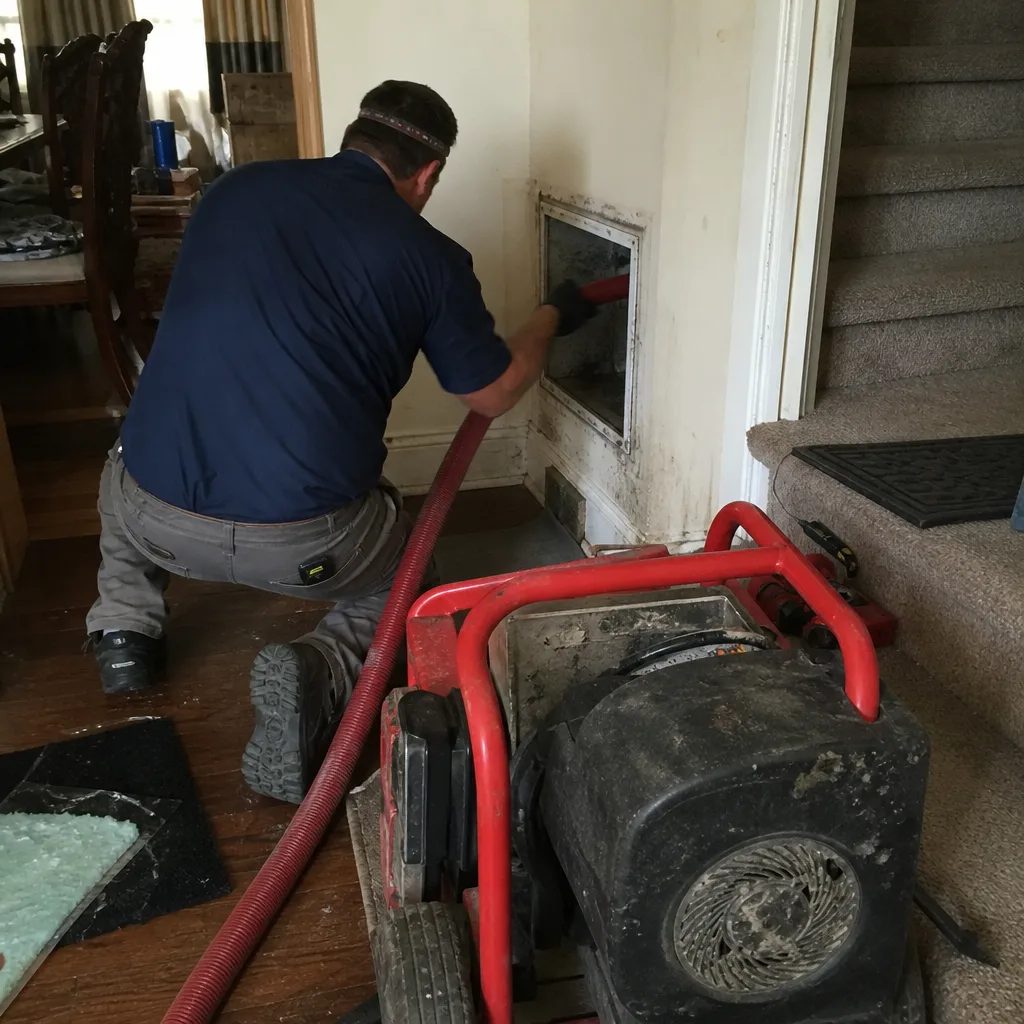 Before
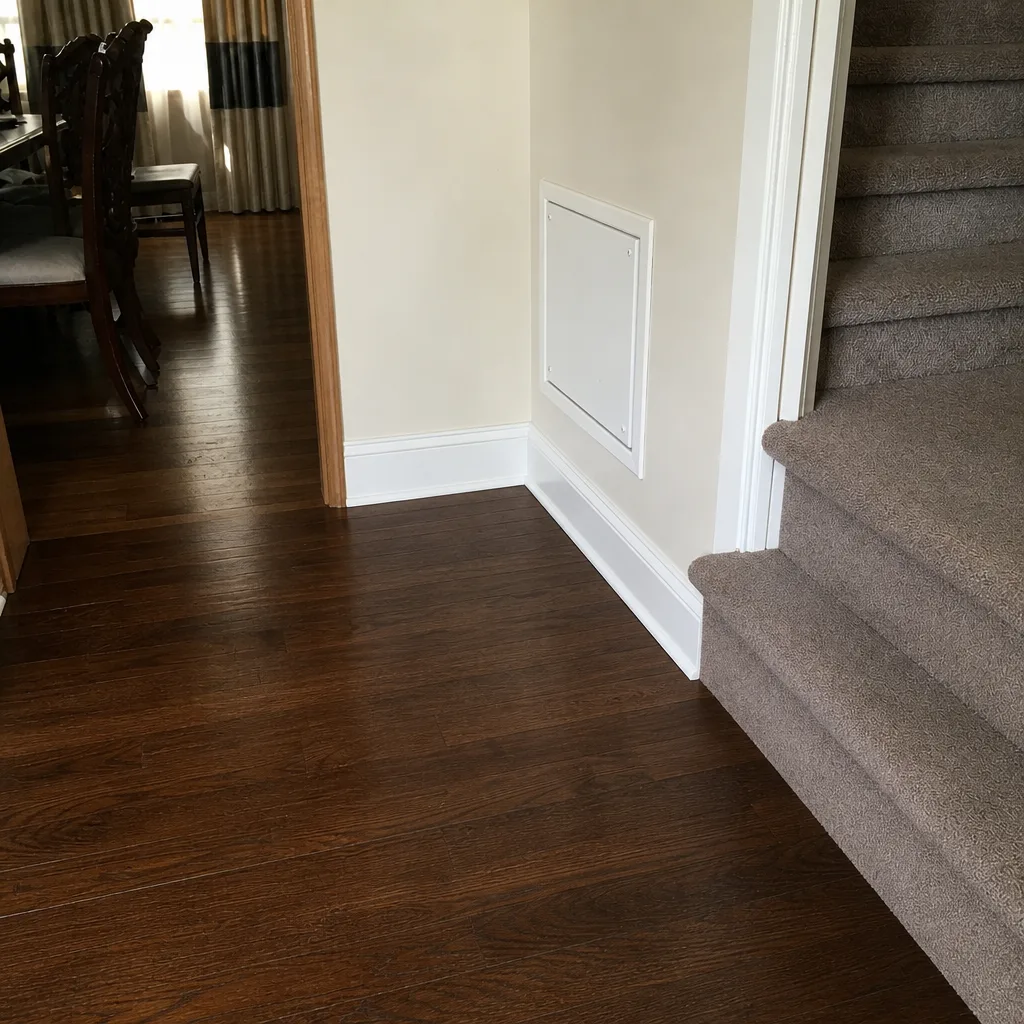 After
When to Call a Professional
Call a professional when the seasonal signals point to a problem you can’t resolve with a filter change. That includes visible dust mats on return grilles, musty odor through the cooling cycle, gray residue on registers after a smoke event, a coil that has gone from light dust to a mat, and a system that has had multiple strong wind or smoke events without an inspection. It also includes any home with recent renovation dust, older leaky ducts, or family members with allergies or asthma. Yorba Linda Air Duct Cleaning Pros offers free estimates in Yorba Linda. Call (877) 523-5624. We answer 24/7. Fast dispatch from 7am to 7pm, Sunday through Friday. If a driver calls outside dispatch hours, the job is booked into the next opening. Our technicians have up to 12 years of experience, and every job is one flat price per system agreed before work starts, with before-and-after photos of your own ducts.
Frequently Asked Questions
Most Yorba Linda homes fall between annual and every four years depending on conditions. Homes with heavy tree cover and repeated smoke exposure lean toward annual cleaning. Homes with newer sealed ductwork and good filtration can stretch to four years. The right interval follows the contamination evidence, not the three-to-five-year industry average. Call (877) 523-5624 for an exact quote; estimates are free.
Whole-system cleaning in this market is priced per system, not per vent, so a standard single-family home usually falls in a moderate range while larger homes with multiple zones sit higher. The written estimate sets the final price before any work begins. If a quote you’ve seen is dramatically lower than others, ask whether it covers the full system including the coil and sanitizing. Call (877) 523-5624 for an exact quote; estimates are free.
Yes, when the home isn’t prepared. A strong Santa Ana event pushes dry, particulate-heavy air into the living space through gaps and through the return air system, and a single event can load a duct system with more material in 72 hours than the previous six months combined. Running the system on recirculate during the event and checking the filter the day after reduces the load. Call (877) 523-5624 for an exact quote; estimates are free.
It helps when fine particulate has settled into the duct system, which is what produces persistent smoke odor and gray residue on registers. Standard filters don’t capture the full PM2.5 fraction, so a post-smoke inspection is the right call when odor or symptoms persist. Call (877) 523-5624 for an exact quote; estimates are free.
Cleaning is mechanical removal of debris: dust, dander, pollen, construction material. Sanitizing is a separate treatment applied to the air system after cleaning, using Guardsman-grade products to address microbial and allergen buildup on surfaces the cleaning has exposed. Cleaning without sanitizing is standard for a system with no growth indicators; cleaning with sanitizing is standard when musty odor or visible growth is present.
You check two things: before-and-after photos of your own ducts, and whether the price matched the written estimate. Any job worth doing includes both. If an operator won’t show you what was removed or produces a bill that differs from the estimate, that’s the moment to ask questions. One flat price per system, agreed before work starts, is the simple standard. Call (877) 523-5624 for an exact quote; estimates are free.
The Bottom Line
Air duct cleaning in Yorba Linda is a seasonal decision, not a calendar one. Spring pollen loads the return air. Summer heat keeps the coil wet long enough for growth to establish. Fall Santa Ana winds can drop months of particulate in days. Winter wildfire smoke pushes fine particles past standard filters. Watch the signals after each season, clean when the evidence says to, and don’t clean a leaky system until the leaks are sealed. The right interval for your home is a function of your landscaping, pets, filtration, and exposure to smoke and wind, and it usually falls somewhere between annual and every four years. Quick answer if you only remember one thing: clean when the evidence says to, not because a brochure said three to five years.
Written by the team at Yorba Linda Air Duct Cleaning Pros.