
Last updated November 25, 2026
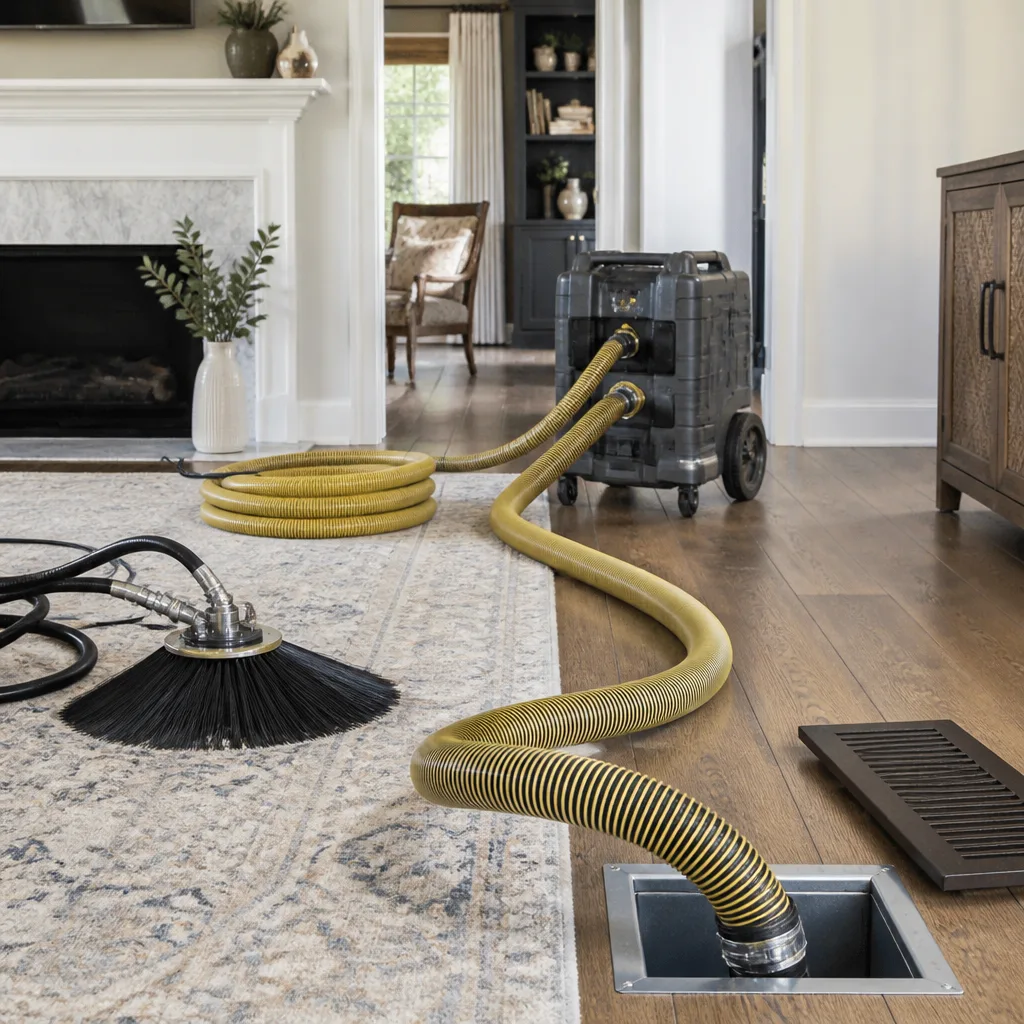 Whole-home duct cleaning
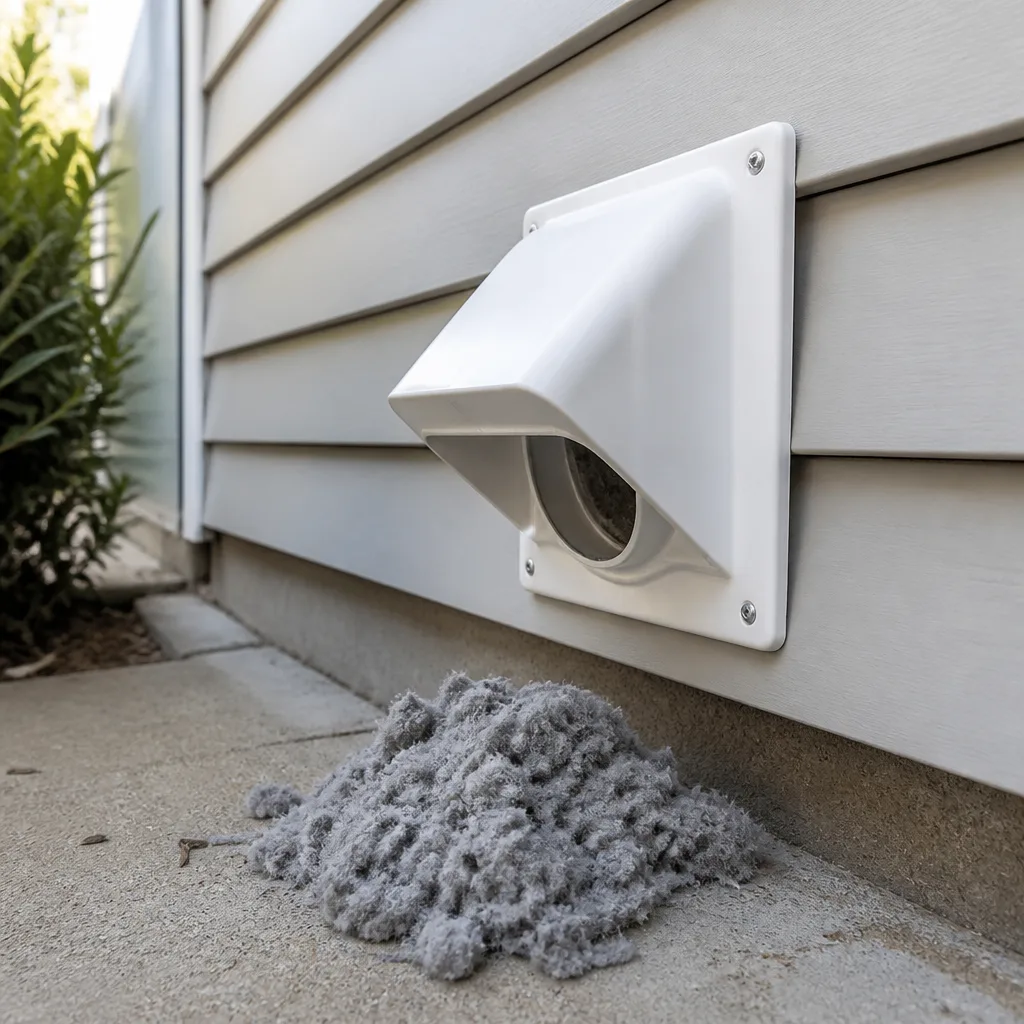 Dryer vent cleaning
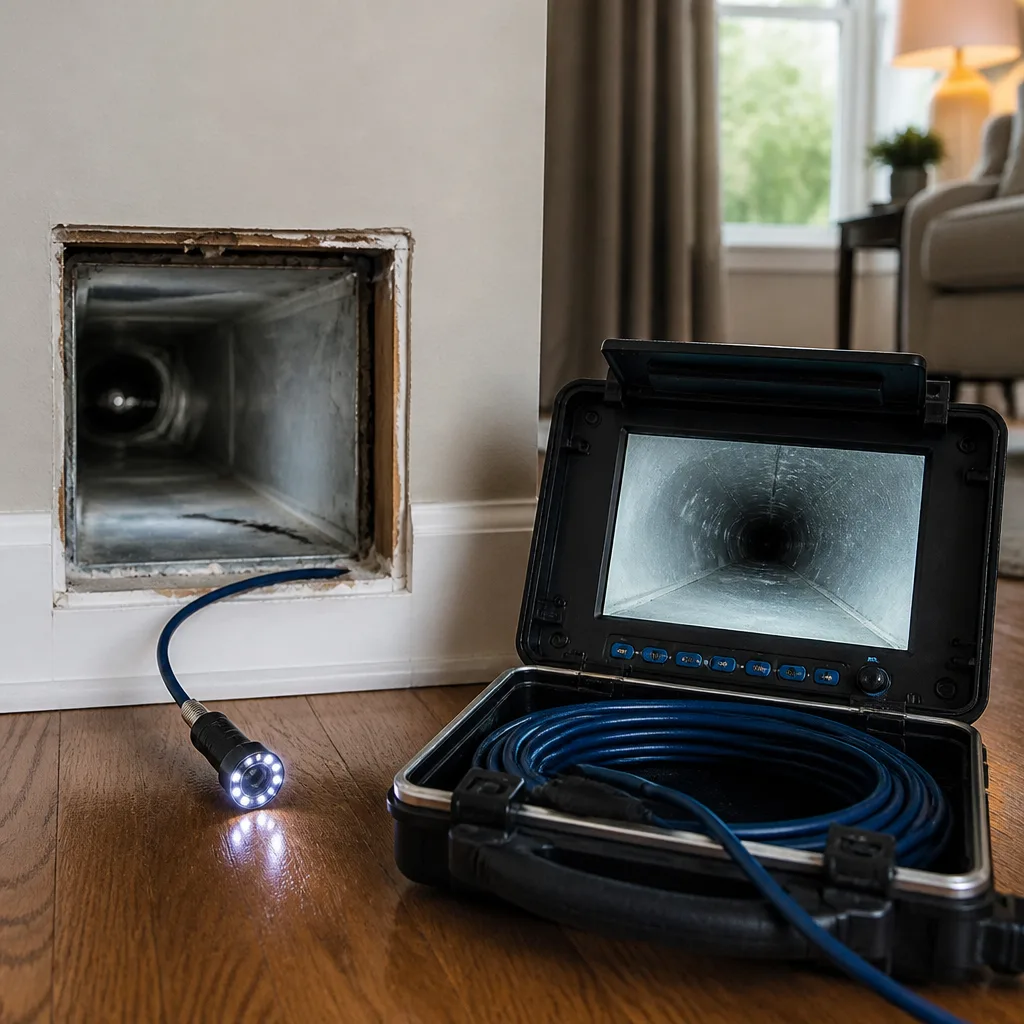 Camera inspection
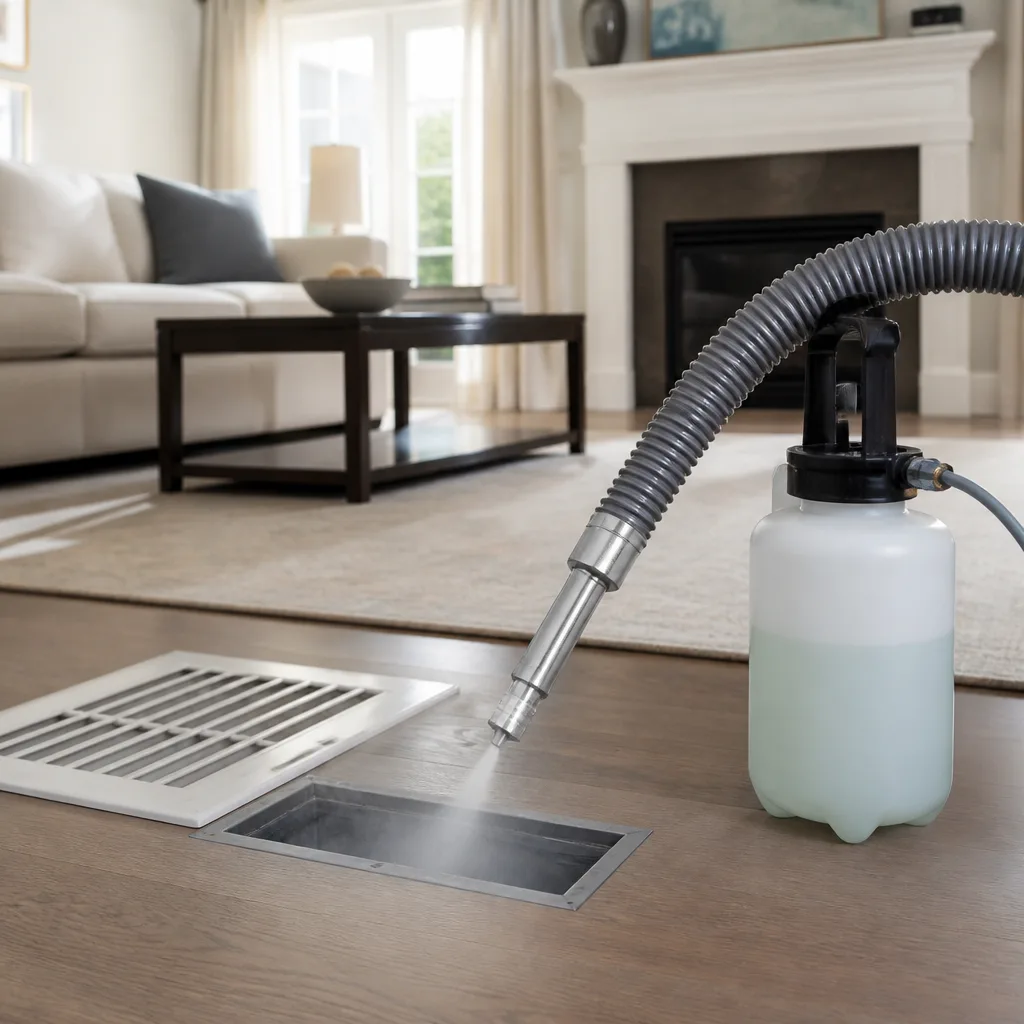 Sanitizing & deodorizing
Whole-system duct and dryer vent check with before-and-after photos - you see exactly what came out of your vents
That "$99 whole-house special" is a bait ad - the real number appears once they are in your hallway, or the "clean" is a shop-vac at the register. We photograph the inside of your ducts before and after instead.
Air Duct Cleaning Emergency Preparedness Guide for Yorba Linda Homes
Most emergency plans in Yorba Linda cover water, flashlights, and a go-bag. Almost none address the ductwork. That’s the gap this guide fills. When wildfire smoke pushes into the canyon edges above town, when a Santa Ana wind event drags ash and dust across the foothills, or when a seismic jolt rattles a house, the air handling system keeps pulling outside air into every room. If the ducts are running during the event, they become a collection surface. This guide explains how contamination gets in, what to inspect afterward, when to shut the system down, and how to tell an HVAC problem from a duct cleaning problem.
Quick Answer
After a wildfire, earthquake, or major wind event in Yorba Linda, shut off the HVAC system during the smoke event, then have ducts inspected within about 48 hours before particulate and ash settle into the duct walls. Restart only after confirming the air handler, flex joints, and cabinet seals are intact. Emergency-preparedness cleaning combines duct extraction, filter replacement, and sanitizing so the system doesn’t recirculate ash, soot, or dust through the house.
Styles & brands we work with
- Whole-home duct cleaning
- Dryer vent cleaning
- Camera inspection
- Sanitizing & deodorizing
Table of Contents
- Post-Wildfire Smoke: What to Do With Your Duct System
- Earthquake Response: Checking Ductwork Before Restarting
- Santa Ana Wind Events: Rooftop vs. Ground-Level Units
- Two Different Calls: Your HVAC Tech and Your Duct Specialist
- Emergency Preparedness Supply List for Yorba Linda Homes
- What a Post-Disaster Duct Inspection Should Cover
- Step-by-Step: The First 72 Hours After a Smoke or Dust Event
- Common Mistakes to Avoid
Post-Wildfire Smoke: What to Do With Your Duct System
Wildfire smoke is not the same as dust. It carries fine particulate (PM2.5), ash, and combustion byproducts that behave differently once they enter a duct system. The particles are small enough to pass through a standard filter, and they stick to the inside of duct walls, especially the cooler return-side runs. This is why a Yorba Linda home can smell like a campfire for weeks after the smoke clears, even with windows closed.
The first move is shutting the system down. During an active smoke event, running the air handler does exactly what it’s designed to do: it moves outside air in, pushes it through the system, and distributes it into every room. Shut off the thermostat, close windows, and set the system to “fan off.” If you have a fresh-air intake or economizer, close it if your system allows.
The second move is the 48-hour window. Ash and smoke particulate settle onto duct surfaces fast, and they bond more stubbornly as time passes. The ideal window for inspection and cleaning is roughly within two days of the event clearing, before residue is baked on by repeated heating and cooling cycles.
What a post-event inspection should cover
- Filter condition and MERV rating (ash clogs filters fast and forces the blower to work harder).
- Return-air grilles and the supply trunks closest to the air handler.
- The air handler cabinet, including blower wheel and evaporator coil, for soot and ash film.
- Flex duct connections at the plenum and at each register boot.
- Interior duct surfaces, especially horizontal runs where particles settle.
- Any fresh-air intake and its screen.
For homes with older, unsealed ductwork, expect more intrusion at the joints. We use Abatement Technologies filtration equipment during the service to contain debris and keep it out of living spaces while extraction runs. Our air duct cleaning service is built around this exact scenario: mechanical extraction of settled particulate followed by a filter and sanitizing pass.
Earthquake Response: Checking Ductwork Before Restarting
Yorba Linda sits in an active seismic region, and even moderate shaking can do quiet damage to a duct system. Flex duct joints separate, register boots loosen from the ceiling or floor, and the air handler cabinet seals can crack. None of that is visible from the living room. You restart the system and it runs, so you assume it’s fine. It isn’t.
What to check before restarting the system:
- Visual inspection of every accessible flex connection (attic, crawlspace, utility closet).
- The air handler cabinet: any gap, crack, or misalignment at the access panel or door gasket.
- Ceiling and floor registers: are they flush, or have they pulled away from drywall or flooring?
- Gas connections and electrical disconnects (this is a licensed HVAC call, not a duct call).
- The outdoor condenser and any rooftop unit mounting hardware.
If a flex joint has separated, the system will pull attic or crawlspace air into the supply stream instead of conditioned air. That’s a real indoor air quality problem, and it’s also a serious energy loss you’ll see on the next bill. Sealing damaged joints is part of our Yorba Linda Air Duct Cleaning Pros scope, and it’s the reason we treat Duct Repair & Sealing as its own service rather than a tack-on. Cleaning alone doesn’t fix a separated joint. It has to be sealed.
If you smell gas or see damage to the gas line at the air handler, leave the house and call your utility. That’s not a duct issue, and no duct technician should be diagnosing it.
Santa Ana Wind Events: Rooftop vs. Ground-Level Units
Santa Ana winds are Yorba Linda’s most underrated duct contaminant. They drive fine dust, ash, and dry vegetation particles at high velocity, and they arrive with enough pressure to push material into every gap in a duct system. The inspection points differ based on where your equipment sits.
Homes with rooftop HVAC units
- Check the roof curb and the seal where the unit meets the structure.
- Inspect the duct penetration boot through the roof for gaps or displaced flashing.
- Look for ash and dust accumulation inside the supply plenum directly downstream of the unit.
- Verify the fresh-air intake screen isn’t packed with dust.
- Check roof-mounted flex duct for UV degradation and cracking from wind-driven debris.
Homes with ground-level package units
- Inspect the perimeter seal at the unit cabinet (wind-driven dust enters at any gap).
- Check the return-air chase and the connection at the unit.
- Inspect under-slab or crawlspace duct runs for dust intrusion at joints.
- Verify the filter slot and filter fit (undersized filters let dust bypass entirely).
Older Yorba Linda neighborhoods, especially those built in the 1960s through the 1980s, often have duct systems with loose tape joints and older flex runs. Post-event inspection matters more for those homes. A Santa Ana event doesn’t just dirty the ducts; it can reveal weaknesses that were already there. If you want the full picture of how we approach post-event cleaning, our HVAC cleaning page walks through the air handler side of the work.
Two Different Calls: Your HVAC Tech and Your Duct Specialist
After a disaster, homeowners often aren’t sure who to call. The answer is usually two different calls with two different scopes. Mixing them up wastes time and can leave a problem half-solved.
Call your HVAC technician when:
- There’s any question about gas lines, electrical connections, refrigerant, or compressor function.
- The system won’t start, short-cycles, or throws a fault code.
- The air handler, condenser, or heat exchanger needs a mechanical repair.
- You need a load calculation or equipment replacement evaluation.
Call your duct cleaning specialist when:
- The system runs fine but the house smells like smoke or dust.
- Visible debris, ash, or dust is on registers or the return grille.
- Airflow is weak in one or more rooms.
- Duct joints, boots, or cabinet seals need inspection and resealing.
- You want sanitizing after water intrusion, mold concern, or a smoke event.
Our dryer vent cleaning service is often booked at the same time as a post-event visit, because the same wind-driven dust and lint can pack into a dryer vent and create a fire hazard. That’s a safety issue, not an efficiency tip, and post-event inspection is a good moment to look at it.
One honest point: if the HVAC tech finds a mechanical problem, the duct cleaning has to wait until that’s resolved. Pulling debris through a struggling blower makes things worse. Sequence matters.
Emergency Preparedness Supply List for Yorba Linda Homes
A few inexpensive items make the difference between a quick recovery and a system full of settled ash. This isn’t a long list. It’s what actually helps.
- Spare high-MERV filters. Keep two on hand sized for your return grille. A MERV 11 to MERV 13 filter catches more fine particulate than standard fiberglass, but check with your HVAC tech first because higher MERV increases static pressure. Change the filter immediately after any smoke or wind event.
- Documented HVAC shutoff location. Know where your system disconnect is (at the air handler and outdoor unit) and write it down. When a smoke plume arrives, seconds matter.
- Air quality monitor placement. A consumer air quality monitor placed in the main living space (not in the garage or attic) gives you a real reading during an event. Look for one that tracks PM2.5, since that’s the metric that answers the wildfire-smoke question.
- Blue painter’s tape. Useful for temporarily sealing off fresh-air intakes or low-priority register boots during a smoke event.
- A basic N95 mask supply for the work of inspecting the system afterward.
- A printed copy of your HVAC make and model so you can order the right filter quickly.
That’s the full kit. No gadgets, no dashboards. Just the six things that matter when the smoke rolls in and you need to make a decision in the next ten minutes.
What a Post-Disaster Duct Inspection Should Cover
A post-disaster inspection isn’t the same as a standard cleaning estimate. It has to answer a specific question: is this system safe to run, and does it need cleaning, repair, sealing, or sanitizing (or more than one)?
Mechanical integrity first. Flex joints, register boots, plenum connections, cabinet seals, and any rooftop curb seals. If a joint is broken, cleaning doesn’t help; the joint has to be repaired and sealed before the air inside that run is anything other than attic or crawlspace air.
Interior condition second. Inside the ducts, look for settled ash, soot film, dust, rodent debris, or visible mold. We use Rotobrush rotary brush systems to mechanically loosen settled debris from duct walls, because a vacuum alone doesn’t remove what’s stuck.
Air handler condition third. Blower wheel, evaporator coil, and cabinet interior. Soot and ash film on the blower wheel throws it out of balance and shortens motor life.
Biological concerns fourth. If there’s been water intrusion (post-fire sprinkler damage, roof leak, or just post-event humidity), a Guardsman-backed sanitizing treatment addresses mold and microbial concerns. Chemical sanitizing is not a substitute for mechanical cleaning; it’s the step after.
Filter and fresh-air path fifth. The right filter and a clean intake matter more after a disaster than any other time. Nikro extraction equipment is built for exactly this kind of heavy-load recovery work.
When all five pass, the system is ready to run. If one doesn’t, that’s the priority before anything else gets scheduled.
Step-by-Step: The First 72 Hours After a Smoke or Dust Event
- Hour 0-1: Shut down. Turn off the thermostat and close windows.
- Hour 1-4: Document. Photograph visible ash, register conditions, and any obvious duct damage. This helps the inspector and any insurance conversation.
- Hour 4-24: Filter check. Pull the current filter and check its condition. If it’s visibly loaded, replace it now. Do not run the system with a clogged filter.
- Day 1-2: Book inspection. Schedule a post-event inspection. Our process is built around a full-system check, not a vacuum-and-go.
- Day 2-3: Clean and seal. Mechanical extraction, cabinet cleaning, joint repair and sealing where needed, and sanitizing if biological concerns exist.
- Day 3: Restart and monitor. After cleaning and any repair, run the system and watch the air quality monitor. If PM2.5 stays elevated or smells persist, call back for a second look.
Three days is not a deadline, it’s a target. Some systems need more time, especially if repairs are involved. The important thing is not to run the system during the smoke event and not to wait weeks before the inspection.
Common Mistakes to Avoid
- Running the system during an active smoke event. This pulls smoke and ash into the house instead of filtering it out. Shut down, close up, and wait.
- Assuming a standard cleaning is enough after a wildfire. Soot and smoke particulate bond to duct surfaces and require mechanical extraction plus sanitizing. A quick vacuum misses both.
- Restarting the HVAC immediately after an earthquake without a flex-joint check. A separated joint dumps attic or crawlspace air into the supply stream. Inspect before restart.
- Skipping the filter replacement after a wind event. A loaded filter forces the blower to work harder and can freeze a coil. Replace filters immediately after any major dust event.
- Calling a duct cleaner for an HVAC mechanical problem. Gas, electrical, and refrigeration issues belong with a licensed HVAC tech. Duct cleaning doesn’t fix a compressor.
- Using a discount “one-price” duct ad without checking scope. The number on the mailer rarely reflects what a genuine post-disaster extraction and sealing job requires.
- Ignoring the dryer vent during a post-event inspection. Ash and lint compound in the vent. It’s a fire hazard, not just an efficiency issue.
See the difference
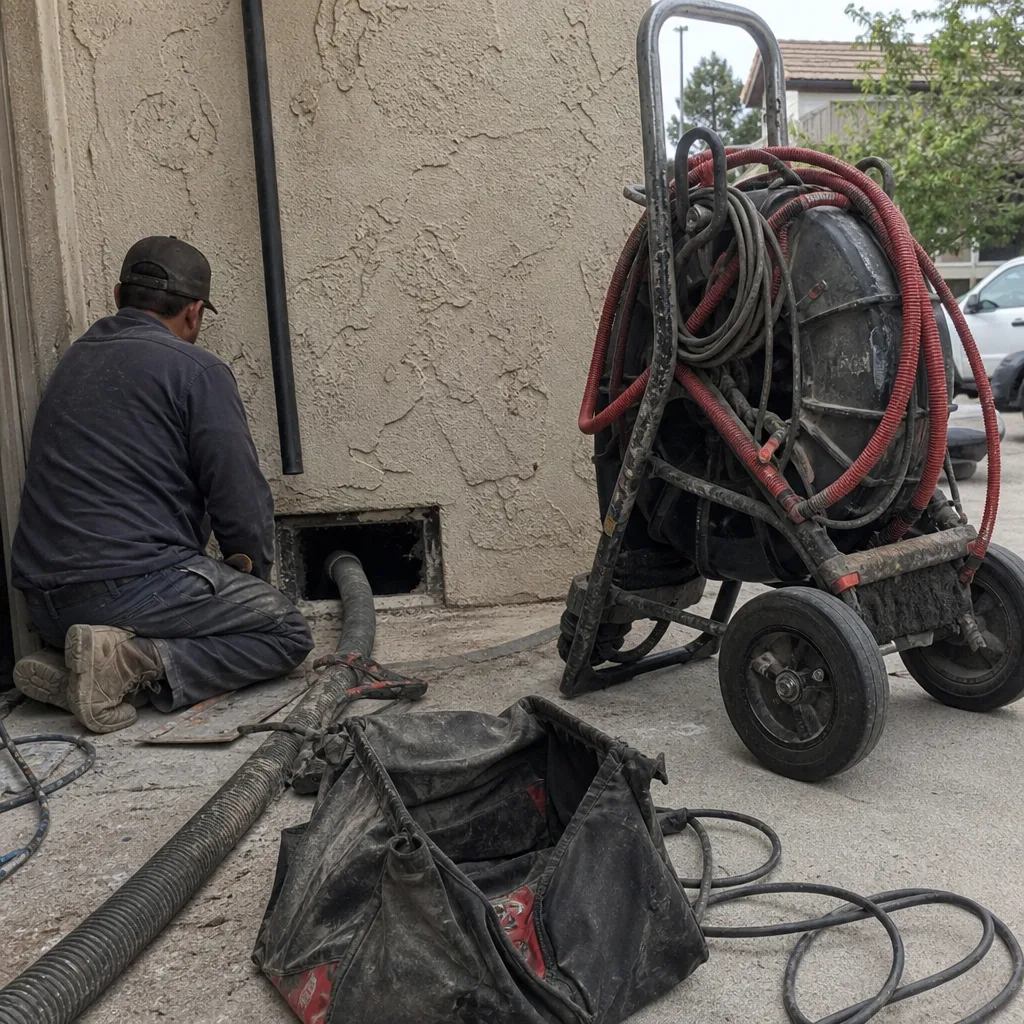 Before
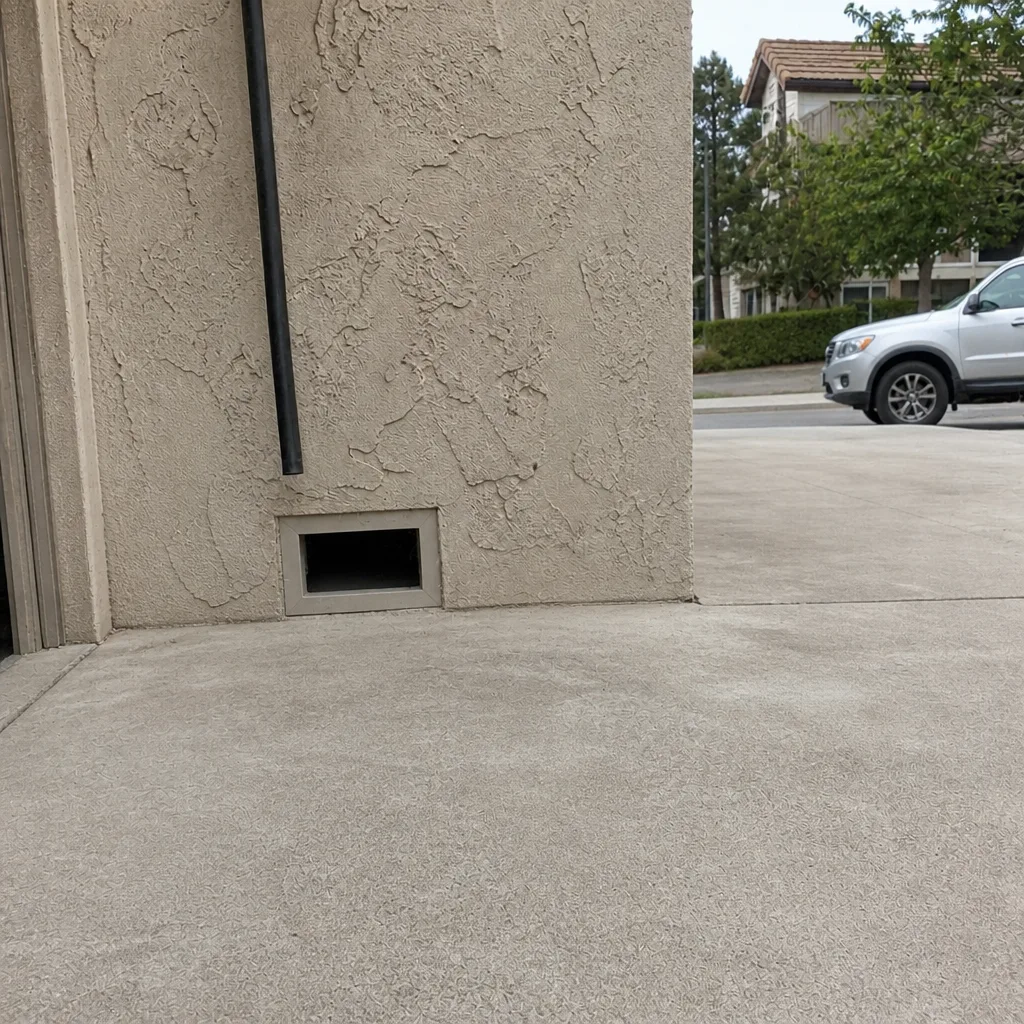 After
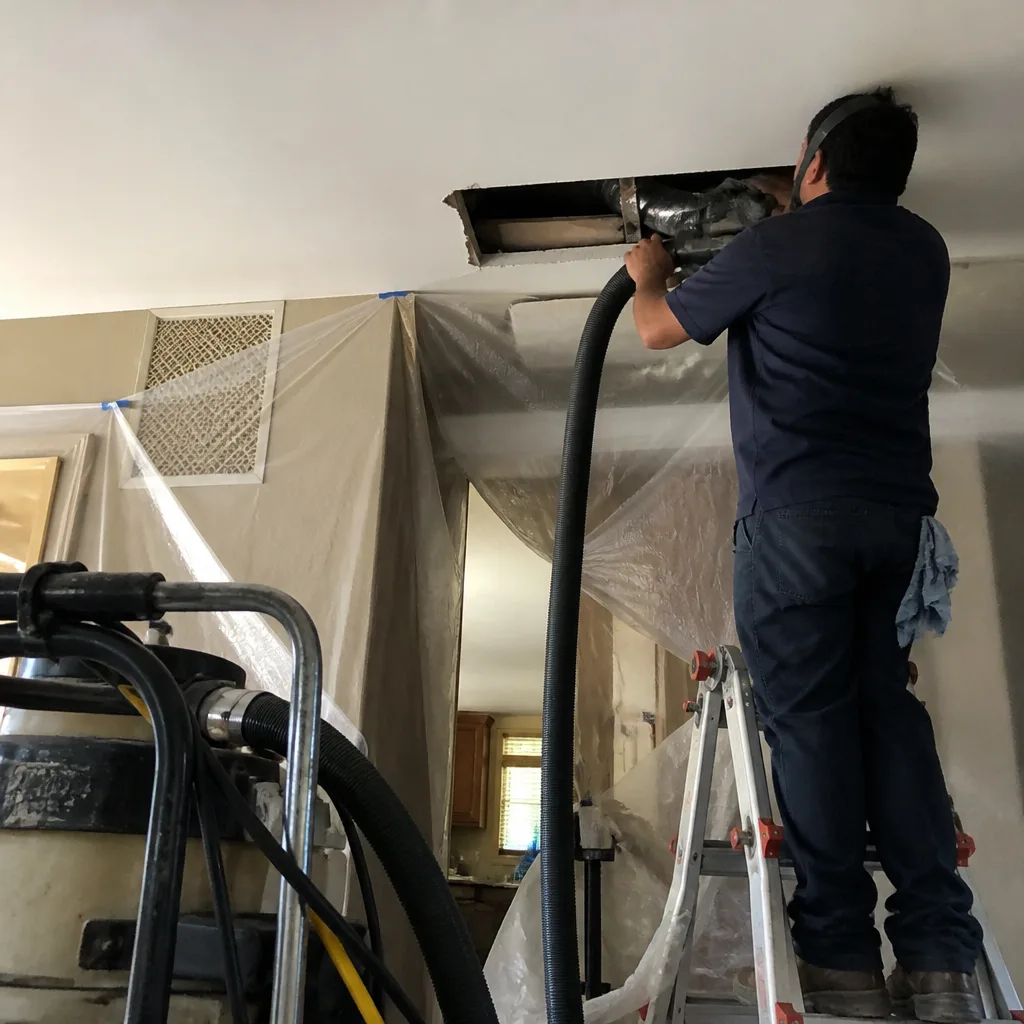 Before
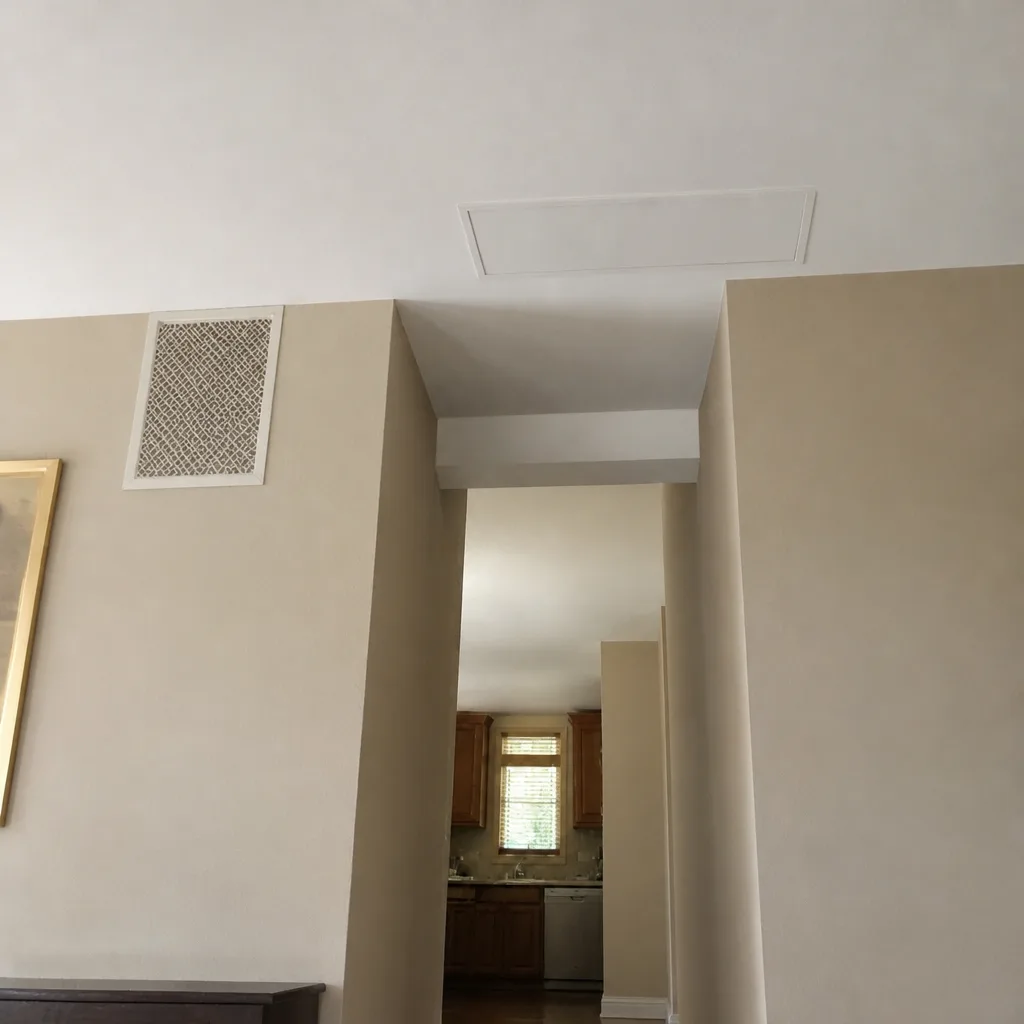 After
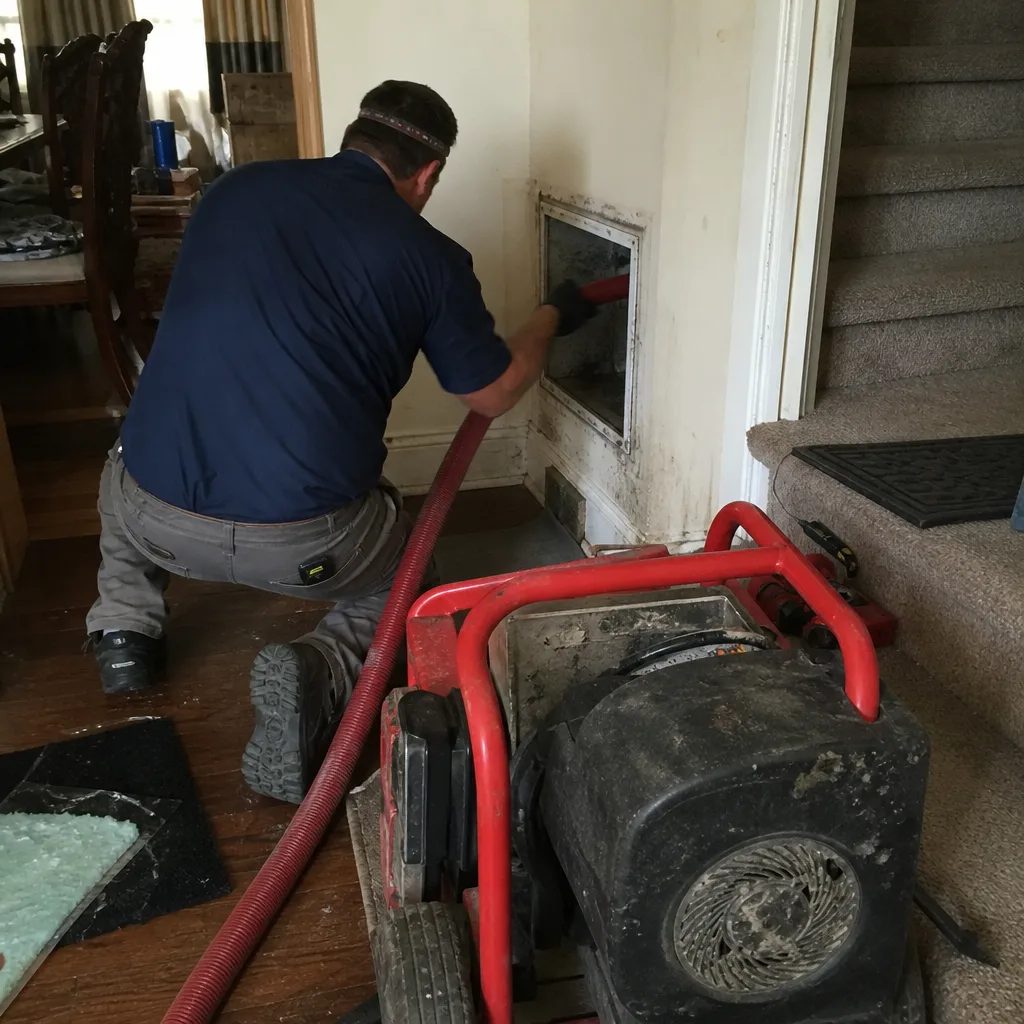 Before
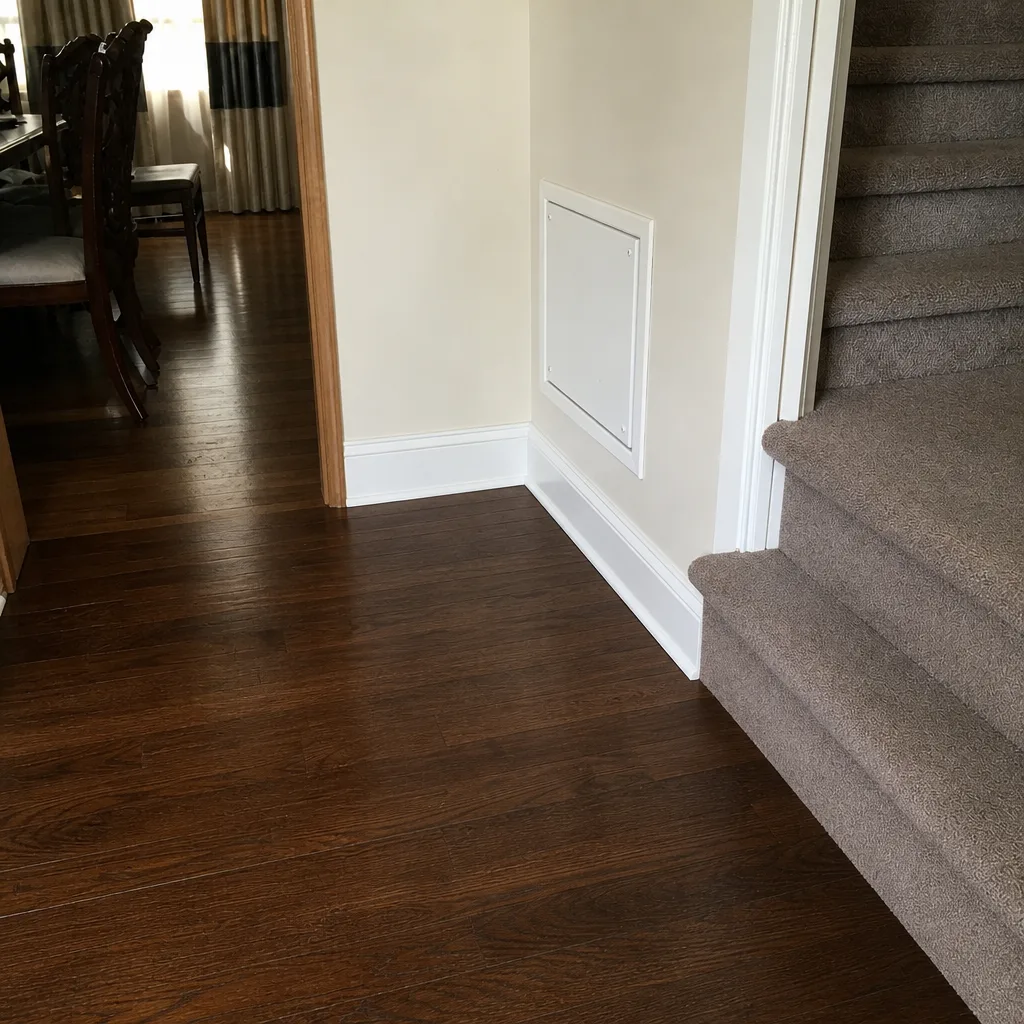 After
When to Call a Professional
Call a professional if smoke or burning smell persists inside the house after the outdoor air has cleared, if air quality monitor readings stay elevated, if you find ash or visible debris in a register, if a flex joint has pulled apart, or if the system has run through a major wind event with poorly sealed joints. Anyone in Yorba Linda with an older duct system, allergies, or household members with respiratory concerns should treat a post-event inspection as standard practice rather than a precaution. Yorba Linda Air Duct Cleaning Pros offers free estimates in Yorba Linda – call (877) 523-5624. We answer 24/7. Fast dispatch from 7am to 7pm, Sunday through Friday, closed Saturday. Our technicians have up to 12 years of experience, and every quote is one flat price per system agreed before work starts.
Frequently Asked Questions
Within about 48 hours of the smoke event clearing is the target. Ash and smoke particulate settle onto duct surfaces fast and bond more stubbornly with each heating and cooling cycle, so a post-event inspection and cleaning inside two days is materially more effective than waiting a few weeks. Call (877) 523-5624 for an exact quote. Estimates are free.
No. Shut off the thermostat, close windows, and set the fan to off. Running the air handler during a smoke event pulls outside air into the house and distributes fine particulate into every room. The system’s job is to move air, and during a smoke plume that air is the problem.
You have to look. A visual inspection of flex joints, register boots, the air handler cabinet seal, and the outdoor unit mounting is the only way to know. The system can run perfectly while a separated flex joint is quietly pulling attic air into the supply stream. If you can’t reach the attic or crawlspace safely, have it inspected.
HVAC cleaning covers the mechanical side: the air handler, blower wheel, evaporator coil, and cabinet. Air duct cleaning covers the duct network itself. The two are complementary, and after a disaster you often need both, but they’re separate scopes. We handle both under one visit when the job calls for it.
Cleaning is the primary step; sanitizing is the secondary one. Mechanical extraction removes the physical ash and soot. A Guardsman-backed sanitizing treatment addresses microbial and allergen concerns left behind, especially after water intrusion or when mold is a possibility. If the system only ran briefly during a distant smoke event and no water entered, sanitizing may not be necessary.
It’s the most effective single step, yes. Smoke smell lingers because particulate has settled into the duct surfaces and the air handler cabinet. Mechanical extraction plus filter replacement removes the source. If the smell persists after a full cleaning, it typically points to an air handler or coil issue that needs an HVAC tech to look at. Call (877) 523-5624 for an exact quote. Estimates are free.
The Bottom Line
Yorba Linda’s specific combination of wildfire proximity, seismic risk, and Santa Ana wind events means a standard emergency plan isn’t complete without a duct system plan. Shut the system down during smoke events, inspect within 48 hours, check flex joints and cabinet seals before restarting, and call the right specialist for the right scope. Post-event cleaning combines mechanical extraction, filter and cabinet work, duct repair and sealing, and sanitizing when needed. Preparedness isn’t complicated. A few spare filters, a documented shutoff, an air quality monitor, and a phone number you trust. Call (877) 523-5624 for a free estimate. We answer 24/7. Fast dispatch from 7am to 7pm, Sunday through Friday.
Written by the team at Yorba Linda Air Duct Cleaning Pros.