
Last updated November 25, 2026
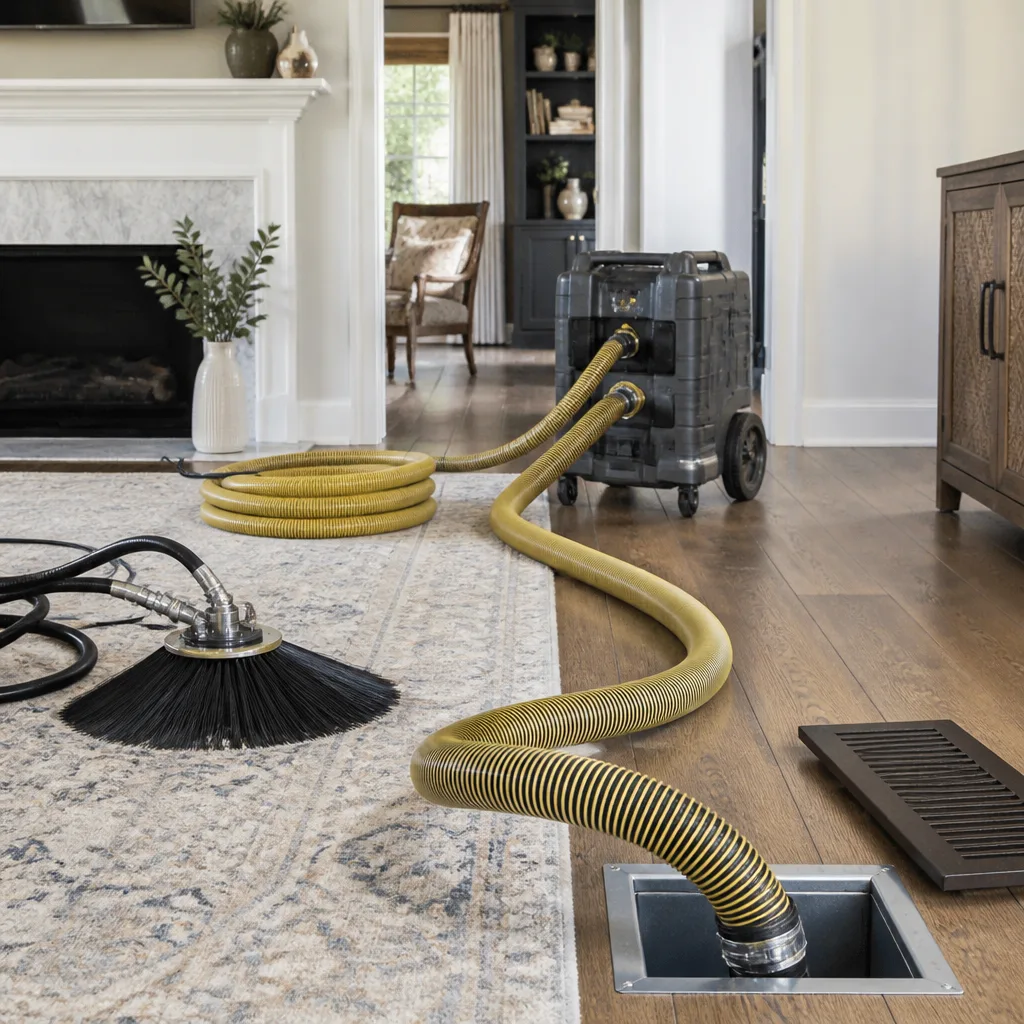 Whole-home duct cleaning
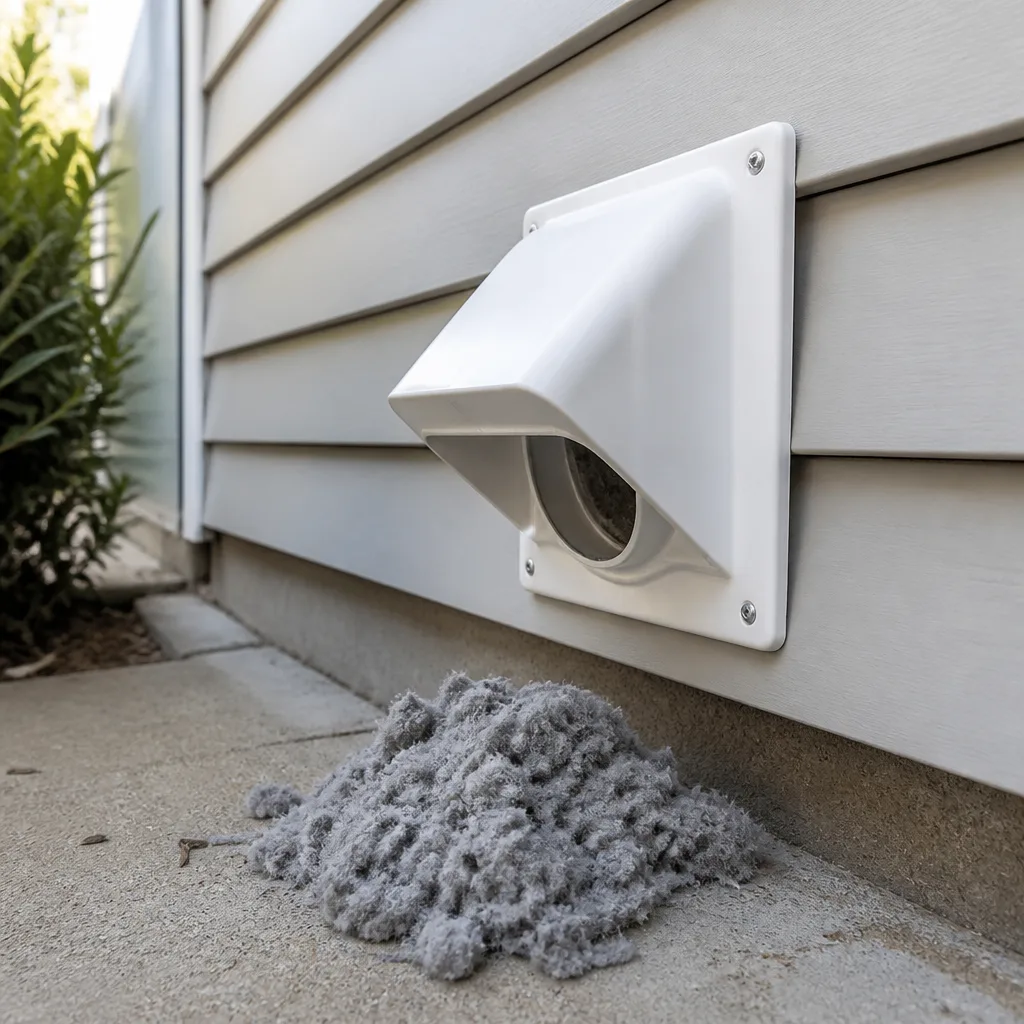 Dryer vent cleaning
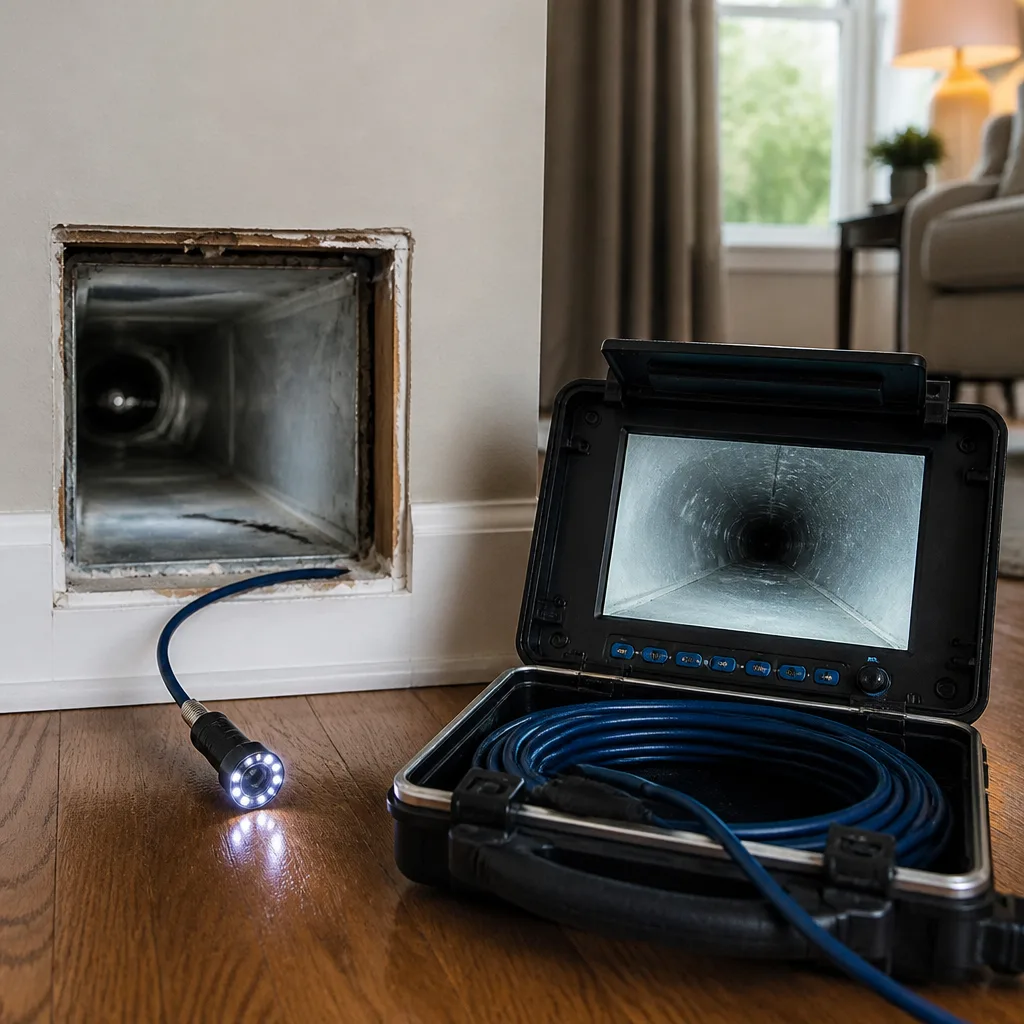 Camera inspection
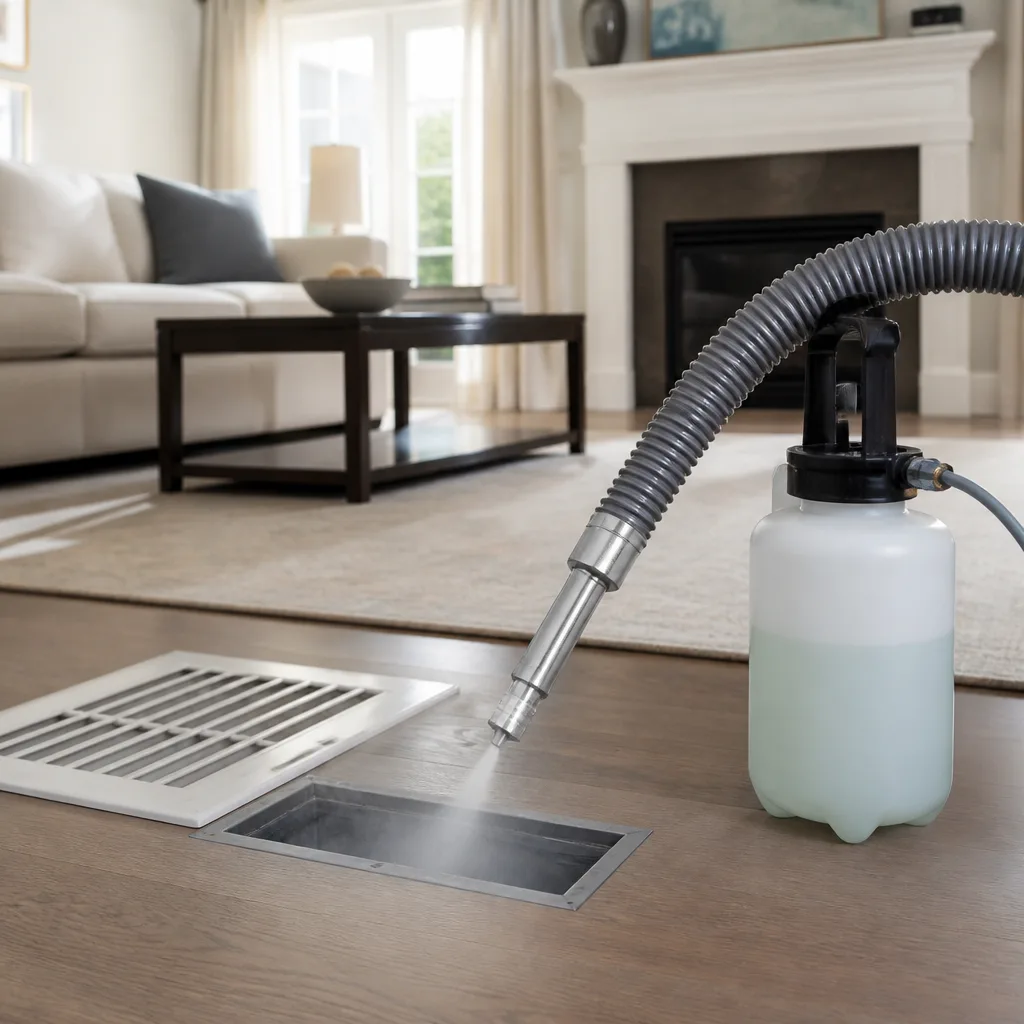 Sanitizing & deodorizing
Whole-system duct and dryer vent check with before-and-after photos - you see exactly what came out of your vents
That "$99 whole-house special" is a bait ad - the real number appears once they are in your hallway, or the "clean" is a shop-vac at the register. We photograph the inside of your ducts before and after instead.
Air Duct Cleaning Maintenance Checklist for Yorba Linda Homeowners
Most duct maintenance advice you’ll find online was written for a place with wet winters and humid summers. Yorba Linda isn’t that place. We average fewer than 15 inches of rain a year here, which sounds like good news for your ductwork until you think it through: rain scrubs dust out of the air. Without it, dust, pollen, pet dander, and construction debris settle into your ducts and stay there, building up faster than homeowners in wetter climates would ever expect. Add hot, dry summers and Santa Ana wind events that push fine grit and wildfire smoke through the canyons, and you get a maintenance calendar that looks different from a generic filter-change reminder. This checklist walks you through a month-by-month schedule built for Yorba Linda’s actual climate, tells you which MERV ratings make sense for our air, and shows you how to inspect and log your system so you know it’s working.
Quick Answer
In Yorba Linda, your air ducts should be professionally cleaned every 2 to 3 years, with filter changes every 1 to 3 months depending on the season, and a full dryer vent inspection once a year. Santa Ana wind season and any nearby wildfire smoke events should trigger a check even if you’re inside that window. Between professional visits, a monthly five-minute self-inspection of your register grilles and return air covers will tell you whether buildup is accelerating.
Styles & brands we work with
- Whole-home duct cleaning
- Dryer vent cleaning
- Camera inspection
- Sanitizing & deodorizing
Table of Contents
- Why Yorba Linda’s Climate Demands Its Own Duct Schedule
- The Month-by-Month Maintenance Calendar
- Choosing the Right MERV Rating for Yorba Linda Air
- Dryer Vent Inspection: The Annual Item You Can’t Skip
- How to Self-Inspect Registers and Return Covers
- What a Professional Cleaning Actually Involves
- Recordkeeping That Matters at Resale
- Common Mistakes to Avoid
Why Yorba Linda’s Climate Demands Its Own Duct Schedule
Yorba Linda sits in a spot where three climate forces meet. Summers are hot and dry, often pushing the air conditioning hard from May into October. Santa Ana winds sweep down through the canyon corridors, carrying fine dust and, in bad fire years, ash and smoke. And the annual rainfall total is low enough that atmospheric dust rarely gets washed out of the air the way it does in wetter parts of the country. The result is a duct system that loads up with particulate matter faster than the national average advice accounts for.
What does that look like inside your ducts? A mix of dust mites, mold spores, pet dander, pollen, and fine mineral dust from our dry soil. In homes near new construction or recently renovated properties, you’ll also find drywall dust and sawdust that settled in and never left. We’ve seen duct interiors in Yorba Linda that accumulated more visible debris in two years than systems in coastal or mountain climates do in five.
There’s a second factor specific to this area: smoke events. When wildfire smoke drifts into the valley, your HVAC system pulls it through the return air and into the ductwork, where particles can settle on duct walls and stay long after the sky clears. That’s why our maintenance calendar treats smoke events as an unscheduled trigger, separate from the routine schedule.
None of this means your ducts are dangerous. It means the intervals that make sense in Yorba Linda are shorter than a generic online checklist would suggest, and the seasonal timing matters. If you want the full picture of what professional air duct cleaning involves, that’s worth reading alongside this checklist.
The Month-by-Month Maintenance Calendar
This is the core of the guide: a schedule tied to what actually happens in Yorba Linda across the year. Adjust the exact months slightly to match your household, but keep the sequence.
January – February: Post-Winter Check
- Replace the furnace filter if you heat with forced air, even if it looks clean. A filter that ran all winter has done its job.
- Look at each supply register for a gray film or dust tail trailing from the grille. If you see it, jot it down for your next cleaning.
- Schedule a dryer vent inspection if you haven’t done one in the past year. This is non-negotiable and covered in its own section below.
March – April: Pre-Summer AC Startup
- Before the first hot stretch, install a fresh filter rated for the cooling season (see the MERV section).
- Walk the house and check that every return air cover is unobstructed by furniture, rugs, or stored items.
- If your ducts haven’t been professionally cleaned in 2 to 3 years, this is the natural window to book it before cooling season demand builds. Professional HVAC cleaning also addresses the air handler and coil, not just the ducts.
May – September: Cooling Season and Santa Ana Prep
- Check the filter monthly during heavy AC use. In dusty months, a filter can load in four to six weeks.
- When Santa Ana wind events are forecast, close windows and run the system on fan-only or with a good filter in place to keep outdoor grit from settling indoors.
- After any significant wind event, inspect registers for a fresh dust layer.
October – November: Post-Wildfire Smoke Check
- If smoke drifted into your area during fire season, have the system inspected. Smoke particles settle in ducts and can be re-entrained into the air you breathe.
- Consider sanitizing treatment if you notice lingering odors or if anyone in the home has allergies. Guardsman-grade sanitizing addresses microbial and allergen concerns that simple debris removal doesn’t.
December: Year-End Review
- Review your maintenance log (covered below) and note what’s due next year.
- Replace the filter and confirm the dryer vent was inspected this year.
Two numbered patterns keep this calendar manageable. First, treat every professional visit as a chance to log what was done. Second, treat every smoke or wind event as a reason to look, not necessarily to book. Looking is free.
Choosing the Right MERV Rating for Yorba Linda Air
MERV ratings run on a scale from 1 to 20, and higher isn’t automatically better for your system. The rating describes how well a filter captures particles of a given size, but a filter that’s too restrictive for your air handler can choke airflow, strain the blower, and actually reduce the quality of your indoor air by making the system work harder than it should.
For most Yorba Linda homes, a MERV 8 to MERV 11 filter is the practical sweet spot. MERV 8 handles the everyday load of dust, pollen, and pet dander our dry climate generates. MERV 11 adds better capture of fine particles and is a reasonable step up during smoke season or for homes with allergy sufferers. MERV 13 captures finer particles still, but on many residential systems it restricts airflow enough that you should confirm your system can handle it before installing one.
Here’s the part most homeowners don’t hear at the big-box store: what’s on the shelf is often chosen for shelf space, not for your air. You’ll commonly see MERV 8 and some MERV 11, but the selection skews toward what sells fastest. If you need a specific rating because of allergies or smoke exposure, you may not find it locally without ordering. That’s one reason we carry Honeywell and Aprilaire filtration products: those brands give you consistent, well-documented ratings rather than a store-brand number you have to trust.
- MERV 8: Solid everyday choice for most Yorba Linda homes.
- MERV 11: Good for allergy sufferers and smoke season.
- MERV 13: Finest capture, but check airflow compatibility first.
- Above MERV 13: Rarely appropriate for standard residential systems without modification.
Change interval matters as much as rating. In Yorba Linda’s dusty months, a filter that would last three months in a wetter climate may load in six weeks. Check it monthly during heavy use and change it when it’s visibly gray.
Dryer Vent Inspection: The Annual Item You Can’t Skip
Dryer vent cleaning is a fire-safety item, not an efficiency tip. Lint is highly flammable, and a vent that’s loaded with lint restricts airflow, which raises the temperature inside the dryer and the vent line. In high-use households, lint accumulates fast: a family running several loads a week can build a meaningful lint load in the vent within a year. That’s why annual inspection is the one item on this checklist that doesn’t flex with your duct cleaning schedule.
Yorba Linda’s dry climate does you no favors here. Lint dries out and becomes more combustible, and the fine dust our air carries adds to the load. Homes with long vent runs, flexible foil or plastic venting, or vents that exit through the roof or a wall with multiple elbows are at higher risk and should be inspected on schedule, not deferred.
Signs you should not wait for the annual date:
- Clothes take noticeably longer than one cycle to dry.
- The dryer or the laundry area feels unusually hot to the touch.
- You notice a burning or musty smell during a cycle.
- You can see lint around the outdoor vent flap, or the flap doesn’t open freely.
If any of those appear, book a professional dryer vent cleaning promptly. A trained technician has the equipment to clear the full run, including the sections you can’t reach with a shop vacuum, and can confirm the vent is properly connected and unobstructed end to end. That’s not a job to improvise.
How to Self-Inspect Registers and Return Covers
You don’t need equipment to catch early contamination. A five-minute walk-through once a month will tell you whether your ducts are loading faster than normal and whether it’s time to schedule a professional visit before the scheduled interval.
- Look at the supply register grilles. Remove the cover if it lifts off easily. A thin gray film is normal between cleanings; a visible dust tail curling from the slots, or a fuzzy growth on the fins, signals buildup that needs attention.
- Check the return air covers. Returns pull in more air and typically show the most debris. Look for a dark ring around the perimeter or dust clinging to the frame. Make sure nothing is blocking the return.
- Wipe the inside of one register boot. Reach in with a dry cloth where the duct meets the grille. If the cloth comes back heavily gray, the duct behind it is likely loaded.
- Check for streaks near the grille perimeter. Dark streaks where the grille meets drywall can indicate air leaking past the seal, which pulls dust in from the wall cavity.
- Note any musty or stale odor when the system runs. Odor that shows up each time the AC starts can point to microbial growth in the ducts or on the coil. That’s a case for sanitizing treatment, not just cleaning.
- Record what you see. A photo and a date in your log make it easy to spot a change next month.
Do this the same day each month so it becomes a habit. And skip the temptation to reach deep into the ducts with a vacuum or a brush: you can dislodge debris farther down the run or damage flex duct joints. Inspection is observation, not cleaning.
What a Professional Cleaning Actually Involves
A professional cleaning is not a shop-vac pass over each register. Done properly, it uses mechanical agitation and high-volume extraction to remove debris from the full run, then protects your living space from the dust that gets disturbed along the way. Here’s what the process should look like from a company that’s set up for it.
The core equipment matters. We use Rotobrush rotary brush systems to mechanically agitate debris from duct walls, paired with Nikro industrial extraction equipment to pull the loosened material out. Consumer-grade vacuums don’t generate the airflow to move built-up debris through a full duct run, and they can’t scrub surfaces. During the service, Abatement Technologies air filtration tools help contain dust and protect the rooms you’re living in, so the process doesn’t leave a film on every surface.
A full-system visit also covers the air handler and coil, because debris that bypasses the filter lands there. And here’s the piece most cleaning-only operators skip: inspection of the ductwork itself. Damaged, disconnected, or leaking duct joints let debris and unconditioned air into the system, which undoes the cleaning. Duct repair and sealing capability is what separates a full-service job from a surface one. If sections need repair, we handle it in the same visit rather than leaving you to find a contractor.
For homes with allergies, musty odors, or smoke exposure, sanitizing with Guardsman-grade products treats the system at a biological level, addressing microbial and allergen concerns beyond debris removal. That’s the difference between a cleaner duct and a treated one.
In our experience, a thorough job takes time and shows you what came out. Before-and-after photos of your own ducts are a reasonable thing to ask for, and we provide them. If a company won’t, that’s a signal.
Recordkeeping That Matters at Resale
A maintenance log sounds unnecessary until you sell the house. Buyers and their inspectors want evidence that the HVAC system was maintained, and a clear record of dates, services, and findings answers the question before it gets asked. In Yorba Linda’s climate, where ducts load faster, a documented schedule also shows you didn’t defer upkeep.
What to log after each service visit:
- Date and service performed (duct cleaning, dryer vent, HVAC cleaning, repair, sanitizing).
- Filter MERV rating installed and the date changed.
- Findings noted by the technician, including any duct damage or leaks found and what was repaired.
- Photos from before and after the service, filed with the invoice.
- Invoice and written estimate, showing the flat price per system agreed before work began.
- Next recommended service date so the calendar stays alive.
Keep it in a folder, physical or digital, alongside your HVAC service records. When a buyer’s inspector notes “duct cleaning: unknown,” a two-page log turns that into a documented, maintained system. It also helps you: a log makes it obvious when a service is due before buildup becomes a problem.
Common Mistakes to Avoid
- Treating duct cleaning as a once-and-done event. In Yorba Linda’s dusty climate, a single cleaning doesn’t hold for a decade. The 2 to 3 year interval exists for a reason, and smoke or wind events can shorten it.
- Using the highest MERV filter you can find. A MERV 13+ filter on a system that can’t handle the restriction strains the blower and can hurt air quality. Match the filter to the system.
- Skipping the dryer vent because the ducts were just cleaned. Duct cleaning and dryer vent inspection are separate services with separate risks. The vent needs its own annual check, full stop.
- Ignoring dust streaks around grilles and returns. Those streaks usually mean air is leaking past the seal, pulling dust from the wall cavity into the system. It’s a duct sealing issue, not just a cleaning one.
- Assuming a low quote is a good deal. Quotes that come in far under the rest of the market often reflect a shop-vac pass and a fast walk-through, not full-run agitation and extraction. Ask what equipment the company uses.
- Cleaning but not repairing. Cleaning a duct system with leaks or disconnected joints is a temporary result. The debris that gets in through the gaps comes right back.
- Waiting for a smell before sanitizing. Musty odors are a late signal. If you’ve had smoke exposure or mold concerns, ask about sanitizing at your next cleaning.
See the difference
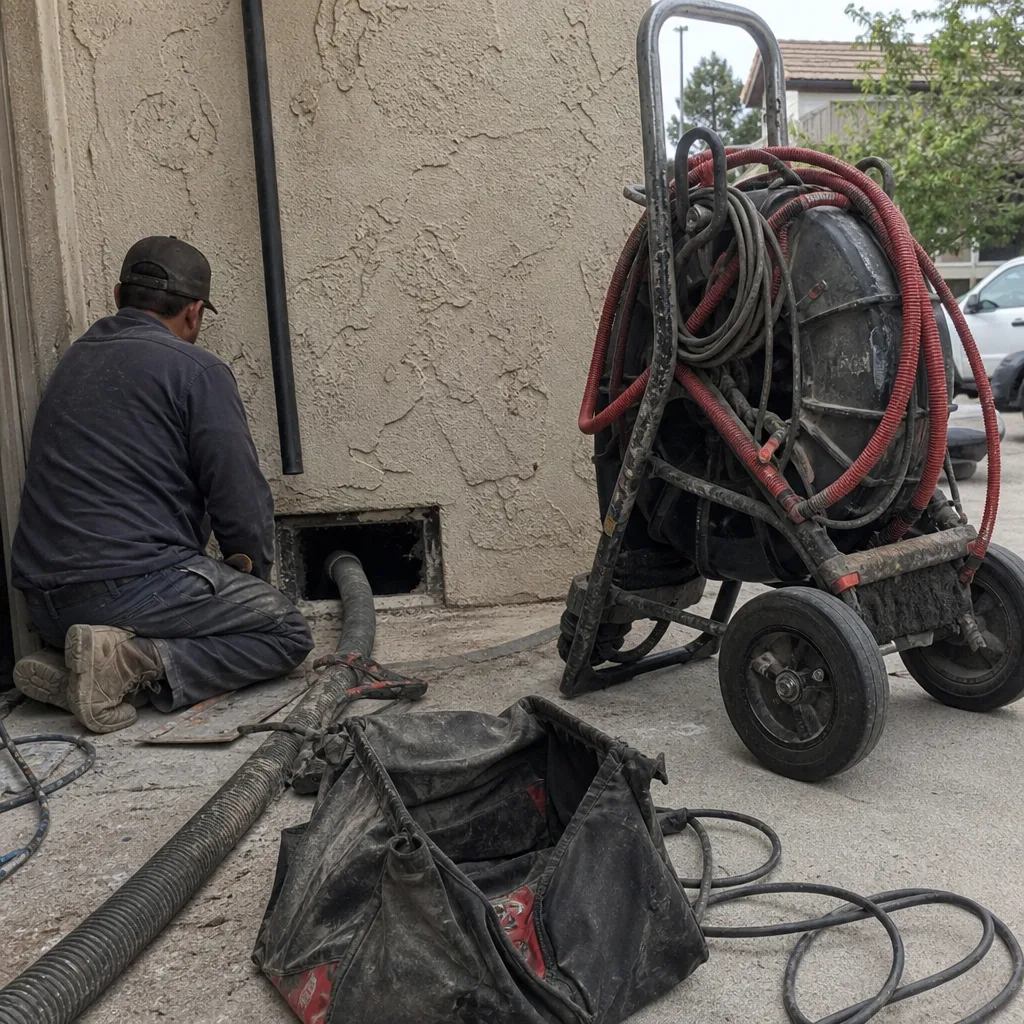 Before
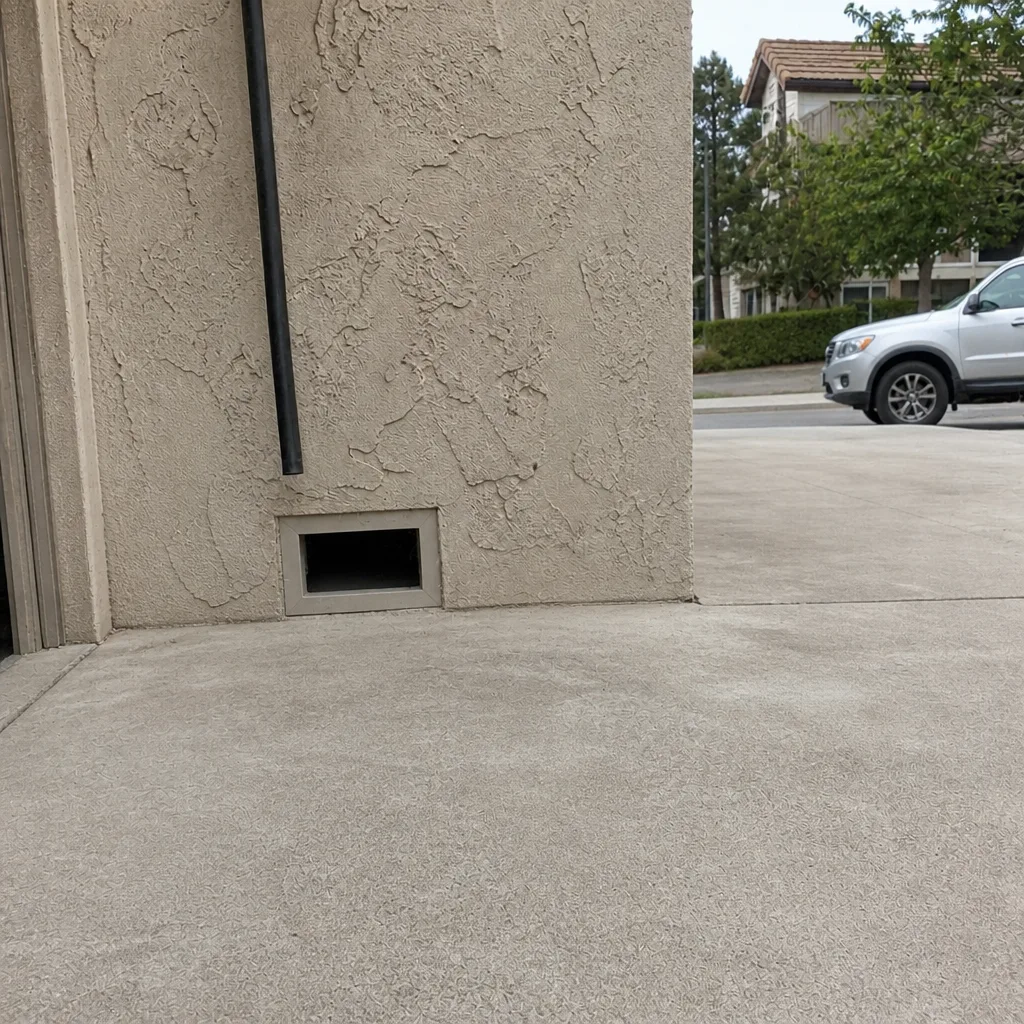 After
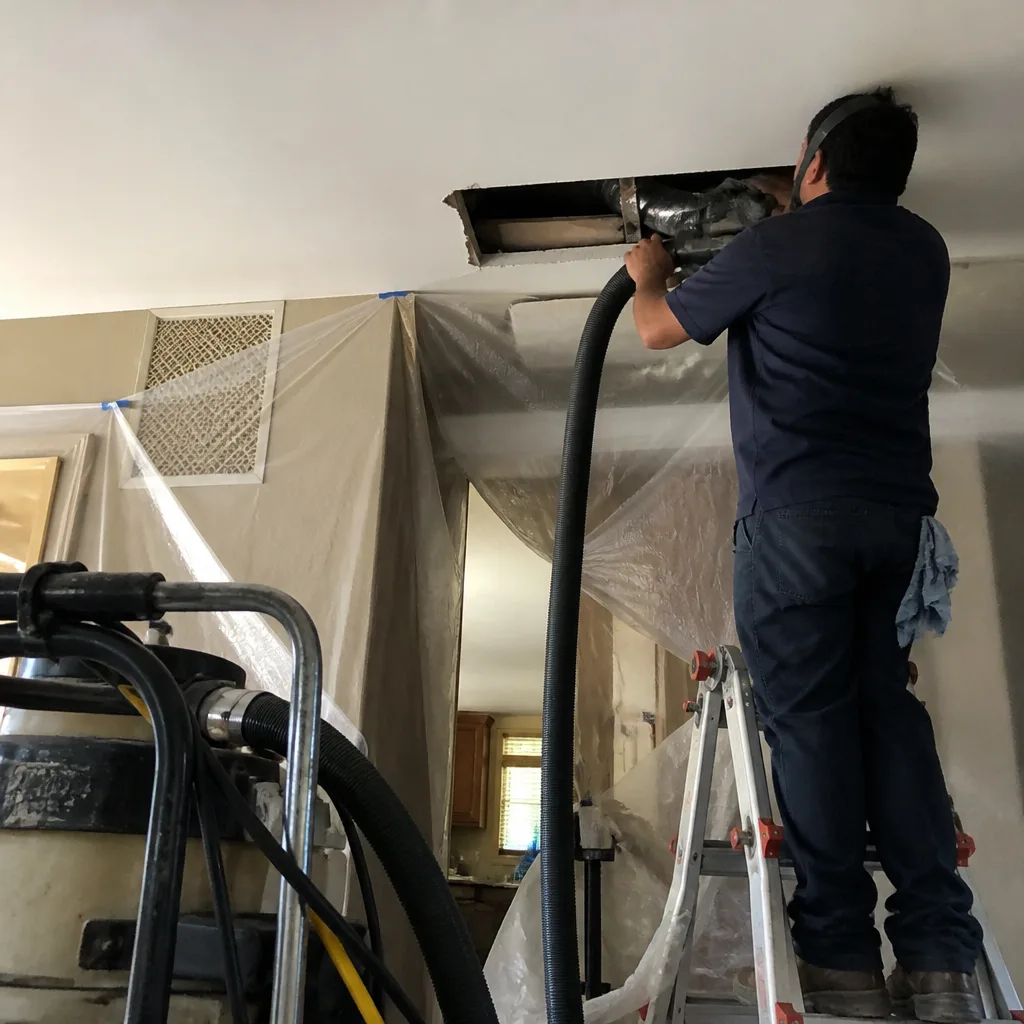 Before
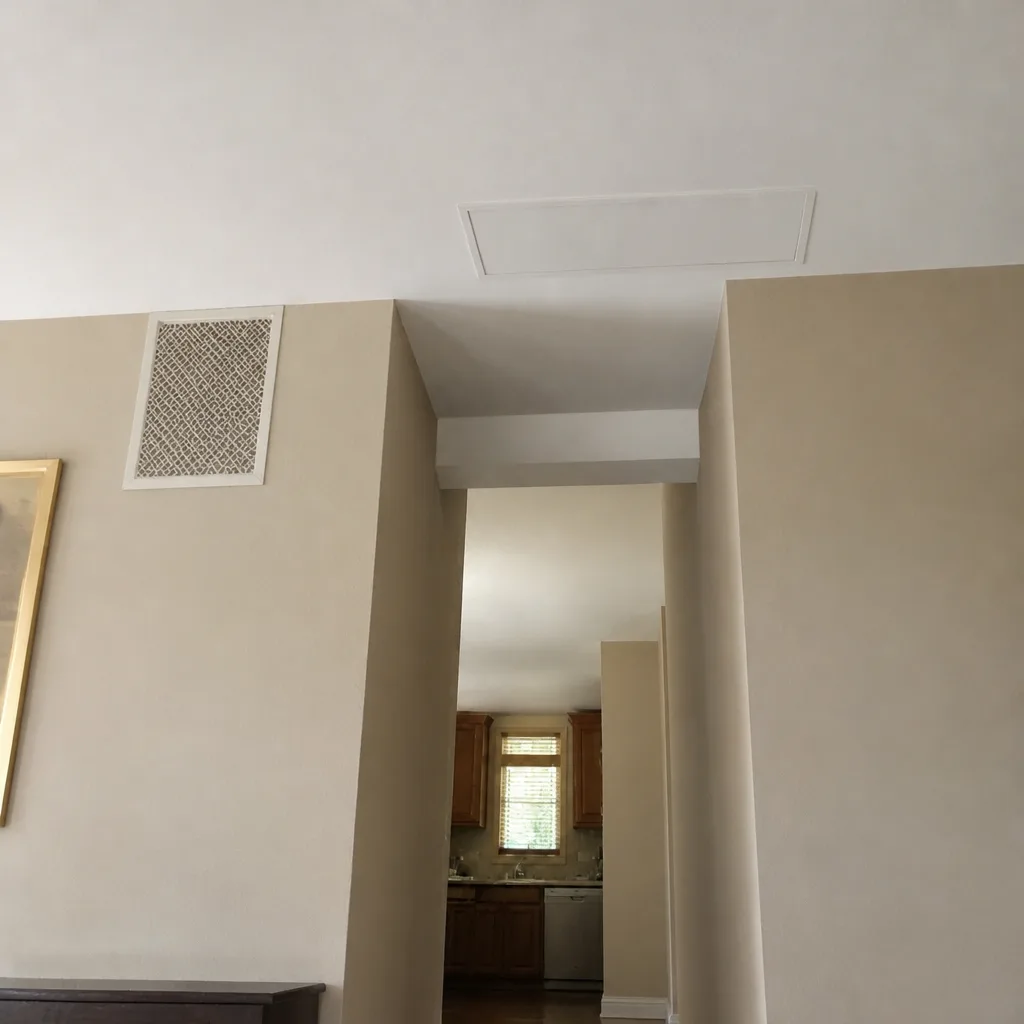 After
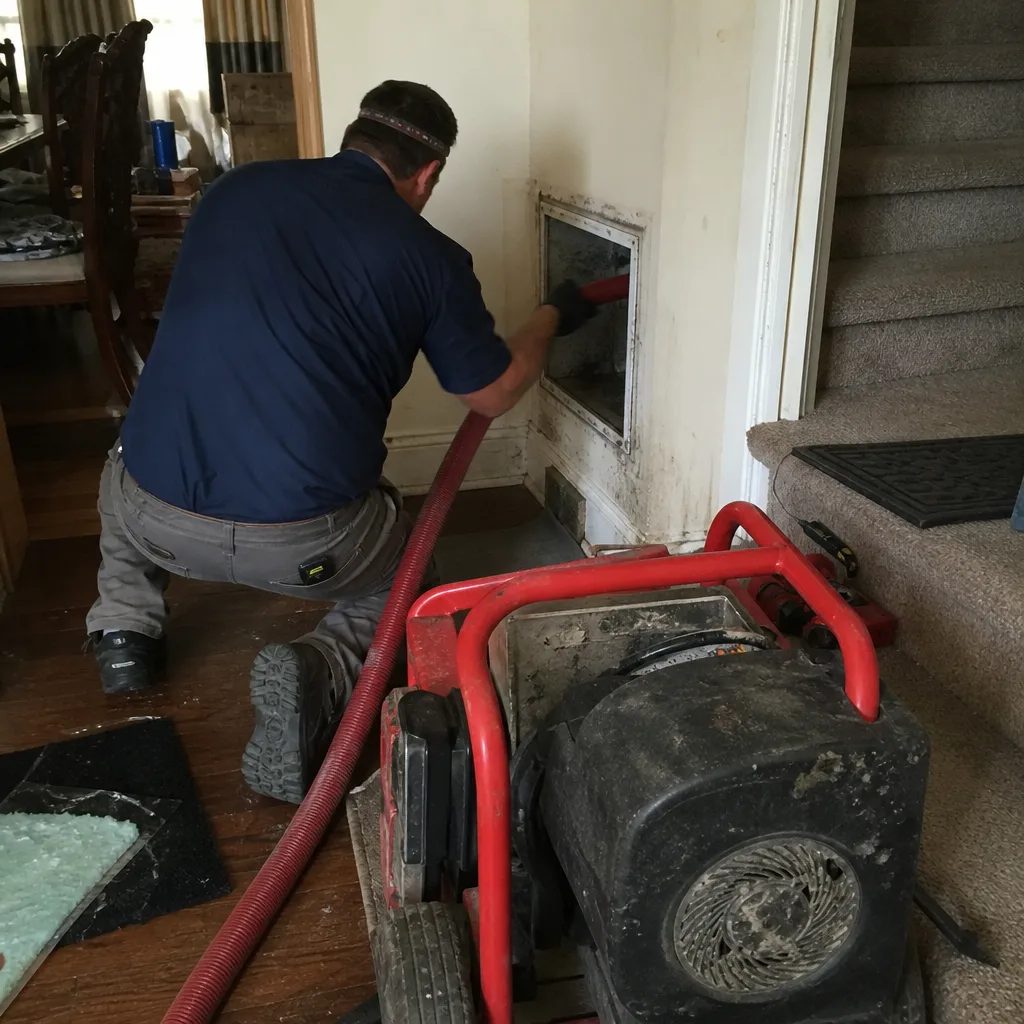 Before
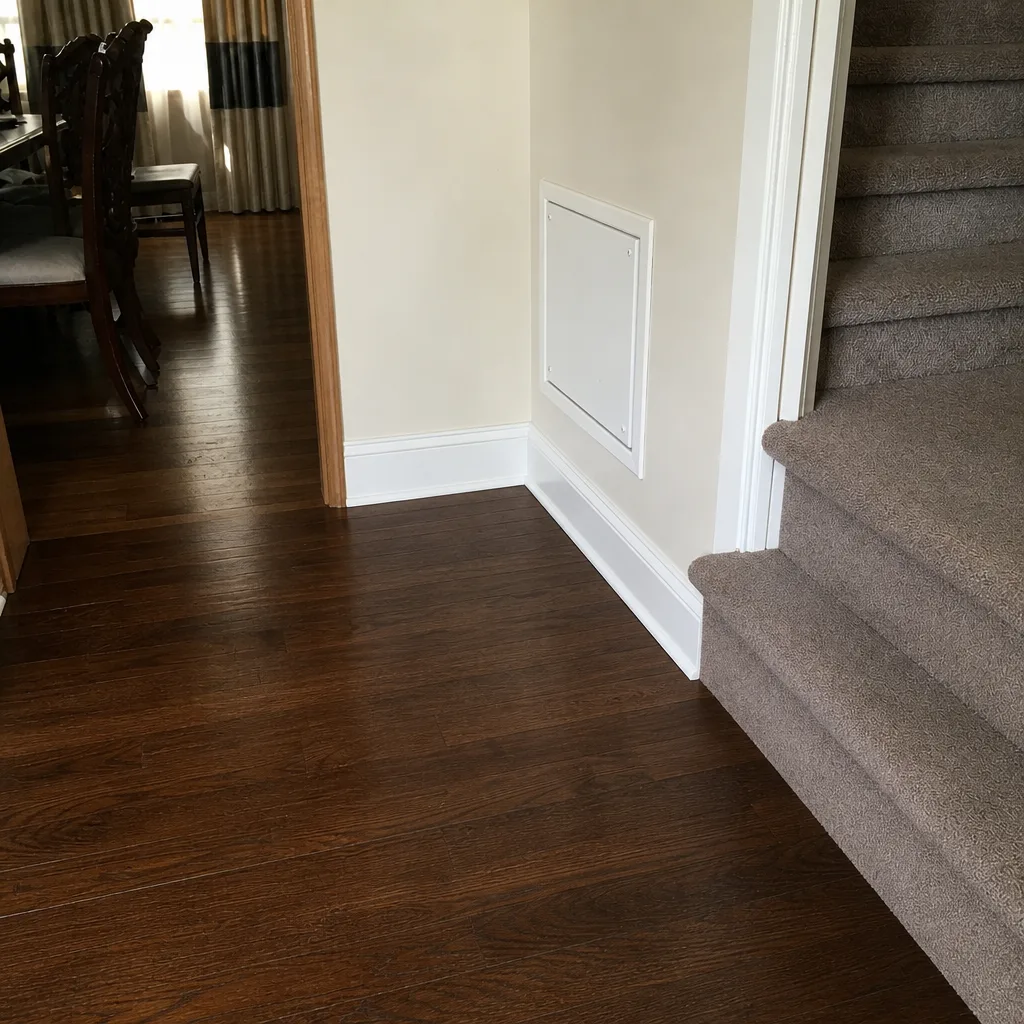 After
When to Call a Professional
Call a professional when you see heavy buildup at multiple registers, when your ducts haven’t been cleaned in three or more years, or when anyone in the home has persistent allergies that seem tied to the HVAC system. Call if you’ve had smoke exposure during fire season, if the system smells musty each time it starts, or if you notice streaks suggesting duct leaks. Call promptly for any dryer vent warning sign: slow drying, heat, or odor. And if a renovation or recent construction left drywall dust in the ductwork, a professional cleaning is the way to clear it. Yorba Linda Air Duct Cleaning Pros offers free estimates in Yorba Linda. Call (877) 523-5624. We answer 24/7. Fast dispatch from 7am to 7pm, Sunday through Friday. The local pro we connect you with is licensed and insured as their state requires, and you get one flat price per system agreed before work starts.
Frequently Asked Questions
Every 2 to 3 years for most Yorba Linda homes, with shorter intervals if you have pets, allergies, or recent renovation dust. Santa Ana wind events and wildfire smoke can shorten the interval further. Call (877) 523-5624 for a free estimate to see where your system stands.
Pricing depends on the number of systems and the condition of the ductwork, and we quote it as one flat price per system after a free estimate, not a per-vent charge. Discount quotes that look far below the rest of the market usually reflect a lighter process. Call (877) 523-5624 for an exact quote, and estimates are free.
Cheap quotes often mean cheaper equipment: a consumer vacuum pass instead of rotary brush agitation and industrial extraction, plus no inspection of duct joints or sealing. That leaves damage in place and debris deeper in the run. The flat price we quote covers the full run and photos of what came out. Call (877) 523-5624 to talk through what a complete job includes.
Ask for before-and-after photos of your own ducts, and keep the written estimate and invoice showing the price you agreed to. We provide photos as part of the service. Call (877) 523-5624 for a free estimate.
MERV 8 to MERV 11 suits most Yorba Linda homes, with MERV 11 as a good step up during smoke season and for allergy sufferers. Higher ratings can restrict airflow on many systems, so check compatibility first. Call (877) 523-5624 if you’re unsure which rating fits your system.
No. A shop vacuum can’t generate the airflow to move built-up debris through a full duct run, and it can dislodge material deeper into the system. Monthly register and return inspection is the right DIY task; the cleaning itself needs rotary brush and extraction equipment. Call (877) 523-5624 for a free estimate.
The Bottom Line
Yorba Linda’s dry climate, hot summers, and Santa Ana wind events mean your duct system loads faster than generic advice accounts for. The practical schedule: filters every 1 to 3 months depending on season, professional duct cleaning every 2 to 3 years, and a dryer vent inspection every year without exception. Add a smoke check after fire season, a five-minute monthly look at your registers, and a simple log of every visit. Match your filter rating to your system rather than reaching for the highest number, and treat duct repair and sealing as part of a complete job, not an upcharge. That’s the maintenance history that keeps your air clean and your system documented. For help building it, we’re at Yorba Linda Air Duct Cleaning Pros.
Ready to schedule a free estimate in Yorba Linda? Call (877) 523-5624. We answer 24/7. Fast dispatch from 7am to 7pm, Sunday through Friday. Our technicians have up to 12 years of experience, and we use Rotobrush rotary systems and Nikro extraction equipment on every full-system job.
Written by the team at Yorba Linda Air Duct Cleaning Pros.