
Last updated November 25, 2026
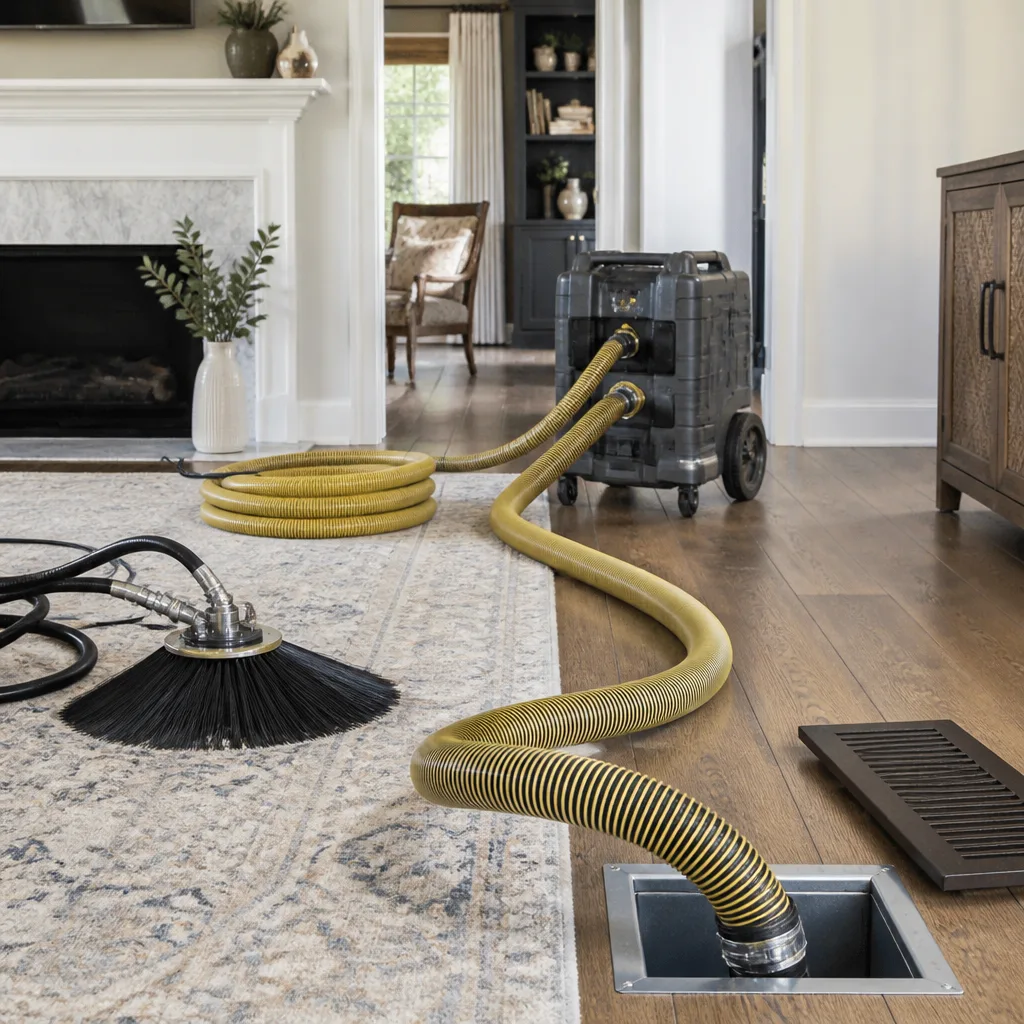 Whole-home duct cleaning
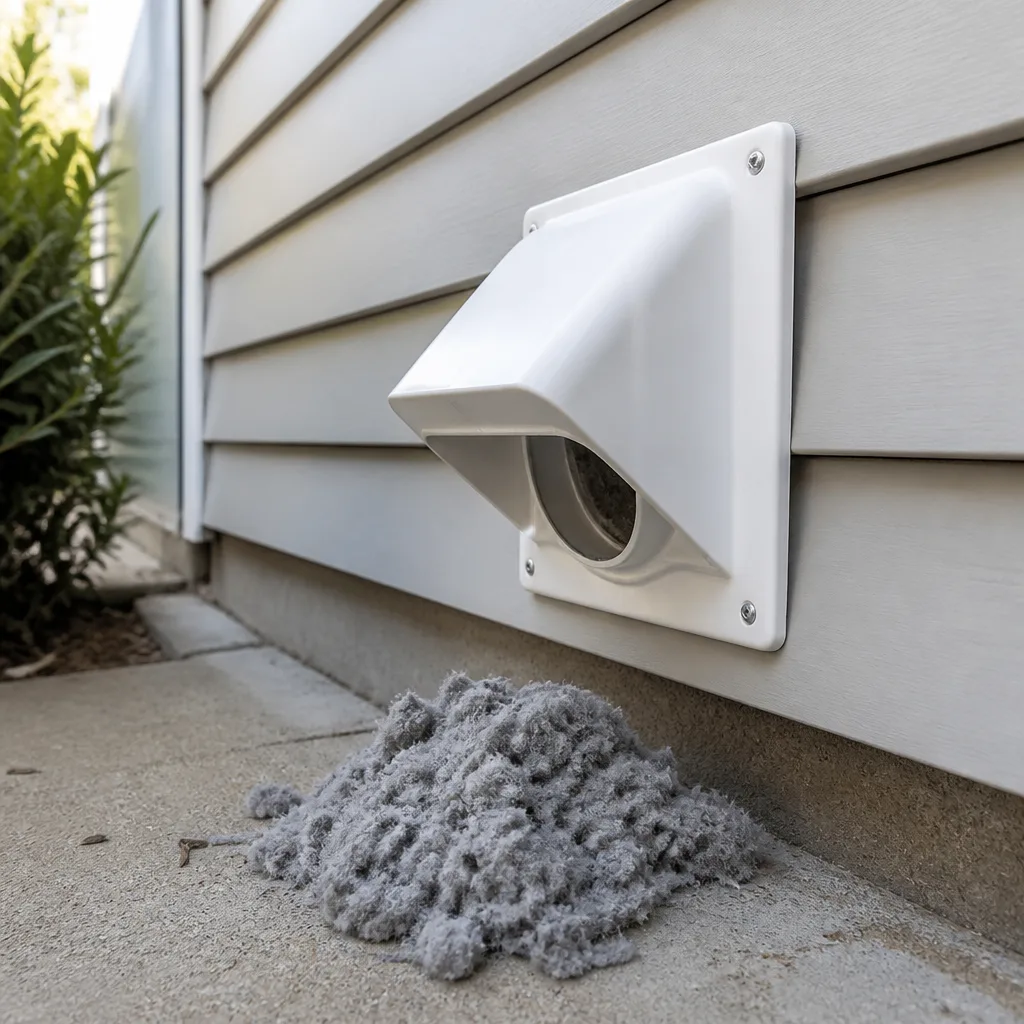 Dryer vent cleaning
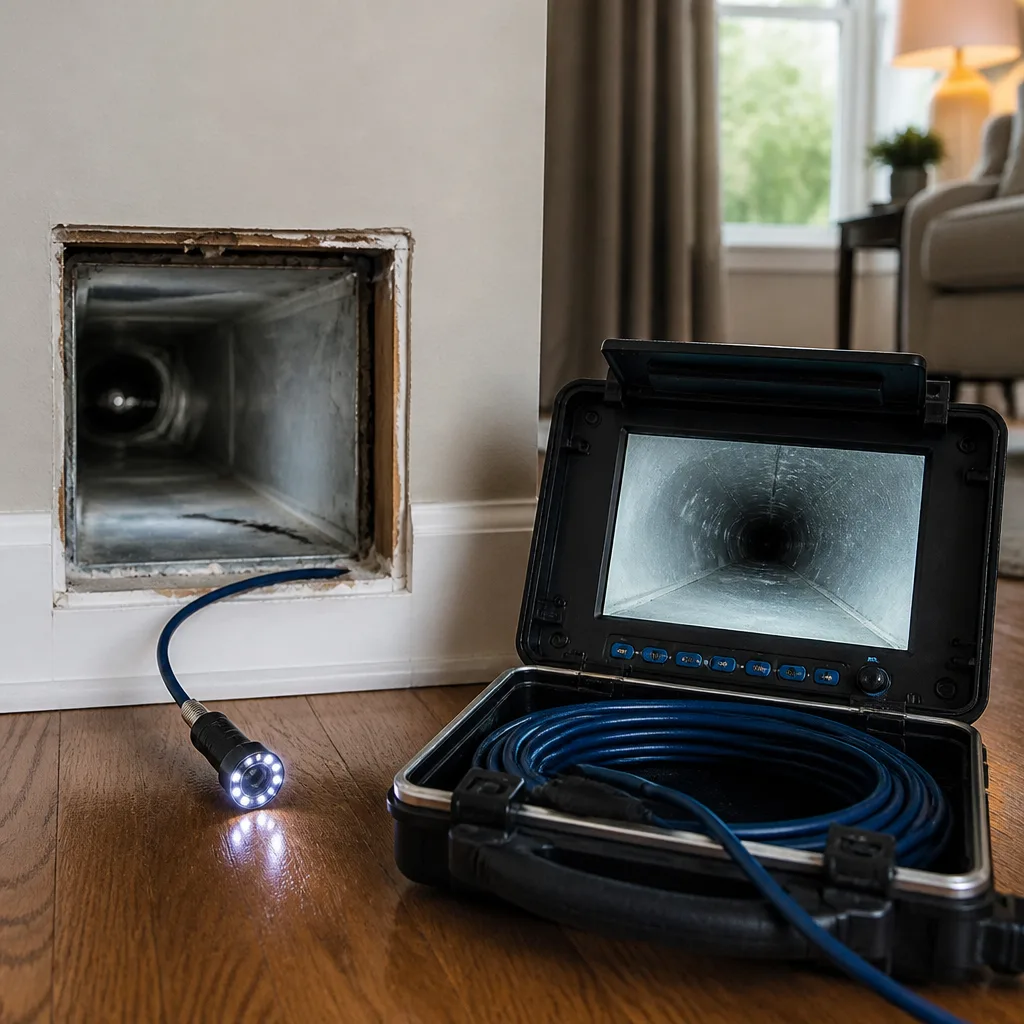 Camera inspection
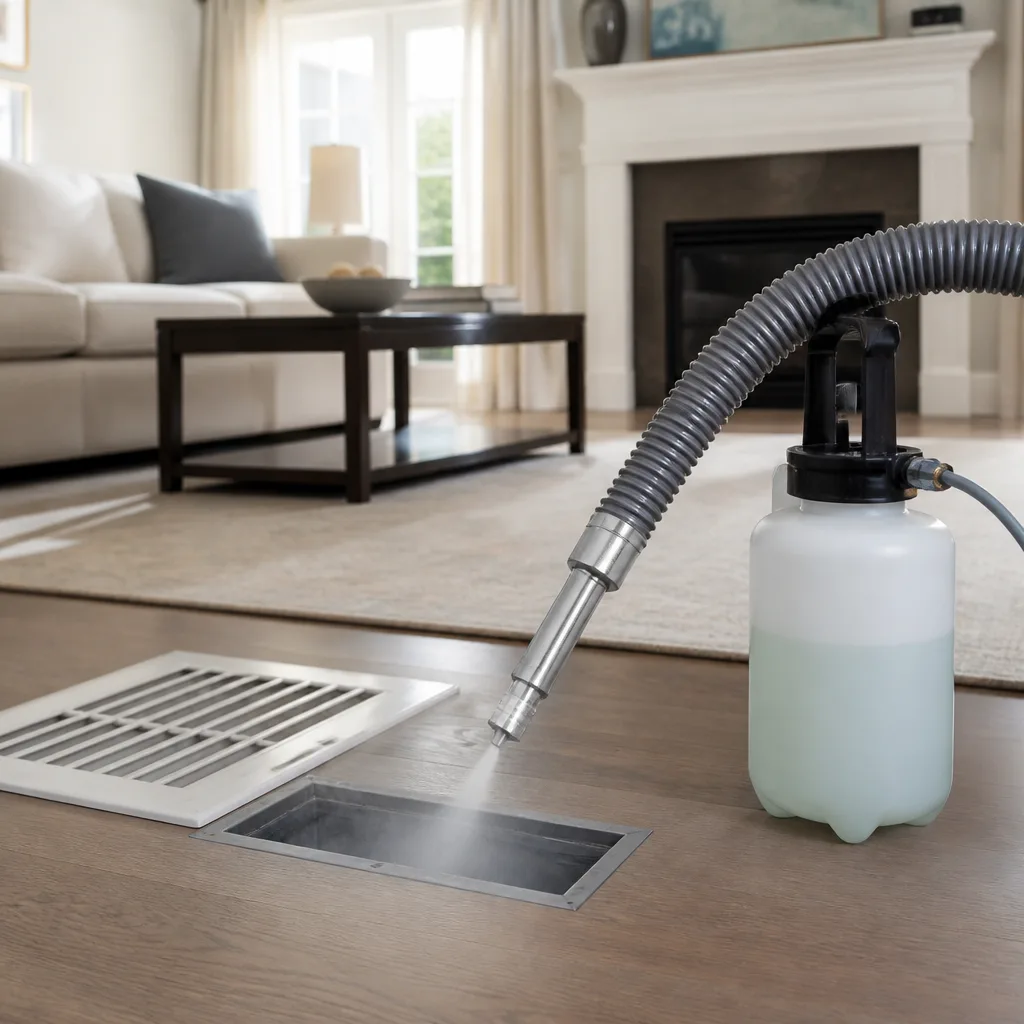 Sanitizing & deodorizing
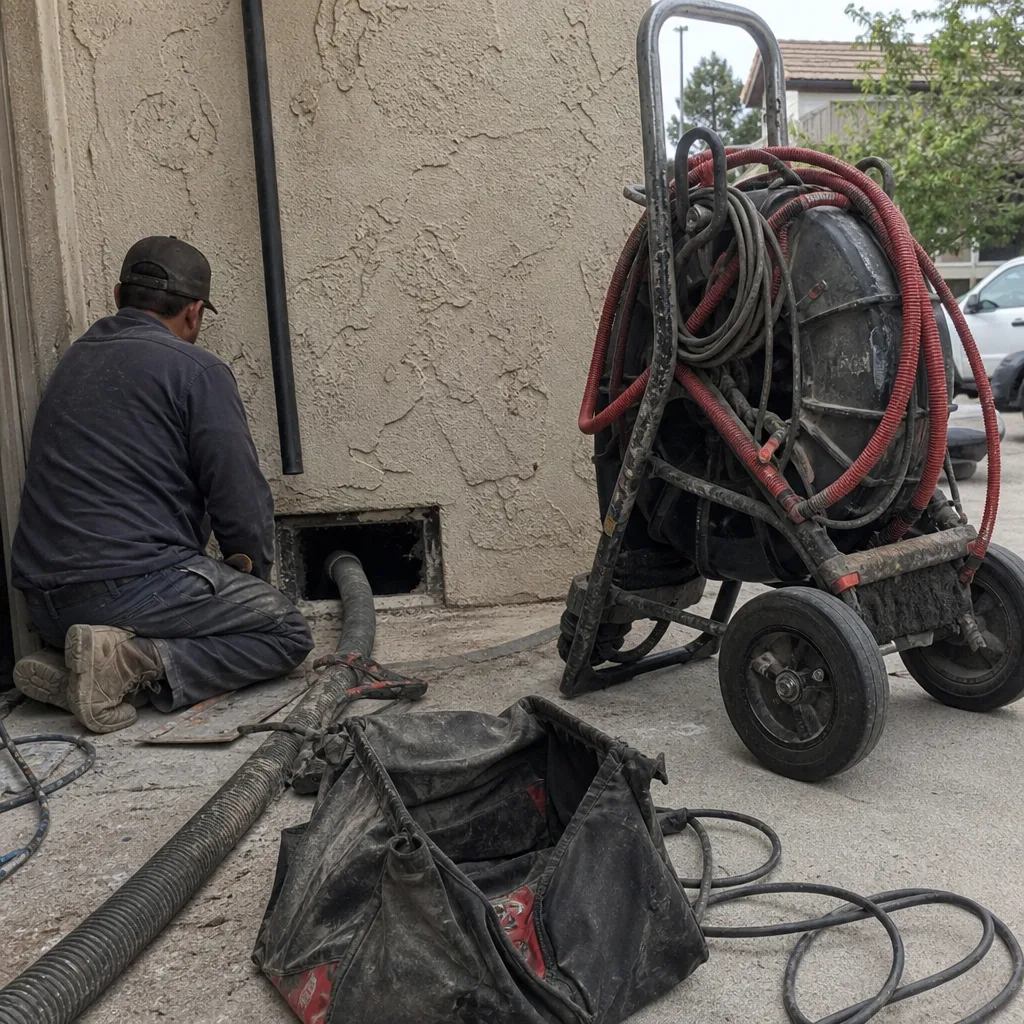
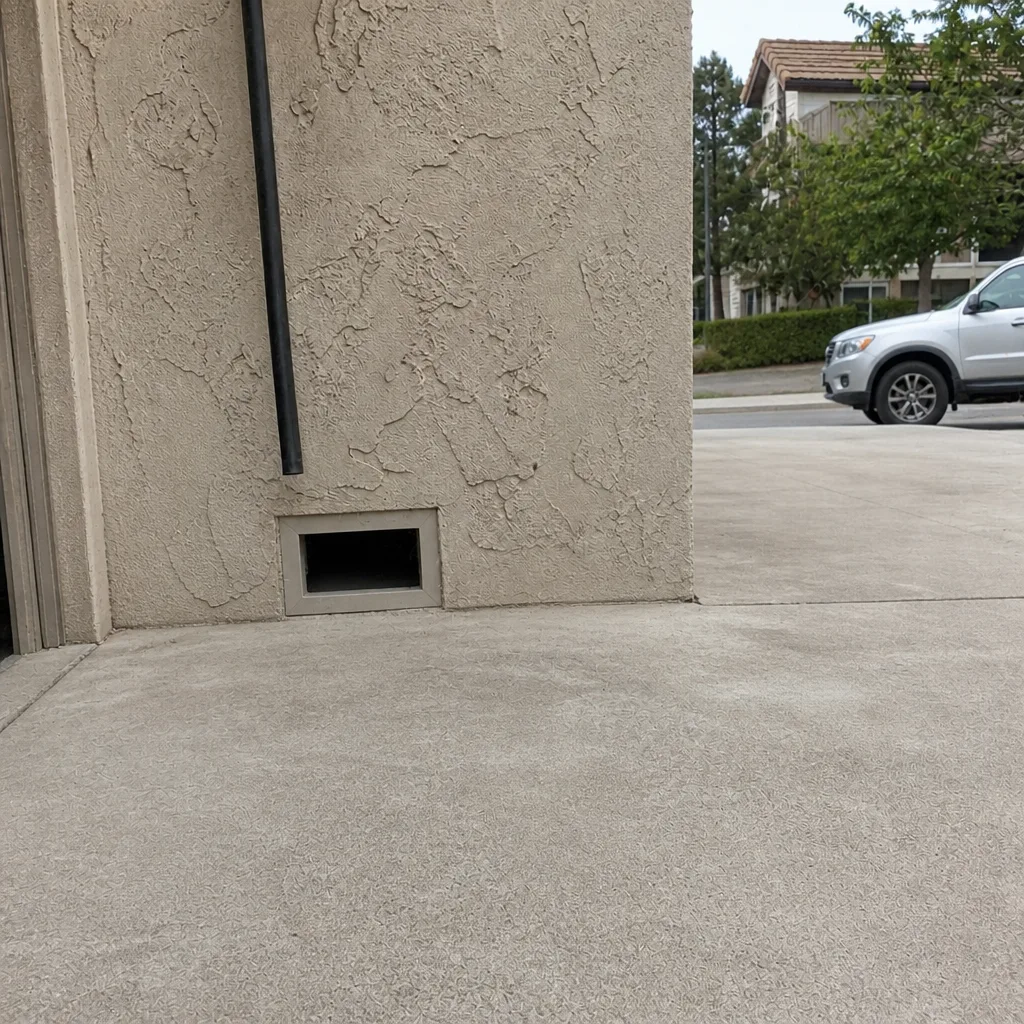
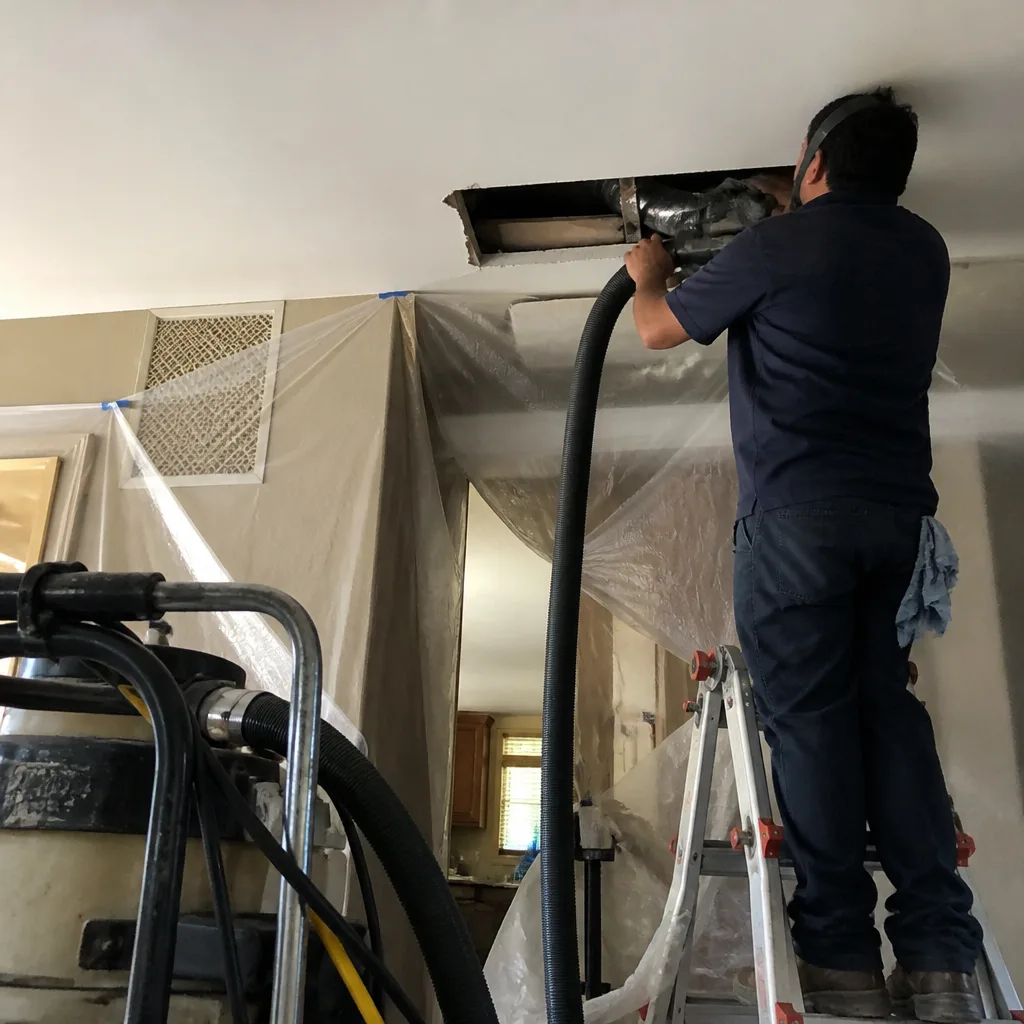
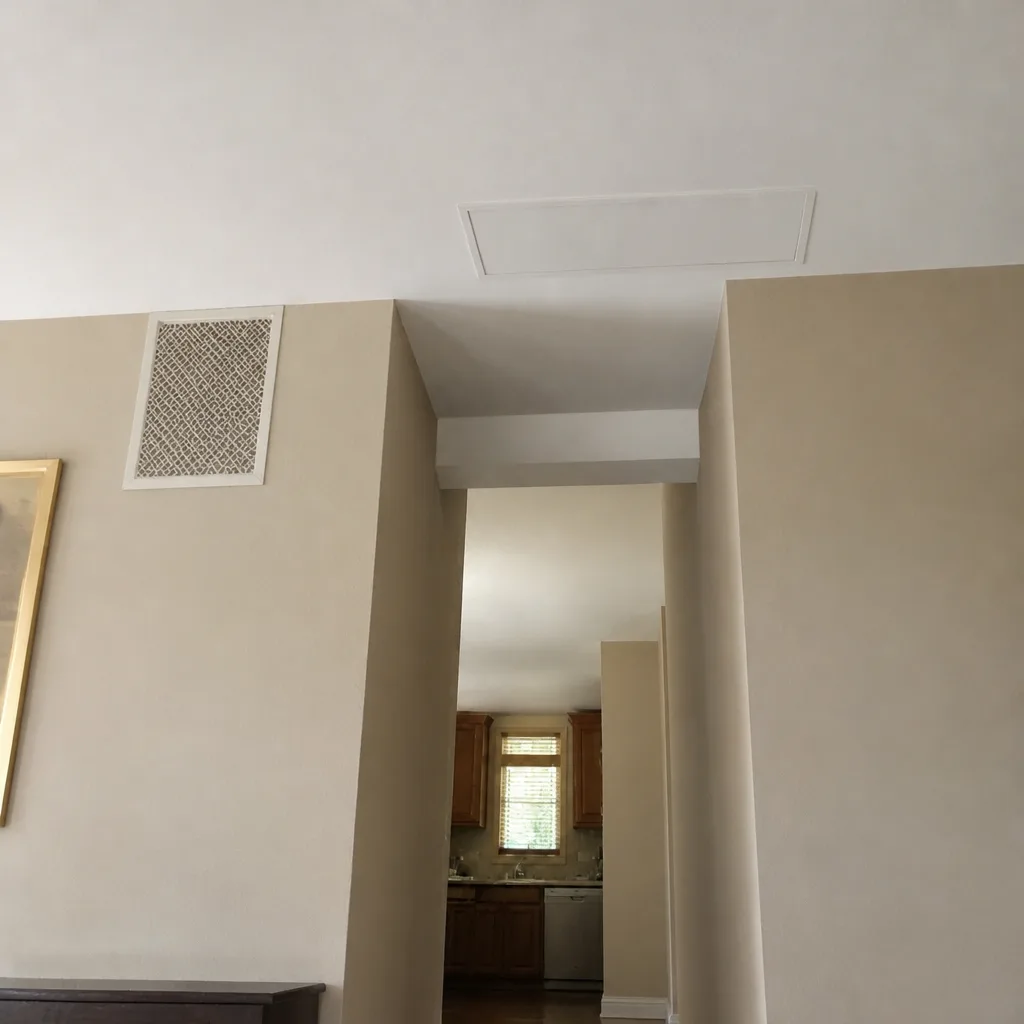
Whole-system duct and dryer vent check with before-and-after photos - you see exactly what came out of your vents
That "$99 whole-house special" is a bait ad - the real number appears once they are in your hallway, or the "clean" is a shop-vac at the register. We photograph the inside of your ducts before and after instead.
Air Duct Cleaning Permits, Codes & Inspections in Yorba Linda, CA: What You Need to Know
Most homeowners in Yorba Linda assume that anything called “duct cleaning” is a completely permit-free service, and for the narrow act of vacuuming and brushing existing ducts, that’s true. The confusion starts the moment a technician cuts a new access panel into a duct run, replaces a damaged section of flex duct, or alters any part of the HVAC system to reach the debris. At that point you’re no longer in the world of cleaning – you’re in the world of California mechanical code, and the work may require a licensed contractor and a permit from the City of Yorba Linda. This guide walks through exactly where that line sits, which jurisdiction to contact, what an inspection actually looks for, and how California’s Title 24 energy standards apply to duct sealing done during a routine cleaning visit.
Quick Answer
Cleaning existing air ducts in Yorba Linda does not require a permit. But the moment a company cuts new access panels, replaces duct sections, or modifies HVAC components, California Mechanical Code Section 601 and City of Yorba Linda permitting rules apply, and the work generally must be performed by a licensed C-20 HVAC contractor with a permit pulled through the city’s building department. Duct sealing performed as part of a cleaning service must also meet California Title 24 leakage standards to be compliant.
Styles & brands we work with
- Whole-home duct cleaning
- Dryer vent cleaning
- Camera inspection
- Sanitizing & deodorizing
Table of Contents
- Where Does the Permit Threshold Sit in California?
- Orange County vs. City of Yorba Linda: Who Do You Call?
- What a Cleaning Company Can Legally Do vs. What Requires a C-20 Contractor
- How Improper Access Panel Cuts Affect Your Duct System
- Title 24 and Duct Sealing: The Leakage Standard That Applies
- What an HVAC Inspection Actually Looks For
- How Unpermitted Duct Work Affects a Future Home Sale
- What to Ask Before You Hire Anyone
Where Does the Permit Threshold Sit in California?
The line between a permit-free cleaning and a permitted mechanical alteration is written into California Mechanical Code Section 601, which governs the installation, alteration, and replacement of duct systems. Cleaning – the mechanical removal of dust, debris, and microbial buildup from the interior of existing ductwork – is treated as maintenance, not alteration. The duct stays the same duct. No new penetration is made, no section is removed, no component is added. That’s why a professional air duct cleaning service is not a permitted activity in Yorba Linda or anywhere else in Orange County.
The permit threshold is crossed by any of the following:
- Cutting new access panels into duct runs that didn’t have them – this is a modification to the duct system’s envelope, and the panel must be sealed to code afterward.
- Replacing or splicing duct sections, including flexible duct, rigid duct, or transitions at the plenum.
- Modifying HVAC components – rerouting a run, adding a branch, changing a register location, or installing a new return.
- Sealing work that changes the system’s airflow characteristics in a way that requires the system to be rebalanced.
Here’s the part most homeowners miss: this isn’t about permission to clean. It’s about what happens when the cleaning company decides it needs better access and cuts a hole without telling you. That hole is an alteration. And an alteration made without a permit, by someone who isn’t licensed to perform mechanical work, becomes a problem that shows up years later.
The reason Yorba Linda matters here is the housing stock. Much of the city was built during the decades when flex duct ran overhead through the attic, and those runs are frequently long, compressed, or tapped with the smallest possible access point because the original installer was working fast. A cleaning company that genuinely wants to do the job properly will sometimes need to cut a new panel. Whether that panel is cut to code, sealed to code, and permitted is the whole question.
Orange County vs. City of Yorba Linda: Who Do You Call?
Yorba Linda is an incorporated city, which means the City of Yorba Linda Building & Safety Division has jurisdiction over residential mechanical permits within city limits, not Orange County. The Orange County Planning & Building Department handles unincorporated county pockets – and while most of Yorba Linda’s residential neighborhoods sit inside the city, there are areas near the edges of town where jurisdiction can be less obvious. If you’re not sure which side of that line your address falls on, the safest bet is to call the City of Yorba Linda’s building department with your address before any duct alteration work begins.
Here’s the useful part: you don’t need to work through this yourself if you hire the right contractor. A licensed C-20 HVAC contractor pulls the permit, schedules the inspection, and coordinates with the city. A cleaning company that isn’t licensed to perform mechanical work can’t pull that permit – which means if they cut into your ducts, the permit will never exist.
We’ve seen the confusion from both sides. A homeowner gets one quote from a duct cleaner who says “no permit needed” and another from an HVAC contractor who says “that’s a mechanical alteration, we need a permit.” Both may be right depending on what’s actually going to happen during the job. The key question to ask is simple: are you going to cut or replace any part of the duct system, or are you only cleaning what’s already there?
For routine work – vacuum and brush cleaning, sanitizing, dryer vent work – no permit is involved and no inspection is required. For anything that touches the physical structure of the duct system, the City of Yorba Linda Building & Safety Division is the office to contact. Their permit counter can tell you what’s required for your specific scope in about two minutes if you have the address in front of you.
What a Cleaning Company Can Legally Do vs. What Requires a C-20 Contractor
California’s Contractors State License Board classifies mechanical work – including duct installation, alteration, and repair – under the C-20 Warm-Air Heating, Ventilating and Air-Conditioning license. That’s the license class that legally authorizes a contractor to cut into a duct system, run a new section, install a plenum, seal a joint with mastic to code, and pull a mechanical permit. A cleaning company operating without a C-20 license cannot legally perform those tasks, even if they bring a truck with a machine and a business card that says “duct work.”
What a cleaning company can do without a C-20 license:
- Clean the interior of existing ductwork with rotary brush and negative-pressure extraction equipment.
- Remove dust, debris, dander, and microbial buildup from accessible duct runs.
- Sanitize duct interiors with products designed for that purpose.
- Clean dryer vents and HVAC coils without altering the vent or coil assembly.
What requires a C-20 HVAC contractor and a permit:
- Cutting new access panels that weren’t there before.
- Replacing a section of flexible duct, rigid duct, or duct board.
- Repairing a disconnected joint, a crushed run, or a collapse at a wye fitting.
- Sealing work that changes system airflow and requires a rebalance.
- Any modification to the air handler, plenum, or register boots.
This matters because a cleaning-only operator who discovers duct damage mid-job is in an awkward position. They can’t legally repair what they found, so they either leave it alone and tell you about it, or they do the repair anyway without the license and without the permit. That second option is where a lot of the trouble starts.
Our approach is different. Because duct repair and sealing are part of our service scope, we handle the repair work properly – with the equipment and the process a licensed mechanical contractor is required to use – and we hand off to a licensed partner for the permit-pulling element when a specific job requires a C-20 permit and inspection. Not every duct repair triggers a permit under city rules, but the ones that do get treated as permits, not as informal handshakes. For broader system-level work beyond the duct itself, our HVAC cleaning service covers the equipment side, and we can flag anything that needs an HVAC contractor’s signature.
How Improper Access Panel Cuts Affect Your Duct System
Airflow in a duct system depends on the pressure balance between the supply side and the return side. Every cut, every seam, every joint that isn’t sealed affects that balance. A properly installed access panel is engineered to close that cut back to the original envelope – a gasketed frame, a sealed cover, and mastic or foil tape on the joints so the duct performs as if the cut never happened. An improper access panel is a hole with a piece of sheet metal taped over it. Sometimes it’s a hole with nothing at all.
Here’s what actually goes wrong when an access cut isn’t sealed to code:
- Pressure loss at the run. The supply duct downstream of the cut loses static pressure, which means the register at the end of the run delivers less air than it should. Rooms that used to heat or cool evenly start to feel unbalanced.
- Return-side infiltration. Cuts on the return side pull unconditioned attic air into the system. In Yorba Linda, that means hot summer attic air getting into your supply stream, which makes the HVAC work harder and drives up energy bills.
- Duct sweating and moisture. A leak in a supply duct in a warm attic creates a cold surface where condensation forms. Over seasons, that moisture degrades duct board, feeds microbial growth, and eventually causes the duct itself to fail.
- Debris reintroduction. An unsealed panel is an open door. Attic insulation dust, pest debris, and construction particles get pulled in with the return air and redistributed through the house.
- Inspection failure. When a permit was pulled for mechanical work and the inspector sees an unsealed cut, the work fails inspection until it’s corrected.
What code-compliant sealing looks like, in plain terms: a mechanically fastened panel, a gasket or mastic seal at the perimeter, mastic or approved foil tape on every joint, and a smooth interior surface that doesn’t create turbulence or a debris trap. Title 24 duct leakage standards sit on top of that – more on that next.
Title 24 and Duct Sealing: The Leakage Standard That Applies
California’s Title 24 energy code sets duct leakage standards for any duct system that’s altered, replaced, or sealed as part of permitted work. The code establishes a maximum allowable leakage rate, and it’s tested through a duct blaster test – a calibrated fan that pressurizes the duct system and measures how much air escapes. That test is not something a cleaning company with a shop vacuum can run. It requires specific equipment and a contractor who knows how to interpret the results.
For a typical Yorba Linda homeowner, Title 24 matters in three situations:
- Duct replacement or new duct installation: Title 24 leakage standards apply to the new system. The contractor must seal and test to verify compliance.
- Significant duct sealing as part of permitted mechanical work: When sealing is part of a permitted alteration, the leakage standard applies to the sealed result.
- Duct sealing performed as part of an HVAC system replacement: New equipment typically triggers Title 24 compliance, including the duct system connected to it.
Here’s the practical wrinkle. A cleaning company that offers “duct sealing” as an add-on – running mastic over visible joints as part of a cleaning visit – is doing something that may or may not count as permitted sealing depending on scope. Small-scale joint sealing performed during a maintenance visit generally does not trigger a permit. But if the sealing work is substantial enough to be an “alteration” under the mechanical code, it falls under Title 24 and needs to be tested. A homeowner who doesn’t know the difference ends up with sealing work that was never verified against a leakage standard, and nobody can demonstrate it was done to code.
If duct sealing is what your system needs, ask the company offering it two questions: are you licensed to perform mechanical work, and will the sealing work be tested against Title 24 leakage standards? If the answer to either is no, you’re looking at work that might look fine on the day but won’t hold up under inspection or under a home sale. When we seal ducts, we seal them to code, and we can talk through the Title 24 testing question for your specific scope upfront.
What an HVAC Inspection Actually Looks For
An HVAC mechanical inspection in Yorba Linda isn’t a spot check of whether the technician seemed competent. It’s a process with a defined scope, and knowing what an inspector looks for helps you evaluate whether the work you paid for will hold up. Here’s the sequence a typical residential mechanical inspection follows:
- Permit and scope verification. The inspector reviews the permit and confirms the work performed matches the scope described on the application. If the scope was “replace 20 feet of supply duct,” the inspector looks for exactly that.
- Access panels and enclosure. Every access panel is checked for mechanical fastening, a gasket or approved seal, and code-compliant closure. An unsealed cut fails here.
- Joint sealing. Joints are checked for mastic or approved foil tape, and for tape that’s been properly installed rather than slapped on with the adhesive backing still on the wrong side.
- Support and routing. Duct runs are checked for proper support spacing, no sagging, no crushing against framing, and no penetrations of the duct envelope from nails or staples.
- Leakage testing when applicable. For permitted duct work that triggers Title 24 compliance, the inspector confirms the duct blaster test result meets the code maximum.
- Clearance and connections. Connections at the plenum and air handler are inspected for proper attachment, and the equipment is checked against the manufacturer’s installation requirements.
Most of what we see in Yorba Linda homes that fails inspection traces back to one of two things: an access panel that was cut and sealed informally, or duct tape used where mastic was required. Neither of those is complicated work, but both are the kind of corner that gets cut when a cleaning company decides to do a repair they aren’t licensed to perform. The inspection is where that shows up – if it shows up at all.
How Unpermitted Duct Work Affects a Future Home Sale
In California, unpermitted work on a home is disclosed at the point of sale. That’s not a warning, it’s a procedural fact – the seller’s disclosure form includes a section for unpermitted work, and if the seller knows about it (or reasonably should know), it goes on the form. A buyer’s inspector who sees an unsealed access panel that isn’t on the original plans will often flag it, and the flag becomes a negotiating point.
The scenarios that come up most often in Yorba Linda homes:
- The buyer’s home inspector finds a cut without a permit. The buyer asks for a credit or a repair. The seller, who didn’t know about the cut, is now dealing with a problem they didn’t create.
- The disclosure gap costs the sale. Some buyers walk away from a house with unpermitted mechanical work rather than take on the risk. Others want a substantial credit to cover bringing the work to code, which means pulling a permit, having the work redone properly, and paying for the inspection.
- The work can’t be retroactively permitted without opening it up. Permitting existing work requires the inspector to see the work. That means replacing duct runs or re-cutting panels so the inspector can verify what’s beneath.
The frustrating part for homeowners is that this problem is almost never deliberate. A cleaning company cutting a new access panel in a Yorba Linda attic isn’t trying to create a future liability. They’re trying to reach a section of duct that doesn’t have another access point. The fix is simple: don’t let anything get cut without knowing who’s licensed to cut it, who’s pulling the permit, and who’s sealing it to code.
Before you sell – or before you hire – review your home’s mechanical permits through the City of Yorba Linda Building & Safety Division. If the file shows a mechanical permit for duct work, you have documentation. If it doesn’t and you know work was done, that’s worth resolving before it becomes a closing problem.
What to Ask Before You Hire Anyone
The questions that separate a licensed mechanical contractor from a cleaning-only operator are specific enough that you can settle it in a two-minute phone call. Here’s the list we’d recommend saving for your next call with any duct cleaning company in Yorba Linda:
- “Are you going to cut or replace any part of my duct system, or are you only cleaning what’s there?” What you want to hear: “Only cleaning, unless we find damage – and if we find damage, here’s how we handle the repair.”
- “If you do cut into the duct, who pulls the permit?” What you want to hear: a specific licensed C-20 contractor name and an acknowledgment that a mechanical permit may be required under California Mechanical Code Section 601.
- “How will you seal the access panel back up?” What you want to hear: mechanical fastening, gasket or mastic perimeter seal, mastic on joints – not just foil tape over a cut.
- “Will any duct sealing work be tested against Title 24 leakage standards?” What you want to hear: “Yes, if the scope triggers it,” along with an explanation of how the test is verified.
- “What equipment are you running?” What you want to hear: rotary brush and HEPA-filtered negative-pressure extraction – names like Rotobrush and Nikro come up in professional answers. Consumer shop vacs on a “specially designed truck” do not.
- “Do you offer duct repair and sealing as part of the same visit, or would I have to hire a separate contractor?” What you want to hear: a single team that covers the full air pathway, from cleaning to sealing to sanitizing.
We use Rotobrush rotary systems and Nikro extraction equipment, and we seal with the materials a mechanical inspection would require. When a job triggers a permit, we say so. When it doesn’t, we say that too.
Common Mistakes to Avoid
- Assuming “cleaning” and “duct repair” sit under the same permit rules. They don’t. Cleaning is maintenance. Repair is a mechanical alteration with a permit threshold. Treating them as one category is the root of most of the problems in this guide.
- Letting a cleaning company cut a new access panel without asking who’s licensed to do it. The technician on site may have every intention of doing good work, but if the company isn’t a licensed C-20 contractor, the cut is unpermitted, and the sealing may not meet code.
- Accepting foil tape over mastic. Foil tape has its uses, but at the perimeter of an access panel and on permanent joints, code requires mastic or an approved equivalent. Tape lifts over time in a Yorba Linda attic where summer heat cycles the adhesive.
- Paying for “duct sealing” without asking about Title 24 testing. If the sealing work is substantial enough to be considered an alteration, leakage testing is required under California energy code. If no one mentions the test, the sealing was likely never verified.
- Hiring the cheapest quote before asking about the license. A quote is a piece of paper. The C-20 license, the mechanical permit, and the equipment matter more than the price on the line. Ask what a “full system cleaning” actually covers and how the company plans to reach the inaccessible runs – a company that plans to cut usually charges less upfront than a company that plans to seal.
- Skipping the pre-sale permit check. Before listing a Yorba Linda home, pull the mechanical permits on file with the City of Yorba Linda Building & Safety Division. It’s a council of certainty you can only access from the seller’s seat.
- Believing “no permit needed” is a complete answer. For cleaning, it is. For anything that touches the structure of the duct system, the correct answer is “let’s confirm with the building department.” A company that says “no permit needed” without asking what the work scope is hasn’t answered the question yet.
See the difference
 Before
 After
 Before
 After
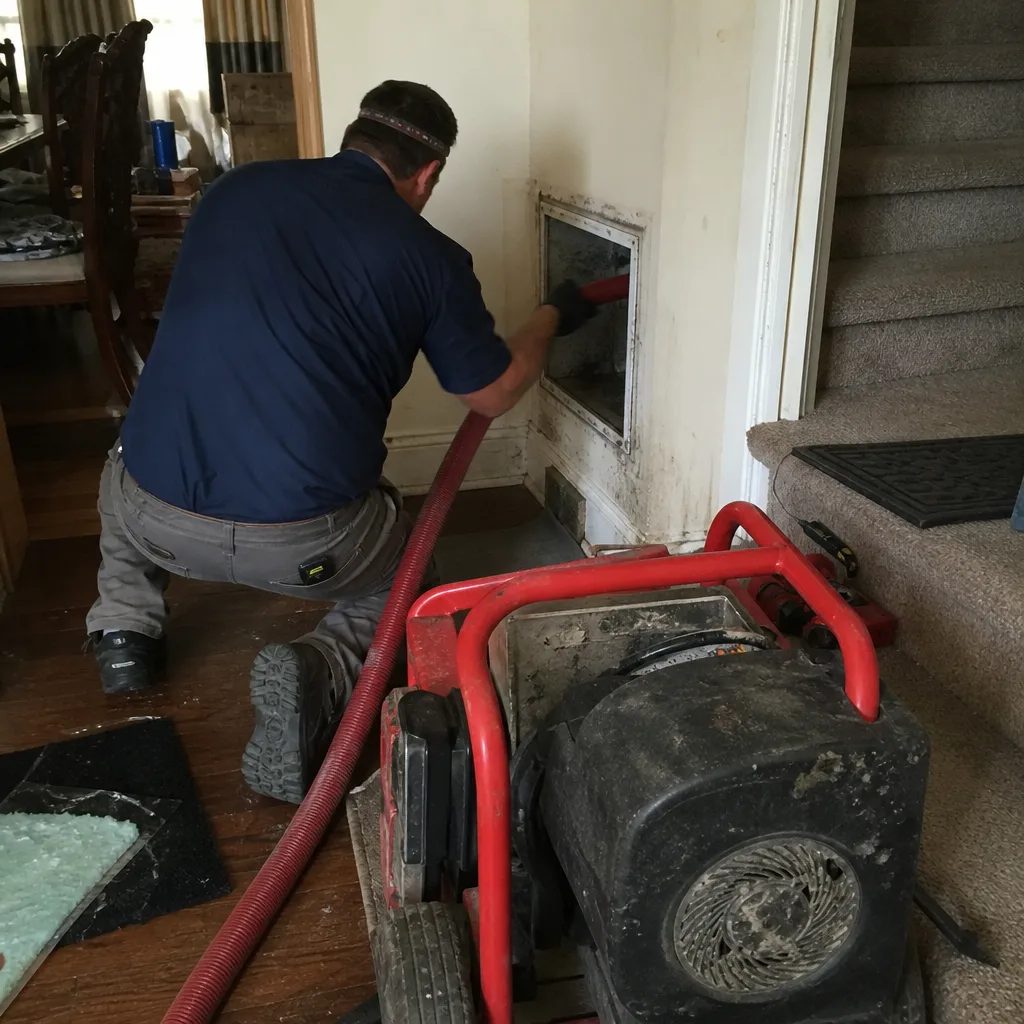 Before
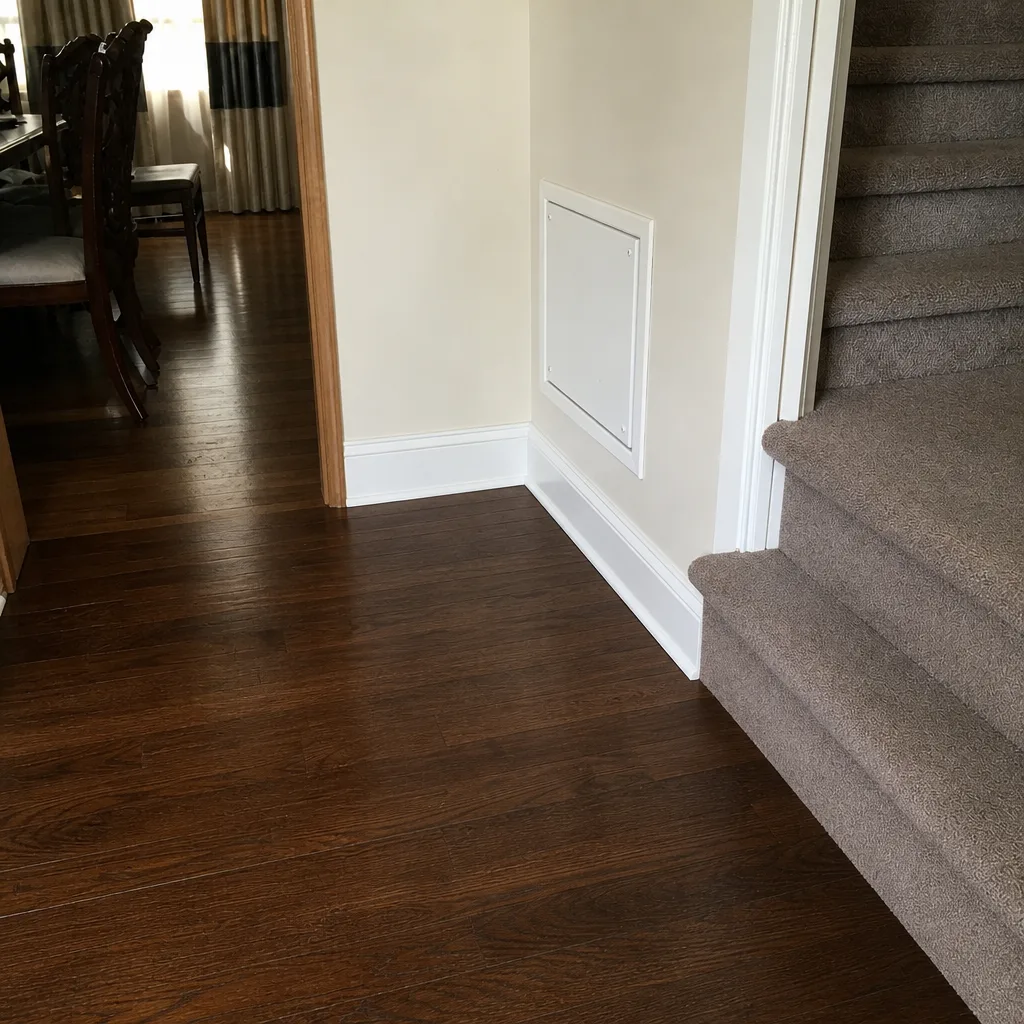 After
When to Call a Professional
Call a professional for anything involving a duct system you can’t see inside – whether that’s a suspected leak, damaged ductwork, visible debris blowing through registers, a dryer vent that’s taking longer than it should to dry a load, or an HVAC system that isn’t heating or cooling evenly across rooms. Those are the situations where the diagnosis requires equipment, and the repair may involve a permit. Call us specifically if you’re concerned about what’s circulating in your home’s air – allergens, pet dander, post-renovation dust, or microbial growth that’s been spotted in the ducts or at the registers. Yorba Linda Air Duct Cleaning Pros offers free estimates in Yorba Linda – call (877) 523-5624. We answer 24/7. Fast dispatch from 7am to 7pm. Our technicians have up to 12 years of experience and use Rotobrush and Nikro equipment on every job.
Frequently Asked Questions
No. Cleaning the interior of existing air ducts is considered maintenance under California Mechanical Code Section 601, not a mechanical alteration, so no permit is required and no inspection follows. You do not need a permit for standard air duct cleaning in Yorba Linda unless the technician plans to cut new access panels or replace duct sections. Call (877) 523-5624 for an exact quote – estimates are free.
A C-20 HVAC contractor is licensed by the State of California to perform mechanical work – cutting, replacing, and altering duct systems – and can pull mechanical permits. A duct cleaning company can clean, sanitize, and maintain existing ducts, but generally cannot legally alter the duct system itself. When duct repair is needed, the work needs a C-20 licensed contractor. Call (877) 523-5624 to talk through what your job requires.
If the address is inside Yorba Linda city limits, contact the City of Yorba Linda Building & Safety Division. Unincorporated Orange County pockets fall under the Orange County Planning & Building Department. When in doubt, call the City of Yorba Linda first – their permit counter can confirm jurisdiction by address in a minute or two. Call (877) 523-5624 if you want help reviewing your scope before you call the city.
California’s Title 24 energy code sets a maximum allowable duct leakage rate that applies when duct work is altered, replaced, or sealed as part of permitted mechanical work. Small-scale joint sealing during a maintenance cleaning generally doesn’t trigger the standard, but substantial sealing does, and it has to be verified with a duct blaster test. Call (877) 523-5624 for an exact quote on sealing work – estimates are free.
Not legally, unless they hold a C-20 HVAC contractor license. Cutting a new access panel is a mechanical alteration under California Mechanical Code Section 601, and the panel has to be sealed to code after the cut. A cleaning-only operator who cuts an access panel creates unpermitted work. Call (877) 523-5624 before any access panel is cut – we’ll walk you through the correct path.
Pull the mechanical permit history on your address through the City of Yorba Linda Building & Safety Division. If a mechanical permit was pulled for the duct work, you have documentation. If duct work was done without a permit, it likely won’t appear in the file, and a home inspector will often flag unsealed access panels or non-code joints on resale. Call (877) 523-5624 if you’d like us to review what we can see before you list.
Rotary brush systems and HEPA-filtered negative-pressure extraction equipment – Rotobrush and Nikro are the industry standards. Consumer shop vacs and improvised hose setups don’t create the suction or the mechanical agitation to remove bonded debris. Call (877) 523-5624 for an exact quote – estimates are free.
The Bottom Line
Cleaning your ducts doesn’t require a permit in Yorba Linda. Altering them does. The line between those two activities is the entire subject of this guide, and it’s worth holding onto: routine Yorba Linda Air Duct Cleaning Pros service – brush, vacuum, sanitize, dryer vent – sits on the permit-free side. Any cut, splice, replacement, or modification of the duct system sits on the permitted side, requires a licensed C-20 HVAC contractor, and is subject to Title 24 leakage standards. If a company offers duct repair without a mechanical license, that’s your signal. Ask the questions in this guide, verify the license, and get the estimate in writing before work begins. From dryer vent cleaning to full HVAC service and duct sealing, one team handles the entire air pathway, and we’ll tell you plainly whether your job is a cleaning or a permitted repair.
Call (877) 523-5624 for a free estimate. We answer 24/7. Fast dispatch from 7am to 7pm, Sunday through Friday.
Written by the team at Yorba Linda Air Duct Cleaning Pros.