
Last updated November 25, 2026
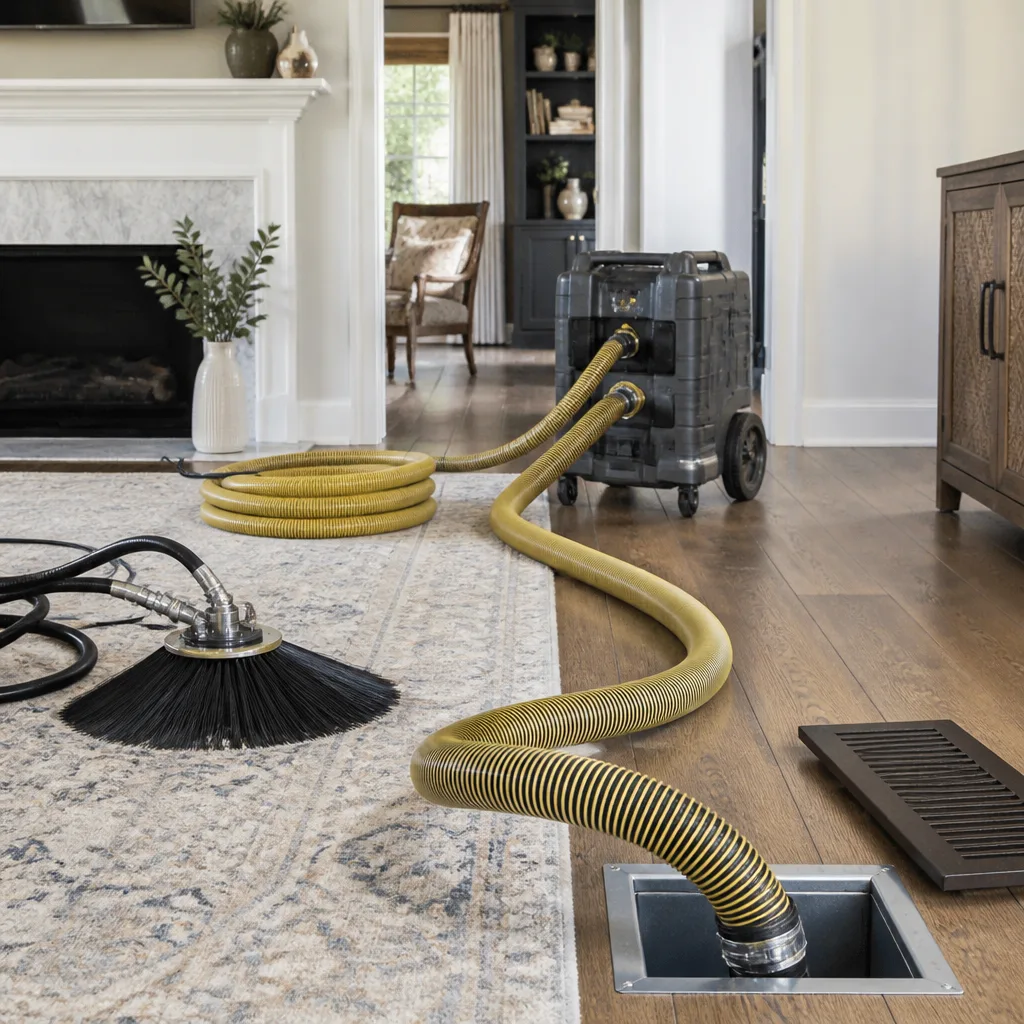 Whole-home duct cleaning
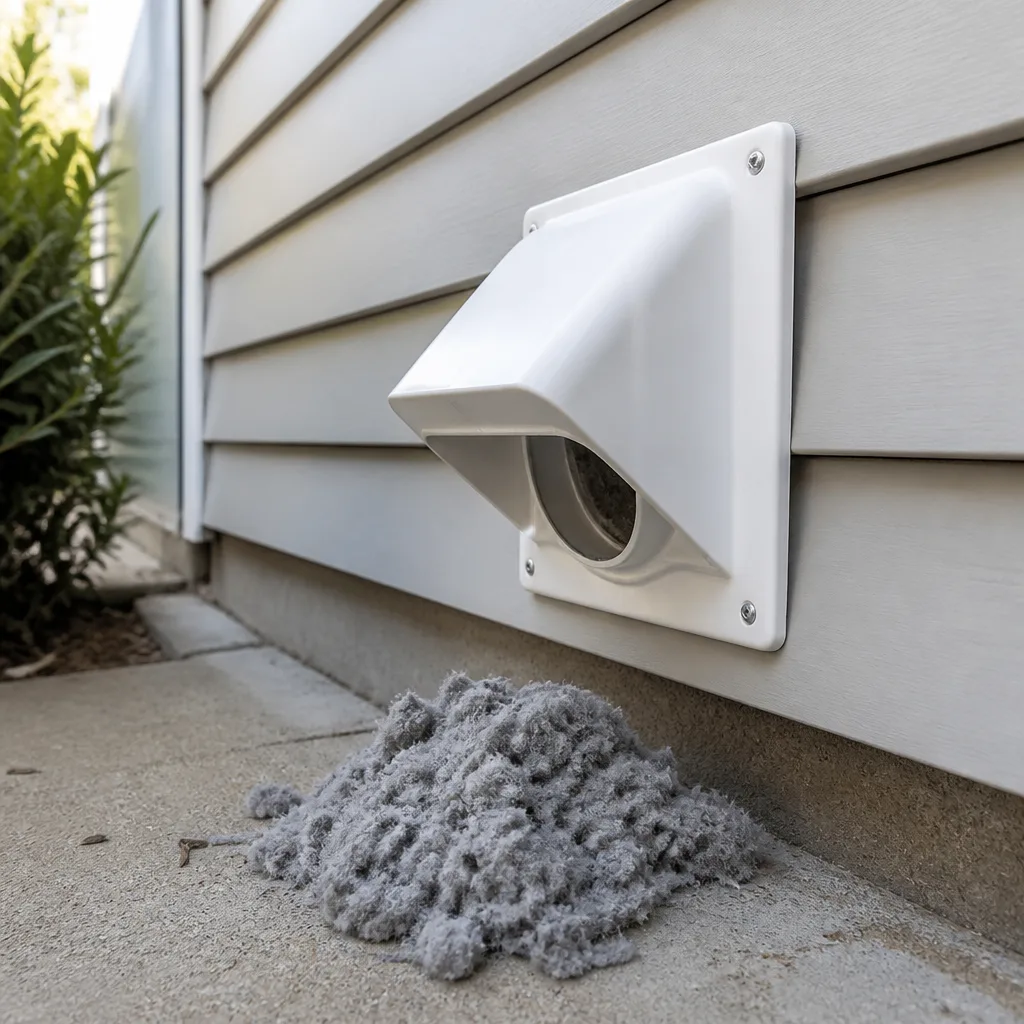 Dryer vent cleaning
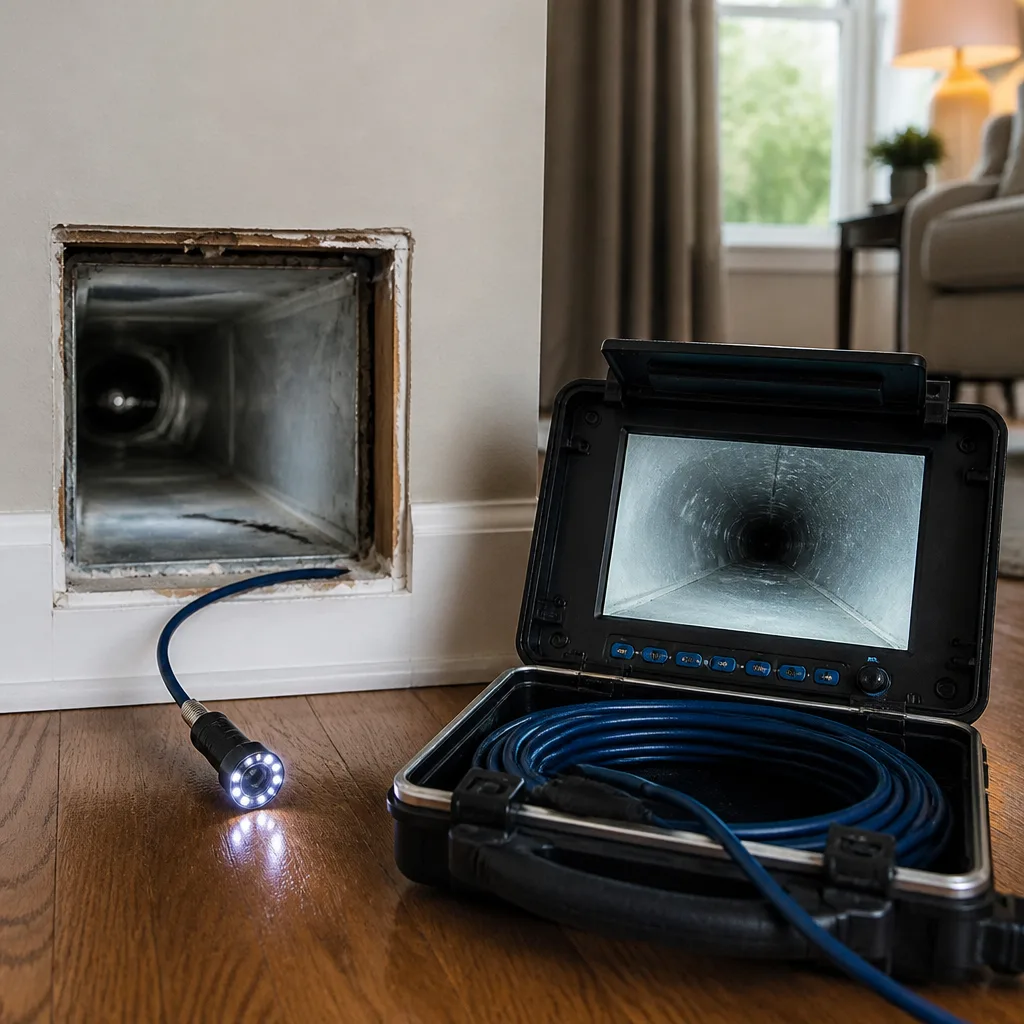 Camera inspection
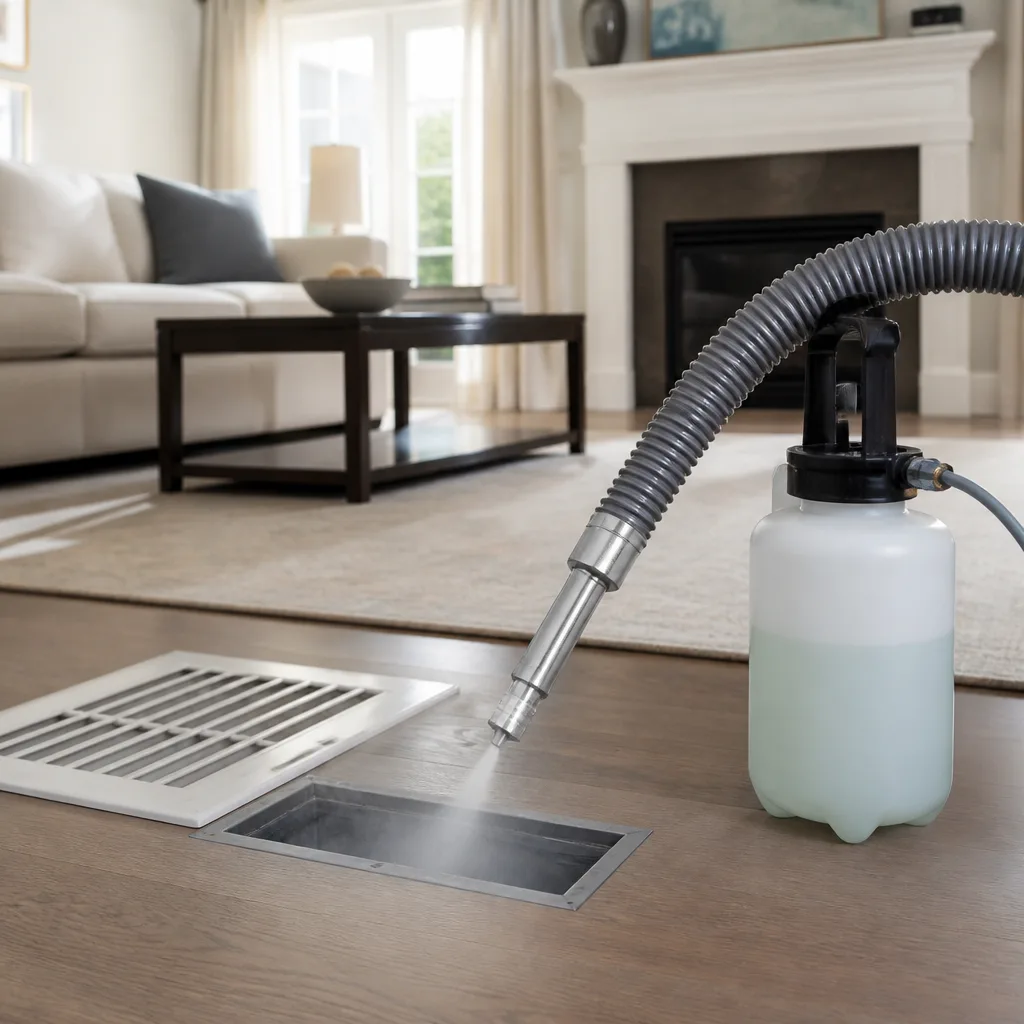 Sanitizing & deodorizing
Whole-system duct and dryer vent check with before-and-after photos - you see exactly what came out of your vents
That "$99 whole-house special" is a bait ad - the real number appears once they are in your hallway, or the "clean" is a shop-vac at the register. We photograph the inside of your ducts before and after instead.
The Complete Guide to Air Duct Cleaning in Yorba Linda
Most homeowners think of duct cleaning as one item on a maintenance checklist: call a company, they vacuum the ducts, you’re done. Here’s the problem with that picture. The ducts are only one part of an air system that includes the return plenum, the air handler cabinet, the evaporator coil, and the drain pan. Clean the ducts and skip the rest, and you’ve washed half the dishes. The contamination source stays in place, and within a few weeks the surfaces you just cleaned are coated again. This guide walks through what a full-system clean actually covers in Yorba Linda, how inland heat and wildfire smoke shape what builds up inside your ductwork, and how to verify the job was done right before you pay for it.
Quick Answer
Air duct cleaning in Yorba Linda is a full-system job, not a duct-only vacuum. A legitimate service covers supply ducts, return ducts, the plenum, the air handler cabinet, the coil, and the drain pan, ideally with a camera inspection before and after to prove the work was done. Whether you need it depends on what’s inside the system: visible dust streaking at registers, a recent renovation, pets, allergy symptoms that worsen when the HVAC runs, or a system that hasn’t been inspected in years.
Styles & brands we work with
- Whole-home duct cleaning
- Dryer vent cleaning
- Camera inspection
- Sanitizing & deodorizing
Table of Contents
- Why Yorba Linda’s Climate Creates Specific Duct Problems
- What a Full-System Clean Actually Covers
- Truck-Mounted vs. Portable Equipment: Why It Matters Here
- Why Pre-Inspection Camera Scoping Is Not Optional
- Signs Your Ductwork Needs Attention
- Duct Repair and Sealing: The Step Most Companies Skip
- How to Verify the Job Was Actually Done
- Common Mistakes to Avoid
Why Yorba Linda’s Climate Creates Specific Duct Problems
Yorba Linda sits inland enough that its summers run hotter than the coastal parts of Orange County, and its air is drier. That combination changes what ends up in your ductwork. Homes in coastal cities deal with a different mix: higher humidity, more moisture-driven mold risk, cooler average temperatures that keep HVAC systems running less aggressively. Inland Yorba Linda homes run the air conditioner harder and for longer stretches, which means more air volume moving through the same ducts and more dust pulled in through the return.
Then there’s wildfire smoke season. When smoke events roll through Southern California, the particulate load in outdoor air climbs fast. Your HVAC system pulls that air in through the return, filters what it can, and pushes the rest through the ductwork. Over the course of a fire season, and especially across multiple seasons, fine ash and soot particles settle on duct walls, on the coil, and inside the air handler cabinet. A standard filter change doesn’t remove what’s already settled.
Older Yorba Linda neighborhoods, particularly the single-story tract homes built in the 1960s and 1970s, often have original or once-replaced flexible ductwork that’s had decades to accumulate debris and develop small tears at the joints. Newer construction on the east side of town tends to have tighter, better-sealed ductwork, but that doesn’t mean it’s clean. It means the debris is concentrated differently and the system’s efficiency makes airflow problems more noticeable when they occur.
One more factor specific to this area: dust. Yorba Linda’s inland position, combined with dry Santa Ana wind events, means more airborne dust than coastal neighborhoods see. That dust enters the return, gets pulled through the system, and deposits wherever airflow slows: at elbows, at register boots, at the coil face. Knowing this is useful because it tells you where a technician should be looking first.
What a Full-System Clean Actually Covers
A duct cleaning that only touches the ducts leaves the most important part of the system untouched. If you’re trying to figure out whether a quote covers a real job or a partial one, use this checklist. A full-system clean includes all six of the following:
- Supply ducts. The ducts that carry conditioned air from the air handler to the rooms. This is what most people picture when they hear “duct cleaning.”
- Return ducts. The ducts that pull air back from the rooms to the air handler. These are often the dirtiest part of the system because they carry unfiltered air.
- Plenum. The box or transition where the ducts connect to the air handler. Debris accumulates heavily here because airflow slows at the transition.
- Air handler cabinet. The metal enclosure housing the blower and coil. If this isn’t cleaned, debris from inside it gets pulled straight back into the ducts on the next cycle.
- Evaporator coil. The coil that conditions the air. A dirty coil is both an air quality issue and an efficiency issue, and it’s usually the most overlooked component.
- Drain pan. The pan under the coil that catches condensate. It’s a common spot for microbial growth, and if it isn’t cleaned as part of the service, the job is incomplete.
When a company quotes a duct cleaning without mentioning the air handler, coil, or drain pan, they’re offering half a service. That’s not a knock on their equipment; it’s a scope decision. It’s also why some homeowners get their ducts cleaned and can’t tell the difference afterward. The contaminants that matter most were never addressed.
If you want the full air pathway treated in one visit, Yorba Linda Air Duct Cleaning Pros handles cleaning, sealing, and sanitizing as one coordinated job rather than piecemeal services.
Truck-Mounted vs. Portable Equipment: Why It Matters Here
The equipment a technician brings determines how much of the duct interior actually gets cleaned. There are two main categories, and the difference matters more than most homeowners realize.
Negative-pressure truck-mounted systems connect to the duct system via a large hose and pull a high volume of air through the ducts into a collection unit outside the home. The combination of strong negative pressure and mechanical agitation (a rotary brush or air whip) lifts loose debris from duct walls and evacuates it. This is the standard used in professional restoration and commercial work.
Portable units run at lower airflow. Some are essentially industrial shop vacuums with a hose attachment. They can remove surface dust from accessible sections, but they don’t generate enough negative pressure to pull debris from the far ends of a duct run, and they don’t agitate duct walls effectively. The result is a partial clean that looks fine at the register and leaves the rest of the duct untouched.
Yorba Linda’s housing stock makes this distinction concrete. In a single-story tract home, duct runs are relatively short and horizontal, so a portable unit can reach more of the system than it could in a larger house. But “can reach” isn’t the same as “can clean.” In a two-story Yorba Linda home, supply and return runs often span 30 to 50 feet with multiple vertical drops, and that’s exactly the configuration where portable equipment fails. Short of removing drywall, there’s no way to get a shop-vac hose to the far end of a second-story duct run; negative pressure doesn’t have that problem because it works from the air handler end.
The professional equipment standard is rotary brush and extraction systems like Rotobrush, paired with Nikro industrial cleaning equipment. That combination lets a technician agitate duct walls mechanically and pull the loosened debris out under sustained negative pressure, which is what a real clean requires. If a quote doesn’t mention the equipment, ask.
Why Pre-Inspection Camera Scoping Is Not Optional
Duct cleaning without a camera inspection is guesswork. A technician can’t see inside a sealed duct run from the outside, and the visible evidence at a register tells you almost nothing about the condition of the duct 20 feet upstream. Scoping the system before cleaning does three things:
- Confirms what’s actually inside. Dust, pet dander, construction debris, mold-like growth, and pest evidence look different on camera and require different responses.
- Locates problem areas. A scope reveals disconnected joints, crushed flex duct, and debris accumulation at specific points that a general cleaning won’t address.
- Creates a baseline for verification. Before-and-after footage is the most credible proof that the job changed anything.
What technicians look for during the inspection:
- Visible debris accumulation on duct walls, especially at elbows and transitions.
- Signs of moisture, condensation, or microbial growth near the coil and drain pan.
- Disconnected or torn duct sections, particularly at flex duct joints and register boots.
- Debris type: dry dust, construction dust, pet hair, or something that suggests a moisture problem.
- Coil condition and accessibility, which determines whether cleaning the coil is part of the same visit.
In Yorba Linda homes that have been through a renovation, the scope often shows construction dust distributed through the supply side, which is a different cleaning problem than the typical dust load. Post-renovation jobs often need more agitation and a longer extraction cycle. In some cases they also reveal duct damage from trades working around the HVAC system during the build.
Signs Your Ductwork Needs Attention
The question isn’t “when should I get my ducts cleaned” on a fixed schedule, because there’s no universal answer. The real question is whether your specific system has a condition that warrants it. These signals suggest it does:
- Visible dust streaking around supply registers or return grilles. This means dust is settling at the register face faster than the filter can handle it.
- Allergy or asthma symptoms that worsen when the HVAC runs. If symptoms improve when the system is off for an extended period, the ducts are a plausible contributor.
- Musty or stale odor when the system kicks on. This often points to the coil or drain pan, not the ducts alone, which is why a full-system clean matters.
- Recent renovation dust. Drywall dust is fine particulate and travels deep into the system. It’s not removed by a filter change.
- Pets in the home. Pet dander accumulates in the return side of the system and is not fully captured by a standard filter.
- Uneven airflow between rooms. This can signal duct damage or blockages rather than a cleaning issue, which is why duct repair and sealing matters as a companion service.
- A system that hasn’t been inspected in years. Even without obvious symptoms, an inspection is the only way to know.
Notice what’s not on this list: the vague “you should clean your ducts every X years” advice. The right interval depends on your home, your system, pets, renovation history, and how hard the system runs during Yorba Linda’s hot season. An inspection gives you an answer; a calendar doesn’t.
Duct Repair and Sealing: The Step Most Companies Skip
Cleaning a leaking duct system is a temporary fix. If the ducts have disconnected sections, torn flex duct, or unsealed joints, then the system is pulling unfiltered air from crawlspaces, attics, or wall cavities and blowing it into your living space. That air bypasses the filter entirely, and it carries whatever was in the cavity with it.
This is the capability that separates a cleaning-only company from one that actually addresses the system. Most duct cleaning operators don’t have duct repair and sealing as part of their service menu. They clean, hand you a receipt, and leave the leaking ductwork as they found it. If your ducts leak at a rate that would matter, the cleaning doesn’t hold up.
Here’s how to spot duct leaks before a technician arrives:
- Look for visible dust accumulation at duct joints, especially in the garage or attic if ducts run through those spaces.
- Check whether one room is consistently warmer or cooler than others when the system runs.
- Run the system with all registers open and listen near duct runs for whistling or hissing.
- Ask for a camera scope that shows the joints, not just the duct walls; disconnected joints are visible on inspection.
When repair and sealing are done as part of the same visit, the cleaning is permanent in a way that a cleaning-only service can’t claim. Sealing the joints closes the source. Sanitizing then treats what’s left in the system at the microbial level, using products like those from Guardsman, which goes beyond simple debris removal.
How to Verify the Job Was Actually Done
The single most common complaint in this trade is that the homeowner paid for a service and can’t tell whether anything happened. That’s a legitimate concern, and a reputable company should be able to answer it without relying on “trust us.” Here’s what to ask for before, during, and after the job.
Before work starts:
- A written estimate that specifies scope: which components are covered, and which aren’t.
- A camera inspection of at least one supply run and the return plenum.
- A clear answer on equipment: is it Rotobrush rotary equipment and Nikro extraction, or portable vacuums?
During the job:
- Containment. A professional clean uses filtration tools like those from Abatement Technologies to keep debris out of living spaces, especially when the air handler cabinet is open.
- Access. The air handler cabinet, coil, and drain pan should be accessible and visibly cleaned, not just “touched.”
After the job:
- Before-and-after photos or video. Not a generic stock photo, not a shot of a clean register grille; footage of the same duct run before and after cleaning.
- Filter condition. A fresh filter at the end of the job is standard. Airflow readings taken at registers, compared to the pre-job readings, are a useful second check.
- Coil and drain pan visual. You should be able to see that the coil face and drain pan were cleaned, not just that they exist.
If a company can’t produce before-and-after documentation of the actual duct runs in your home, that’s your answer on whether the job was complete. Ask before the work starts, not after.
Common Mistakes to Avoid
- Assuming duct cleaning means cleaning the ducts only. Any quote that doesn’t mention the air handler, coil, and drain pan is a partial service. Ask specifically what components are included, and compare scope before comparing price.
- Accepting a price that’s far below the local range without asking why. The answer is usually either a smaller scope (ducts only) or lighter equipment (portable vacuums). If the difference between two quotes is large, ask both companies what equipment they use and what components they cover.
- Skipping the pre-inspection. A company that quotes the job without scoping the system is guessing. The pre-inspection is what determines whether cleaning, repair, or both are needed.
- Cleaning ducts on a system with known leaks. If the ducts leak, cleaning is temporary, and the unfiltered air drawn in from the attic or crawlspace continues to bypass the filter. Repair and sealing should come before or with the cleaning.
- Expecting duct cleaning alone to resolve an airflow or HVAC capacity problem. Cleaning improves air quality and removes debris, but it’s not a fix for undersized ductwork, a failing blower, or a refrigerant issue. A technician should be able to tell you which problem you have.
- Not verifying with before-and-after documentation. YouTube videos and stock photos are not proof of a job done in your home. Request footage of your own ducts.
- Waiting until a wildfire smoke event has already pushed through the system. In Yorba Linda, smoke events are seasonal and predictable enough that cleaning during a cool, clear stretch of the year gives you a cleaner system before the next fire season, rather than cleaning after two seasons of accumulation. Following a smoke event, a filter change and coil inspection makes more sense than waiting.
See the difference
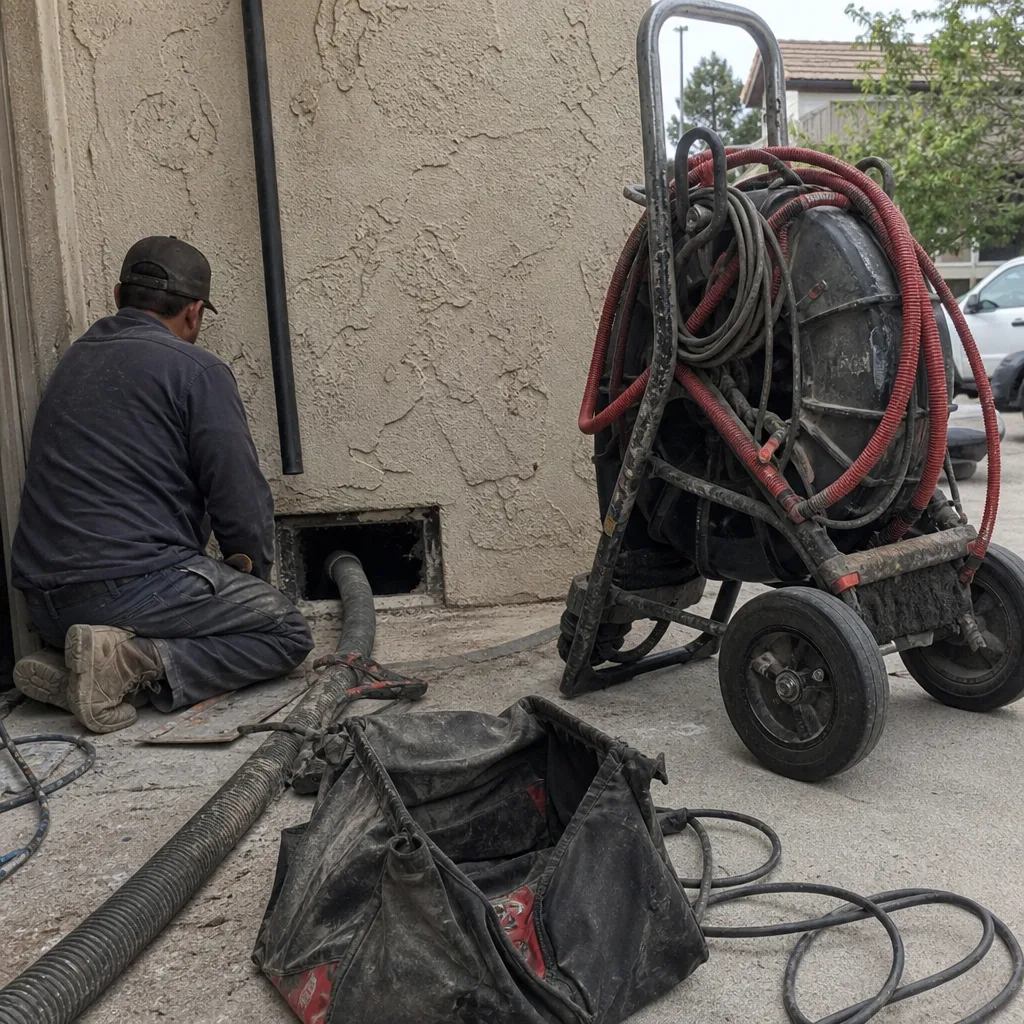 Before
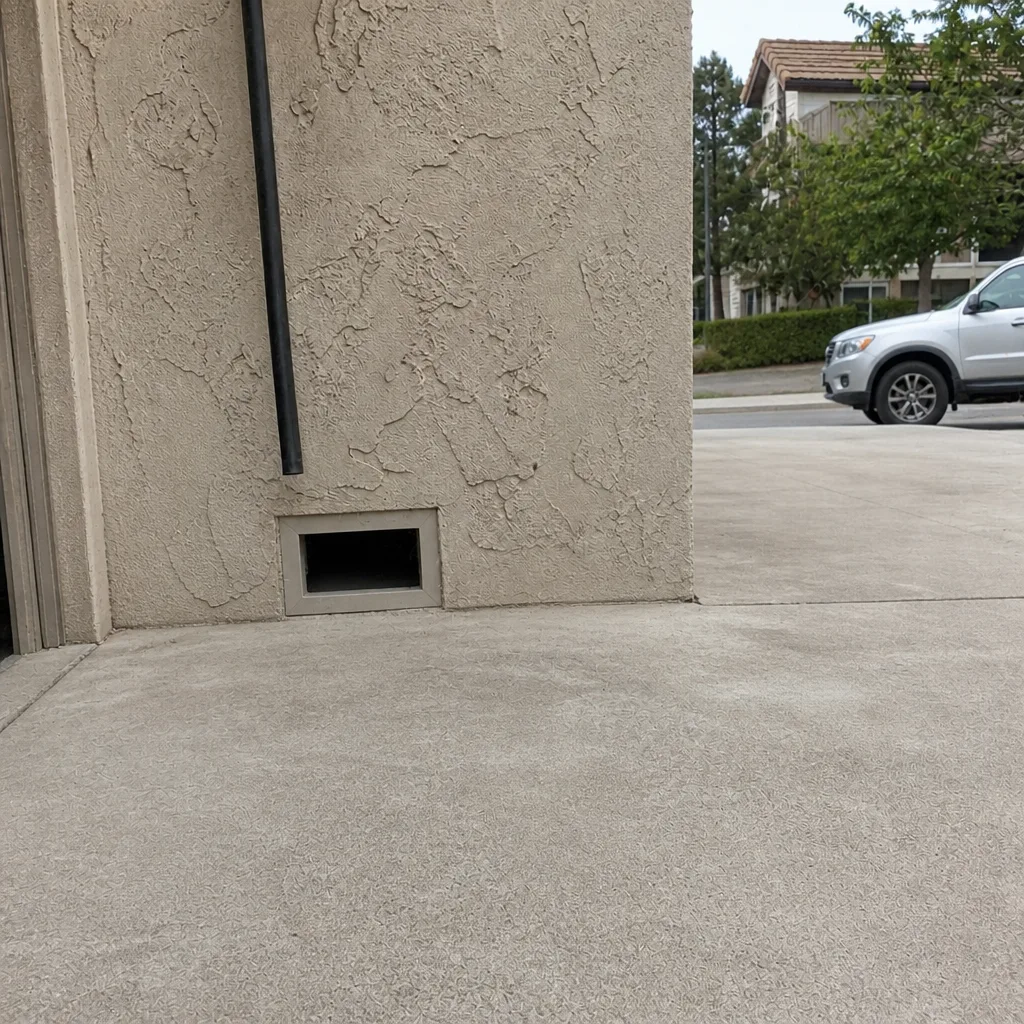 After
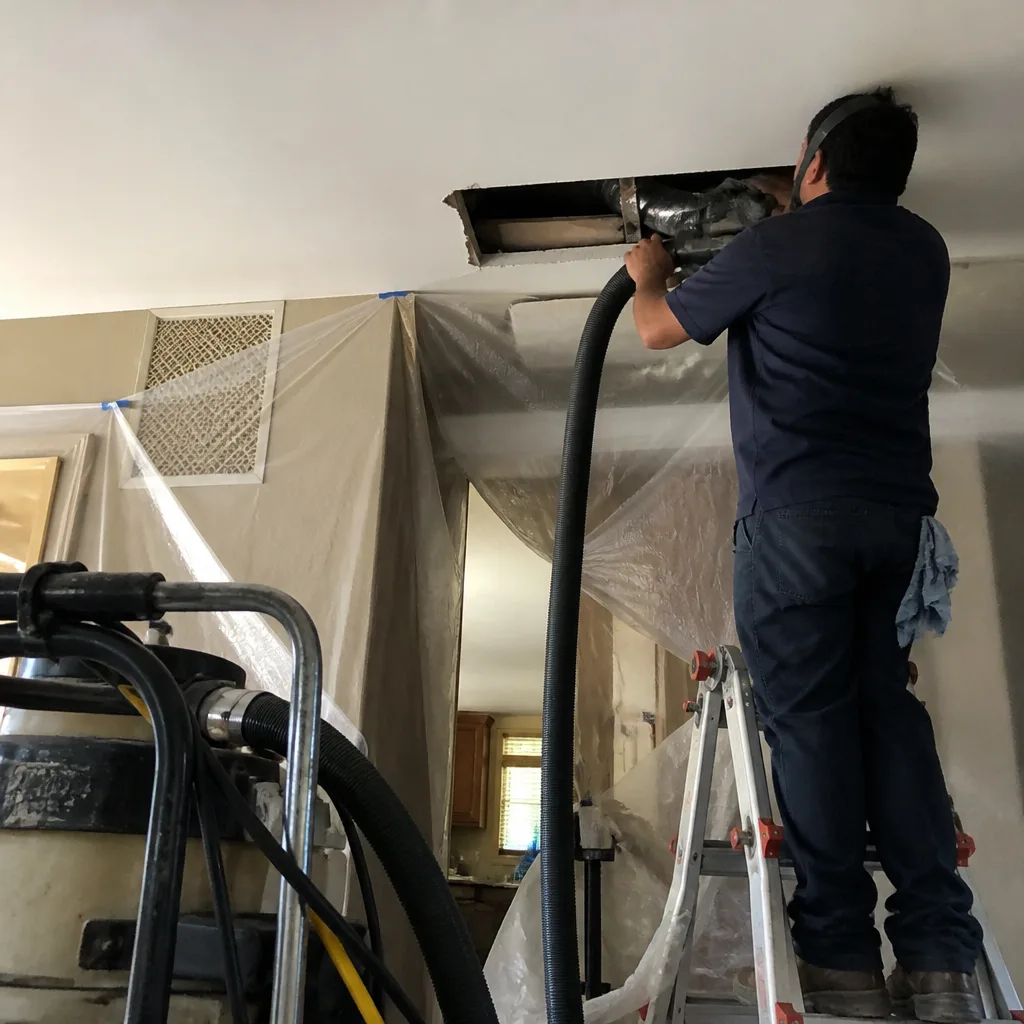 Before
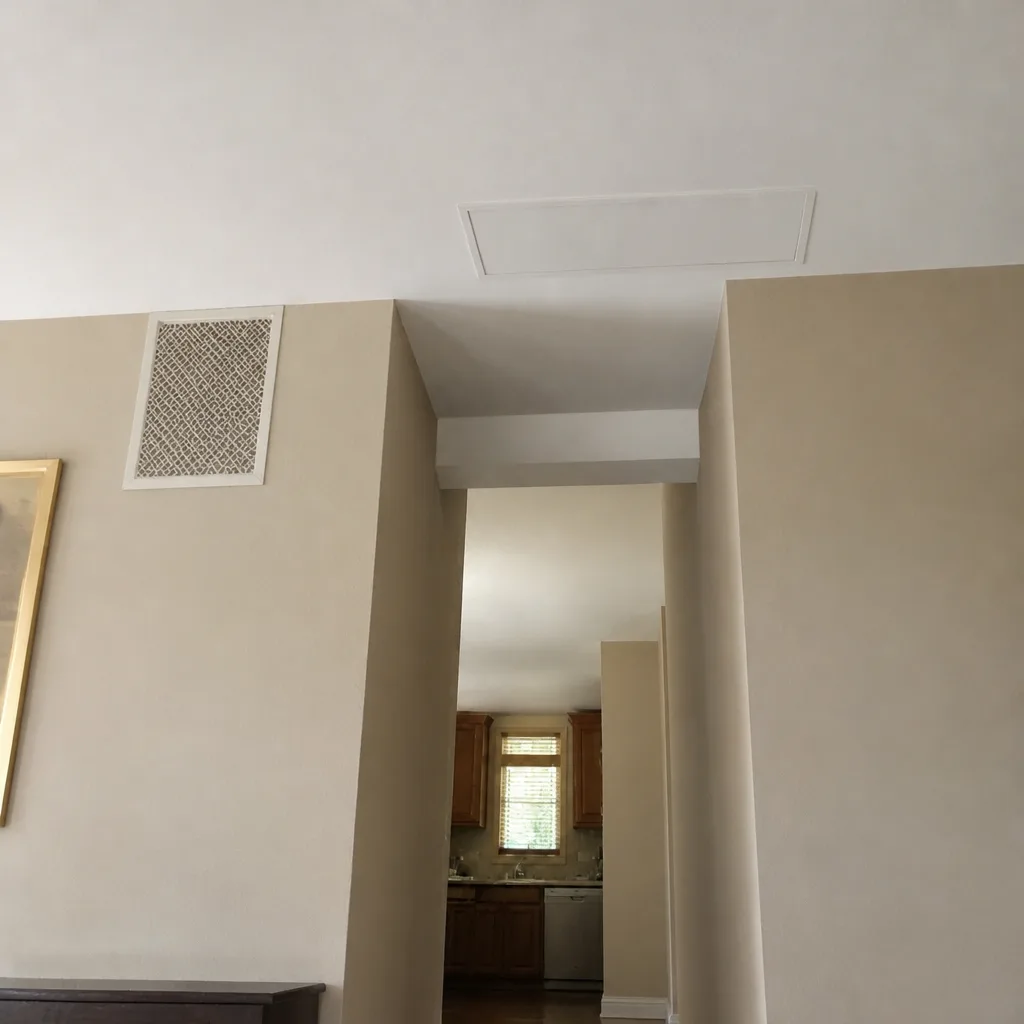 After
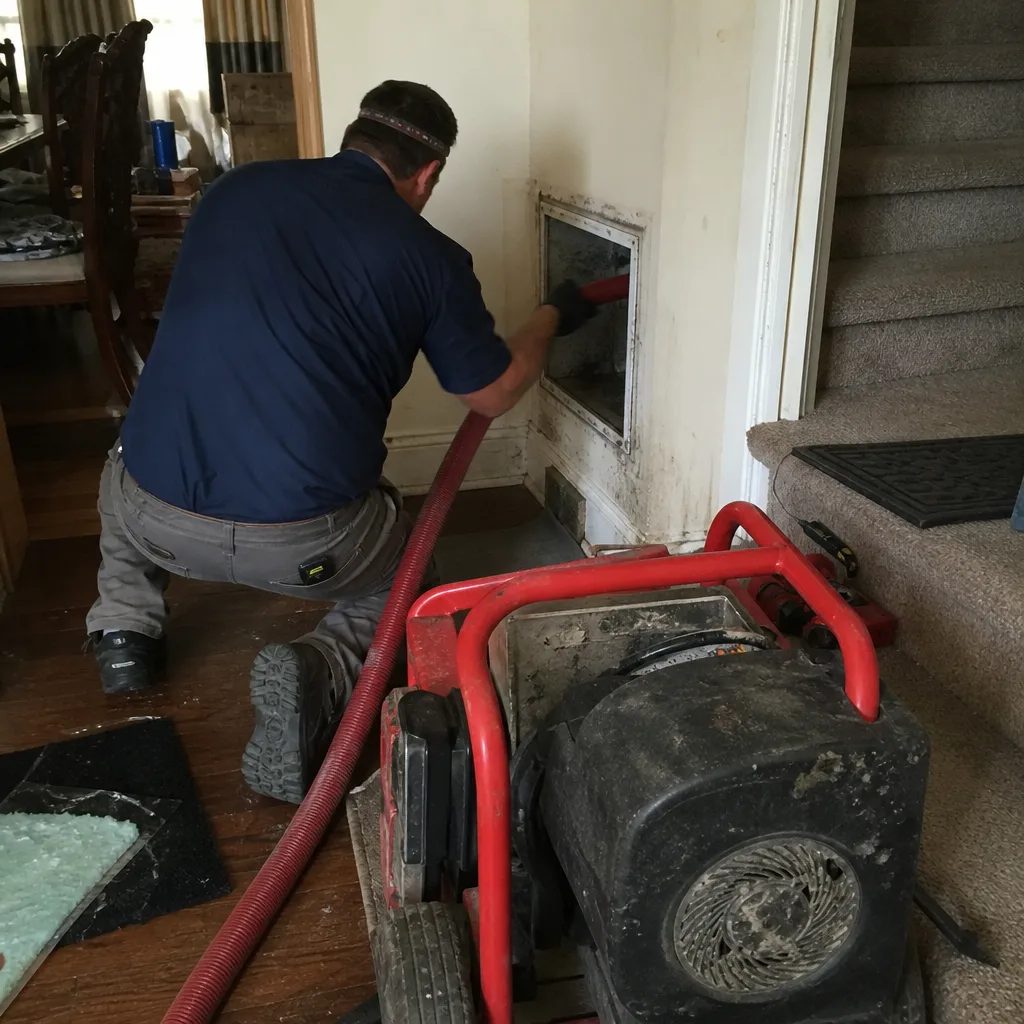 Before
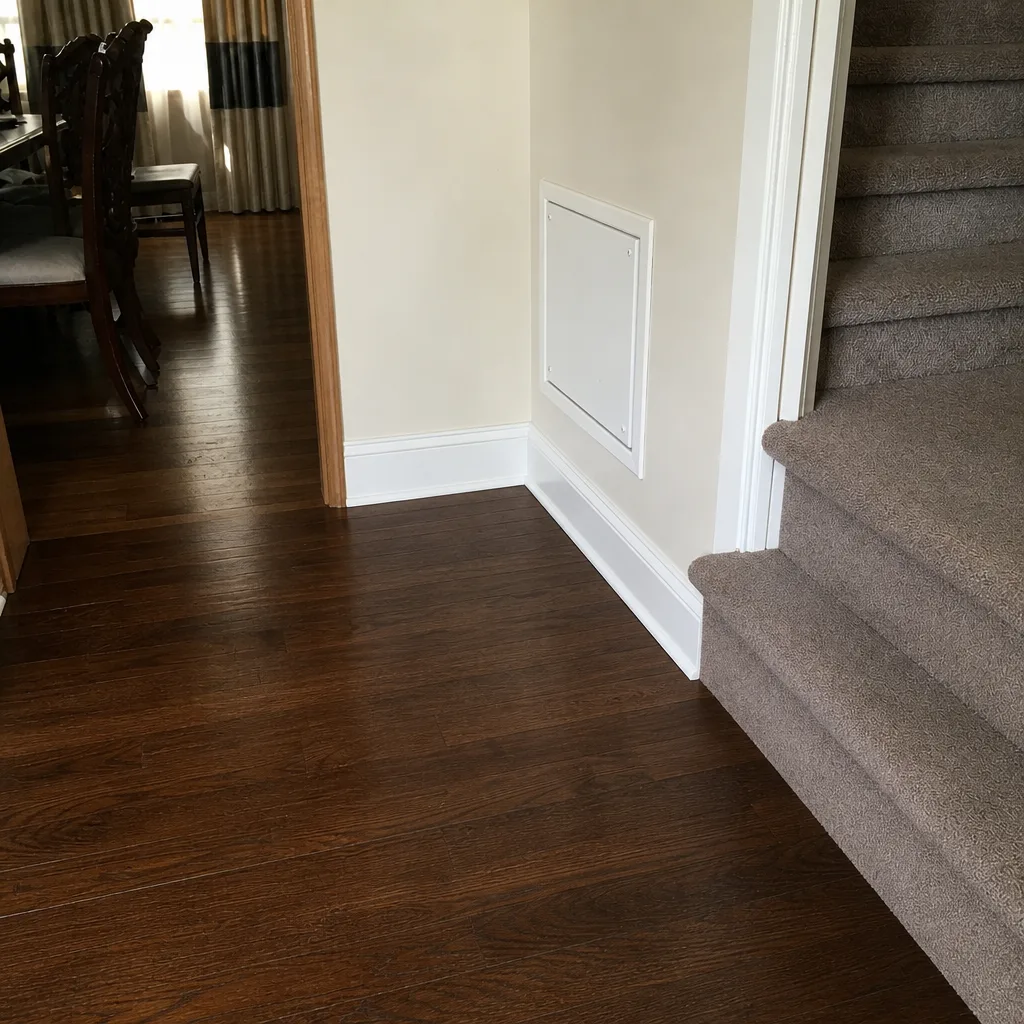 After
When to Call a Professional
Some homeowners can address minor dust with a better filter and a filter change schedule. Others need a professional inspection and clean. The line is usually clear: if the system hasn’t been scoped in years, if you’ve had a renovation, if there are pets, if allergy symptoms track with HVAC runtime, or if you’ve noticed duct damage or airflow problems, it’s time to have the system assessed. A fuel-based or gas-fired furnace with visible debris on the coil is another reason to call sooner rather than later, because debris near a combustion system is a safety concern.
If you’re on the fence, an inspection answers the question without committing you to a full clean. Yorba Linda Air Duct Cleaning Pros offers free estimates in Yorba Linda – call (877) 523-5624. We answer 24/7. Fast dispatch from 7am to 7pm, Sunday through Friday.
Frequently Asked Questions
The cost depends on the size of the system, the number of registers and returns, whether duct repair is needed, and whether the job includes the air handler and coil. A full-system clean covering the air handler, coil, and drain pan costs more than a duct-only clean, and the scope difference matters more than the price difference. The written estimate should specify every component covered and the equipment used, and the estimate sets the final price. Call (877) 523-5624 for an exact quote – estimates are free.
There’s no fixed interval; the right answer depends on the home. Yorba Linda’s inland dust and wildfire smoke seasons add more particulate load than coastal Southern California sees, so a home that runs the HVAC hard through the summer and gets smoke events in the fall will pick up debris faster than a home in a mild coastal climate. A scope inspection tells you whether the ducts actually need cleaning; a calendar doesn’t. Call (877) 523-5624 to schedule an inspection.
Most often, cheap quotes are cheaper because the scope is smaller: ducts only, no air handler, no coil, no drain pan, and portable vacuum equipment rather than truck-mounted or rotary brush systems. Sometimes the difference is legitimate (a smaller house with short, accessible duct runs), and sometimes it’s a shop-vac being sold as a professional clean. The way to tell is to ask what equipment they use and which components the quote covers.
Ask for before-and-after footage of your own duct runs, a filter change, and a look at the cleaned coil and drain pan. A company that routinely provides proof will not hesitate to show it. If the answer is “you’ll have to trust us,” request specific documentation before the job starts.
Smoke events add fine particulate to the system over time. The main defense is a good filter and a clean system; cleaning after smoke season or before the next one keeps that load from building up. If you’ve been through several smoke seasons since the last inspection, a scope and clean is worth doing.
Duct cleaning addresses the ductwork and registers. HVAC cleaning, which you can read about on our HVAC cleaning page, covers the air handler, blower, coil, and drain pan. A full-system clean does both, because cleaning ducts without the air handler leaves the contamination source in place. For a complete clean and any needed duct sealing, see our air duct cleaning service; if you’re also addressing dryer vent lint buildup, dryer vent cleaning handles a fire hazard that’s separate from the HVAC system.
The Bottom Line
Duct cleaning works when it’s a full-system job: ducts, returns, plenum, air handler, coil, and drain pan, verified with a camera scope and before-and-after footage. It doesn’t work when it’s a duct-only vacuum with a portable unit and no inspection. Yorba Linda’s inland heat, dry dust, and wildfire smoke seasons give this area’s homes a specific contamination pattern that makes the scope question more important, not less. Whether your home needs cleaning, repair, or both, ask for the inspection, ask about the equipment, and compare scope first.
Ready to know what’s actually inside your ducts? Call (877) 523-5624. We answer 24/7. Fast dispatch from 7am to 7pm, Sunday through Friday. Estimates are free, and the written estimate sets the final price.
Written by the team at Yorba Linda Air Duct Cleaning Pros.