
Last updated November 25, 2026
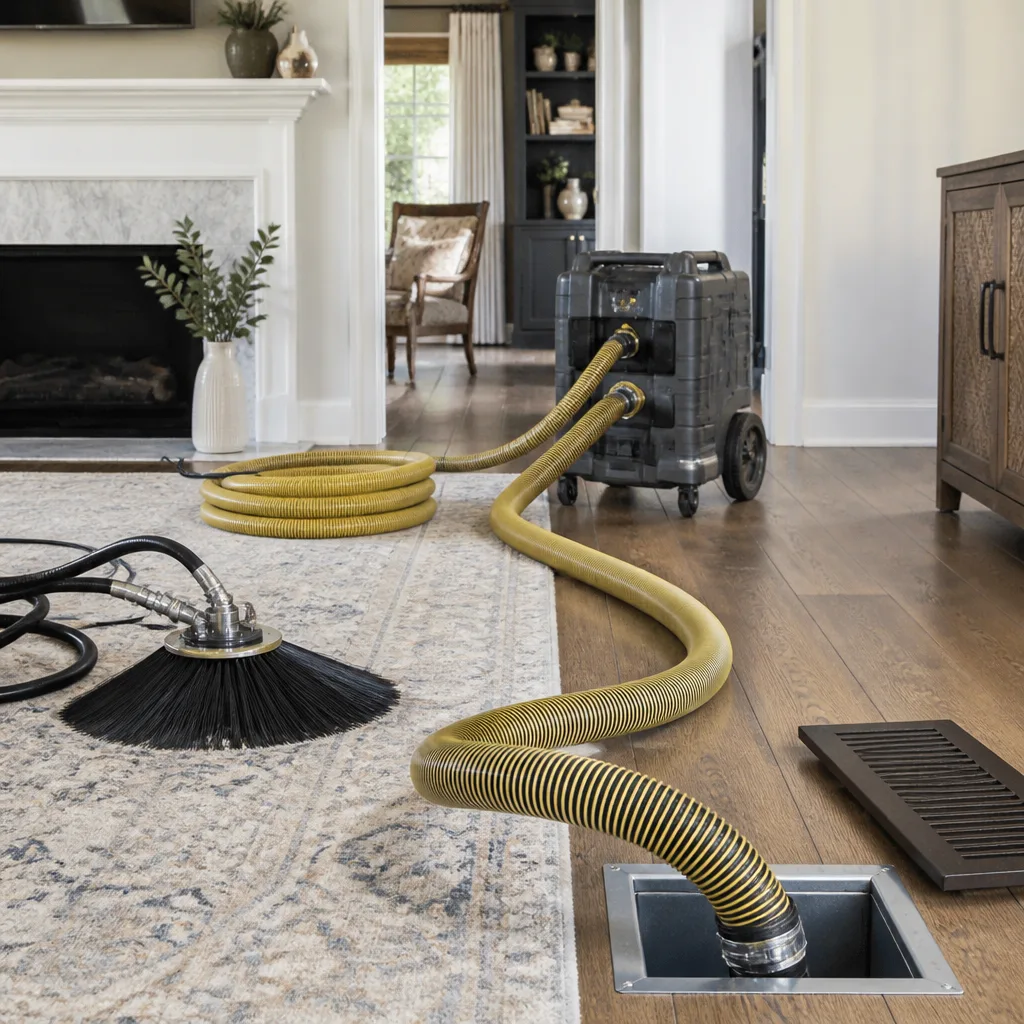 Whole-home duct cleaning
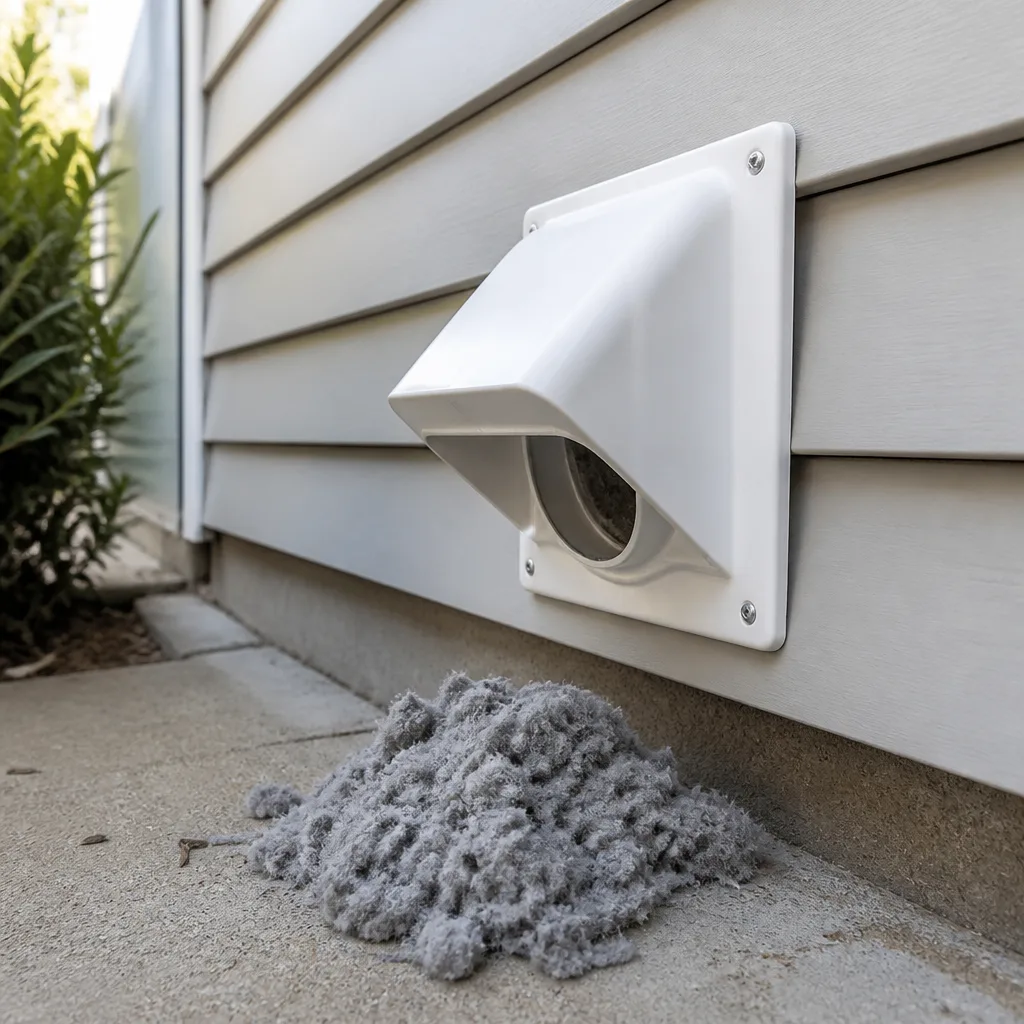 Dryer vent cleaning
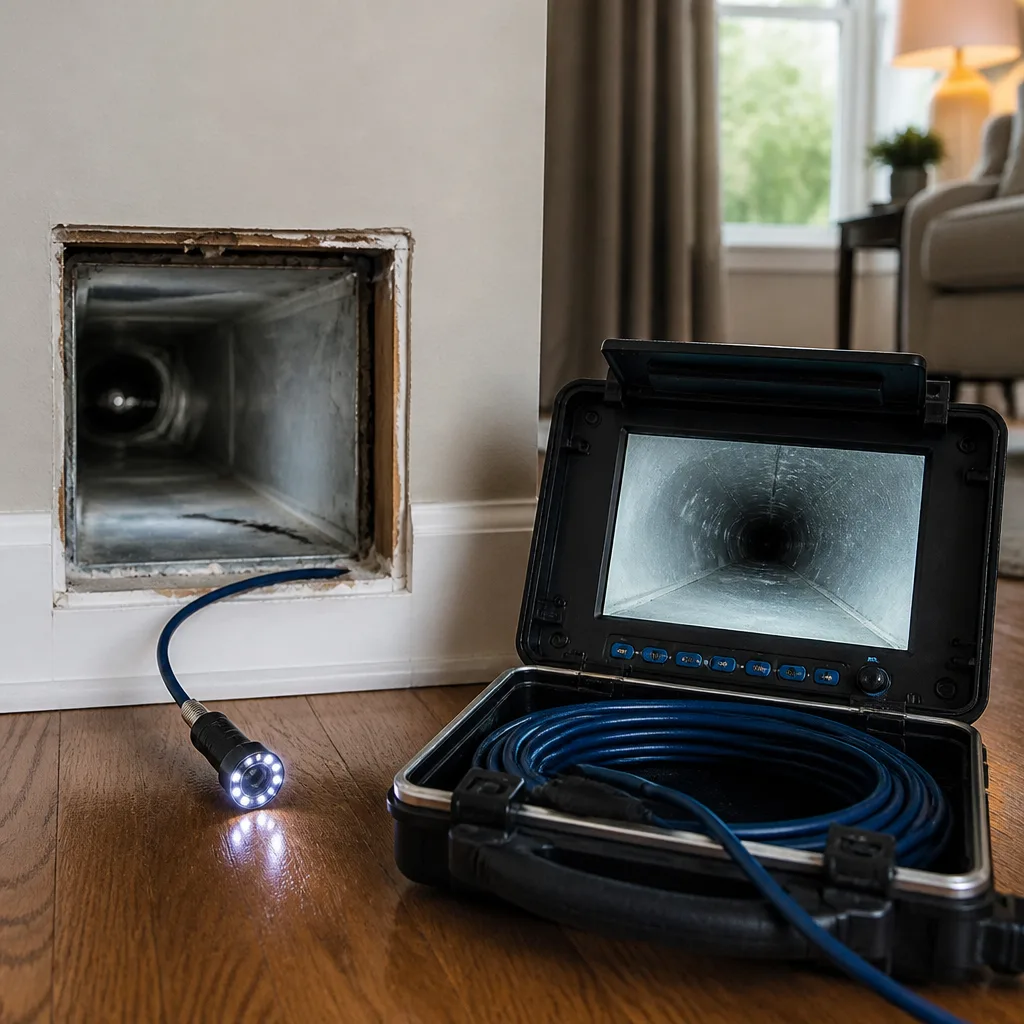 Camera inspection
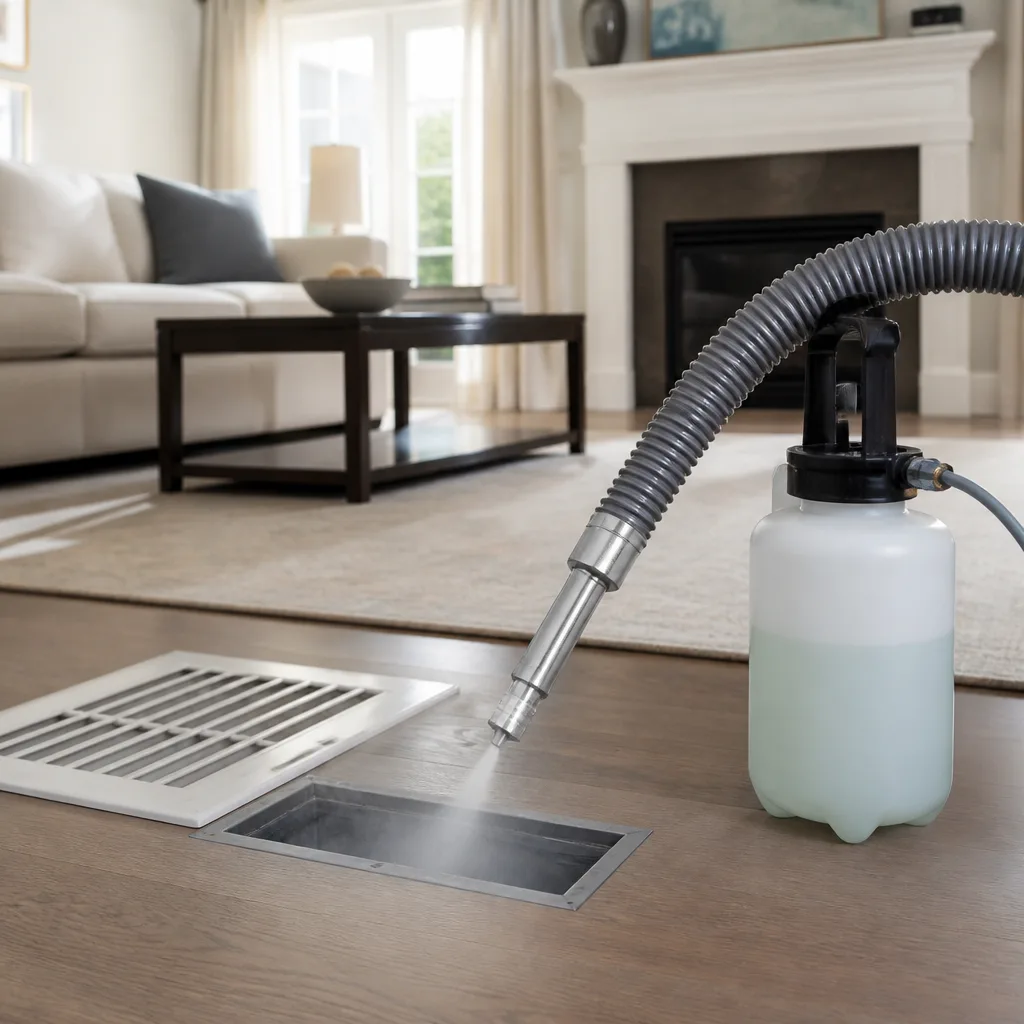 Sanitizing & deodorizing
Whole-system duct and dryer vent check with before-and-after photos - you see exactly what came out of your vents
That "$99 whole-house special" is a bait ad - the real number appears once they are in your hallway, or the "clean" is a shop-vac at the register. We photograph the inside of your ducts before and after instead.
How to Hire an Air Duct Cleaning Contractor in Yorba Linda: A Step-by-Step Guide
In California, anyone with a van and a shop-vac can legally advertise as an air duct cleaning company, so the burden of vetting falls entirely on the homeowner. That surprises most people in Yorba Linda, who assume a trade that works inside the air their family breathes must be licensed like an electrician or a plumber. It isn’t. California has no mandatory licensing requirement for duct cleaning, which means the certificate on the invoice or the logo on the van proves nothing on its own. What separates a real full-system cleaning from a quick vacuum pass is the equipment and the process, and both are things you can check before you book. This guide walks you through exactly what to ask, what to verify, and what to put in writing, so you can tell the difference before anyone shows up at your door.
Quick Answer
To hire an air duct cleaning contractor in Yorba Linda, verify the equipment first (a rotary brush system and a vacuum with real negative pressure and HEPA filtration), ask for a full pre-job walkthrough before any price is quoted, and require a written scope of work by component. Licensing alone won’t protect you here, because California doesn’t mandate one for this trade. A flat price agreed after an in-home assessment, backed by before-and-after photos of your own ducts, is the sign of a contractor worth hiring.
Styles & brands we work with
- Whole-home duct cleaning
- Dryer vent cleaning
- Camera inspection
- Sanitizing & deodorizing
Table of Contents
- Why Licensing Doesn’t Screen Duct Cleaners in California
- The Equipment Questions That Actually Matter
- Red Flags in a Duct Cleaning Quote
- What NADCA Membership Does and Doesn’t Guarantee
- What a Legitimate Pre-Job Walkthrough Looks Like
- Contract Line Items You Should Require
- Yorba Linda’s Climate and What It Does to Your Ducts
- A Step-by-Step Verification Checklist
Why Licensing Doesn’t Screen Duct Cleaners in California
California does not require a state contractor license to clean air ducts, and that single fact reshapes how you should shop. In trades like electrical or plumbing, a license number tells you the person passed a test and carries a bond. In duct cleaning, there’s no equivalent gate. A company can print “licensed” on a flyer and, in many cases, mean nothing enforceable by the state. That doesn’t make every unlicensed operator bad, but it does mean the license can’t be the thing you lean on.
So what does the vetting look like instead? It shifts onto verifiable, physical things: the machinery the crew runs, the process they describe, and the documentation they commit to in writing. When we talk with homeowners across Yorba Linda, the ones who end up satisfied are the ones who asked about equipment model types and access points, not the ones who compared license numbers.
A practical consequence for Yorba Linda homeowners: treat any contractor claim as a lead to investigate, not a seal of approval. Ask what specific brush system they use, what vacuum they run, and whether they measure your ductwork before quoting. The answers separate the specialists from the shop-vac crowd far more reliably than a credential ever could.
The Equipment Questions That Actually Matter
Air duct cleaning is a mechanical job, and the results live or die on the tools. A consumer-grade vacuum pulls a little surface dust; professional equipment scours the duct walls and pulls the loosened debris out under negative pressure so it doesn’t settle back into your home. Here are the specific questions to ask, and what a strong answer sounds like.
1. What brush system do you use?
The industry standard is a rotary brush system, and Rotobrush is the name most specialists run. A rotating brush head travels the length of each duct and mechanically scrubs the walls, which is what actually dislodges caked-on dust, dander, and debris. A crew that only uses a manual whip or compressed air is doing a lighter pass. Ask directly: “Do you use a rotary brush, and which system?”
2. What’s the negative pressure rating on your vacuum?
Negative pressure is the suction that keeps loosened debris from escaping into your living space. A serious truck-mounted or high-capacity extraction unit pulls strong, sustained vacuum through the whole system, not just at the register you can see. You don’t need to memorize a CFM number to ask the question, but a contractor who can’t tell you anything about their vacuum’s capacity is telling you something by the silence.
3. Does the vacuum have HEPA filtration?
HEPA filtration on the collection side traps fine particles instead of blowing them back through the house. For anyone in Yorba Linda dealing with allergies, this isn’t a luxury; it’s the difference between cleaning the air pathway and just stirring it up. Ask whether the vacuum is HEPA-filtered and whether they use containment tools during service.
Professional operations pair rotary brushing with industrial extraction and containment. We run systems from Rotobrush and Nikro, and we use Abatement Technologies filtration tools to contain debris and protect living spaces while we work. The point isn’t the brand names for their own sake; it’s that you can ask any contractor to name their equipment, and a vague answer is your cue to keep looking.
Red Flags in a Duct Cleaning Quote
The duct cleaning industry has a reputation problem, and it starts with the quote. A bait-and-switch usually follows a pattern you can spot before anyone arrives. Watch for these signals.
- A flat-rate price with no home assessment. Duct systems vary by length, material, and layout. A price quoted over the phone without anyone measuring your ducts or seeing your air handler is a guess designed to get a foot in the door.
- No mention of the air handler or coil. Full-system cleaning includes the components where air actually gets conditioned. A quote that only covers “the vents” is skipping half the job.
- A $49 or $99 special that expands on-site. The low teaser number is the hook. Once the technician is inside, the “you also need” list begins, and the final invoice bears little resemblance to the ad.
- Per-vent pricing with a headcount. Charging by the vent encourages a quick pass at each register rather than a thorough clean of the whole pathway. Ask for whole-system pricing instead.
- No written scope or documentation. If they won’t put the scope of work and before/after commitment in writing, there’s nothing to hold them to.
- Pressure to decide today. A real assessment doesn’t come with an expiring offer.
For comparison, a fair quote follows a walkthrough and reflects what’s actually in your home. When you’re ready to see how a full-system approach is priced, our air duct cleaning page lays out what’s involved from start to finish.
What NADCA Membership Does and Doesn’t Guarantee
NADCA, the National Air Duct Cleaners Association, sets industry standards and offers a certification for firms that meet its criteria. Membership is a genuine positive signal: it usually means the company follows an accepted standard of care, keeps up with assessment guidelines, and has committed to a code of ethics. It’s worth asking about and worth verifying directly with NADCA rather than taking a badge on a website at face value.
What it doesn’t guarantee is equally important. Membership is not a government license, and it doesn’t replace the need to check equipment and process yourself. A company can carry the credential and still send a crew that does a rushed job; a smaller operator might run excellent equipment without pursuing membership. So treat NADCA status as one data point, not the whole screen. The question to ask operationally is this: what does your standard process look like from arrival to final photo? That answer tells you more than a certificate.
In our experience, the contractors worth hiring can describe their process in precise, checkable steps, and they welcome questions about equipment because they’re proud of it. If a company gets defensive when you ask about NADCA or their vacuum, that reaction is informative.
What a Legitimate Pre-Job Walkthrough Looks Like
A real duct cleaning price comes after an assessment, never before. The walkthrough is where a contractor learns what they’re actually dealing with, and it’s your best chance to see whether the company knows its trade. Here’s what a proper walkthrough involves.
- Measure linear duct footage. The contractor counts or estimates the total length of ductwork, because a longer system with more runs takes more labor and equipment time. A quote with no footage behind it is guesswork.
- Identify duct material. Sheet metal, flex duct, and rigid board all behave differently under a rotary brush and require different handling. A crew that doesn’t check material risks damaging flex runs.
- Locate access points. Cleaning the full system means reaching the trunk lines and branch runs, which may require cutting access panels. The contractor should map where those go before quoting.
- Inspect the air handler and coil. These are core components of the system, and a full cleaning addresses them. A walkthrough that skips them is a partial job.
- Note the register count and condition. Grilles, returns, and registers all factor into the scope.
- Price the whole system in writing. Once the assessment is done, the contractor gives one flat price for the agreed scope, with nothing per-vent and no surprises added later.
That last step is the one to hold onto. One flat price per system, agreed before work starts, is the model that protects you from the invoice-creep problem. It’s also why our estimates are free and set per job by the written estimate, so you know the number before anyone begins.
Contract Line Items You Should Require
The written agreement is where a good hire gets locked in. Verbal assurances don’t survive a dispute, but a clear scope does. Require these line items in writing before the crew starts.
- Scope of work by component. The contract should list each part being cleaned (supply ducts, return ducts, registers, air handler, coil) rather than a single vague “duct cleaning” line.
- Before-and-after documentation commitment. Ask the contractor to photograph your ducts before and after and show you the images. This is how you confirm the work was actually done rather than taken on faith.
- Warranty terms on workmanship. A contractor confident in the work will stand behind it in writing. Get the warranty terms spelled out.
- Access panel locations. If panels will be cut for access, that should be agreed in advance.
- The final flat price. One number for the agreed scope, with the understanding that the written estimate sets the final price.
If your walkthrough turns up damaged, disconnected, or leaking ductwork, cleaning alone won’t fix it. That’s where a contractor’s full range matters: duct repair and sealing capability means the same team can address leaks and damage rather than cleaning around them and leaving the problem in place. Many cleaning-only operators can’t offer that, which is a fair question to raise during the estimate.
The full air pathway runs from the air handler through the supply and return ducts to every register, and a thorough job covers all of it. If part of your system is the dryer vent, which is a fire-safety concern separate from your HVAC ducts, that’s worth handling in the same visit through dryer vent cleaning.
Yorba Linda’s Climate and What It Does to Your Ducts
Yorba Linda sits in a warm, dry inland stretch of Orange County, and that climate shapes what accumulates inside a home’s ductwork. Long stretches of hot, dry weather mean the air conditioning runs hard for much of the year, pulling air through the same ducts day after day. Low humidity and warm conditions also mean more airborne dust, pollen, and fine particulate drifting into the system, especially around the windy, dry spells the region sees.
Homes here also run the gamut. Some neighborhoods near the older, established parts of Yorba Linda have ductwork that has been in place for a long while, while newer construction throughout the city may have flex runs and sealed systems installed to more recent standards. Older metal ducts tend to collect debris and can develop small leaks at joints; newer flex systems can sag or come disconnected if poorly installed. Neither is a crisis, but both change what a cleaning job should address, which is why the walkthrough matters more than a generic price list.
Add in our particular local realities: the region’s dry, dusty air, seasonal pollen, and the fact that many Yorba Linda homes run pets and central air together, and the case for periodic full-system cleaning gets clearer. Air quality products like Honeywell and Aprilaire filtration can help manage what circulates between cleanings, and sanitizing treatments using Guardsman-grade products address microbial and allergen buildup that cleaning alone doesn’t fully resolve. If you’re curious how the HVAC side fits in, our HVAC cleaning page covers the components beyond the ducts themselves.
A Step-by-Step Verification Checklist
Here’s the whole process boiled down to a sequence you can follow in one phone call and one visit.
- Ask about equipment. Rotary brush system? Which one? Vacuum with real negative pressure and HEPA filtration? A confident, specific answer here is the strongest green flag you’ll get.
- Ask about NADCA. Whether they’re a member, and don’t just take the badge; it’s one data point among several.
- Request an in-home walkthrough before pricing. Refuse any flat phone quote. The price should follow the assessment.
- Watch the walkthrough. Linear footage measured, duct material identified, air handler and coil inspected, access points located.
- Read the written scope. Components listed individually, before/after photo commitment included, workmanship warranty stated.
- Confirm the flat price. One number for the agreed scope, and the written estimate sets the final price.
- Review the photos afterward. Before-and-after images of your own ducts are the proof the work happened.
That flow protects you better than any single credential, because it forces every claim into something you can see and verify. When a contractor walks you through it without flinching, you’re dealing with a professional.
Common Mistakes to Avoid
- Trusting a license as proof of quality. California doesn’t require one for duct cleaning, so a “licensed” claim may mean nothing enforceable. Verify equipment and process instead.
- Booking on a phone quote. A flat price before anyone has seen your ducts is a sales number, not an assessment. Insist on a walkthrough first.
- Falling for a $49 special. Low teasers in the Yorba Linda market expand on-site once the technician is inside. Ask for whole-system pricing up front.
- Forgetting to check for documentation. No before-and-after photos and no written scope means no way to confirm the work. Require both.
- Ignoring the air handler and coil. These are central to the system. A quote that covers only the vents is skipping components that hold dust and debris.
- Choosing the cheapest quote without reading it. The lowest number often reflects the least work. Compare scope, not just price.
- Overlooking damaged ductwork. If your ducts leak or are disconnected, cleaning alone leaves the problem in place. Ask whether the contractor can repair and seal.
See the difference
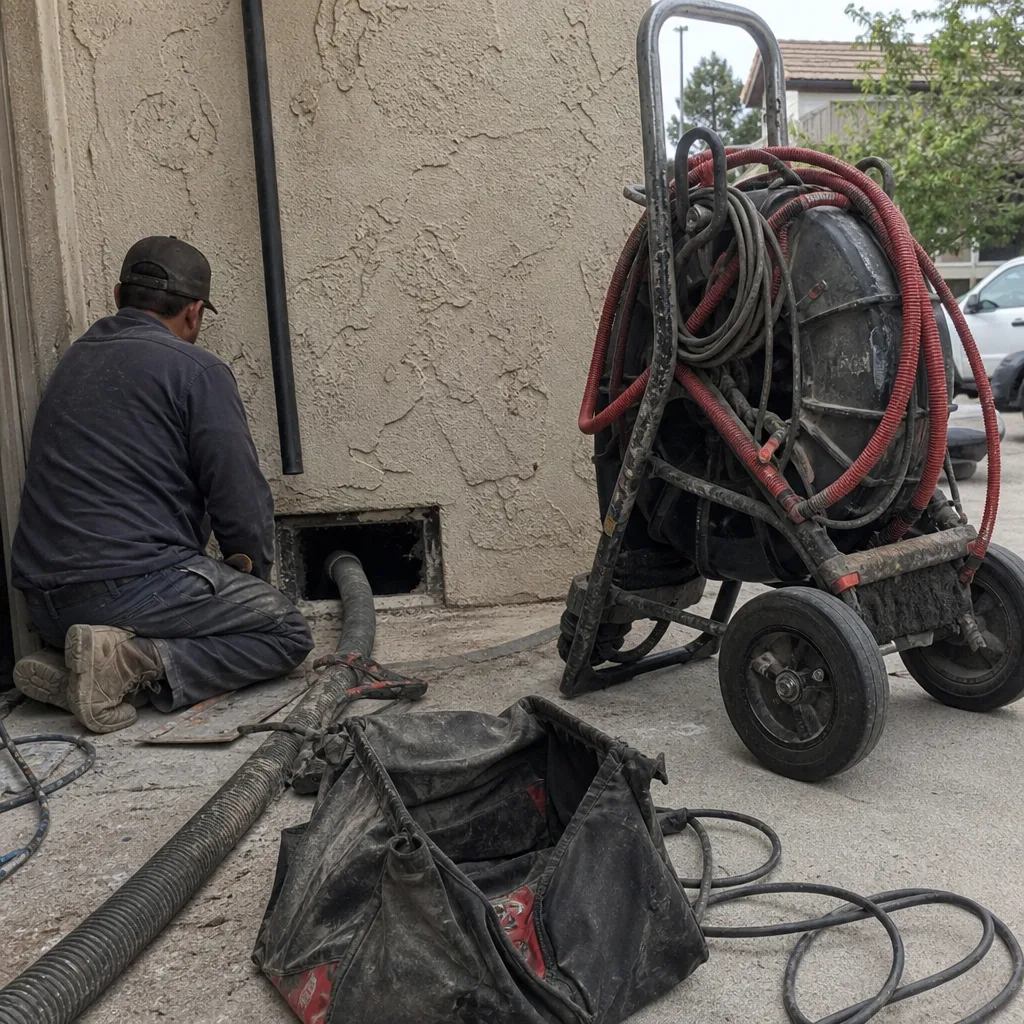 Before
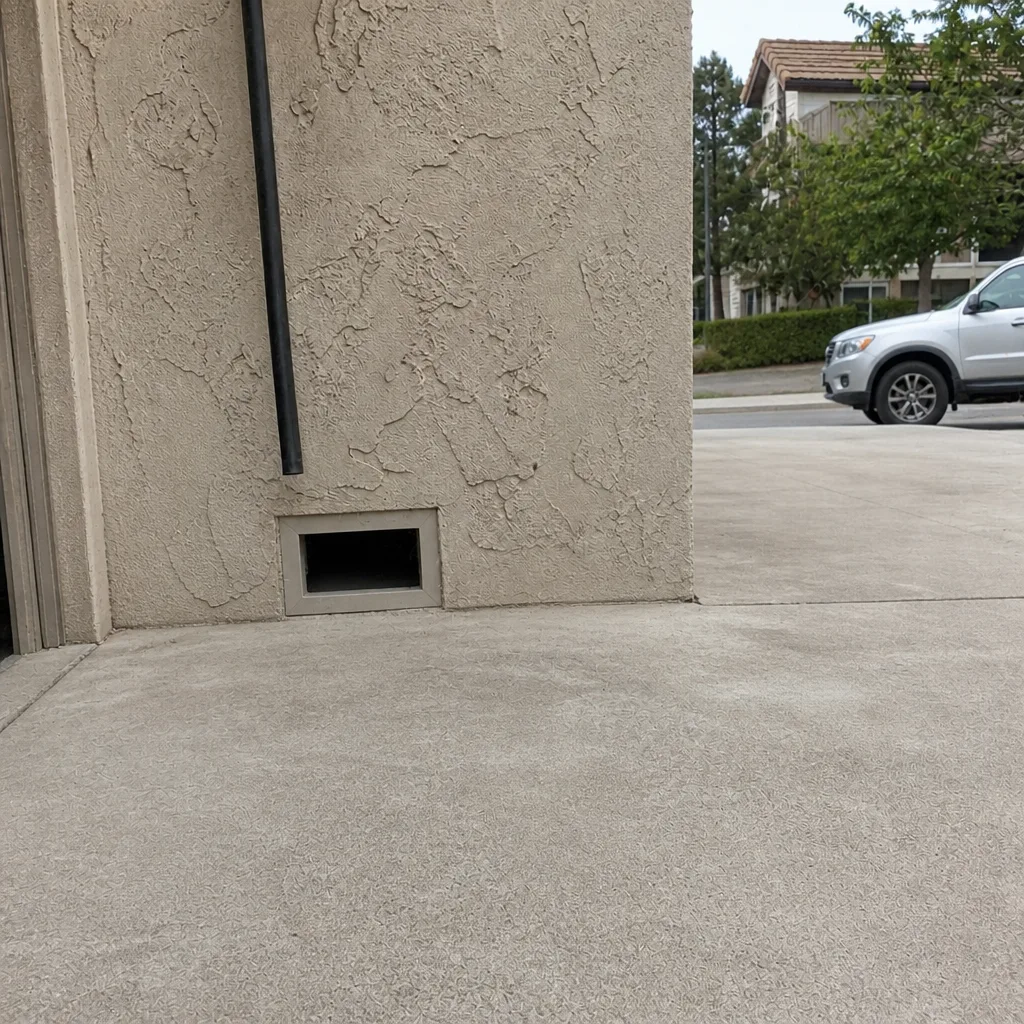 After
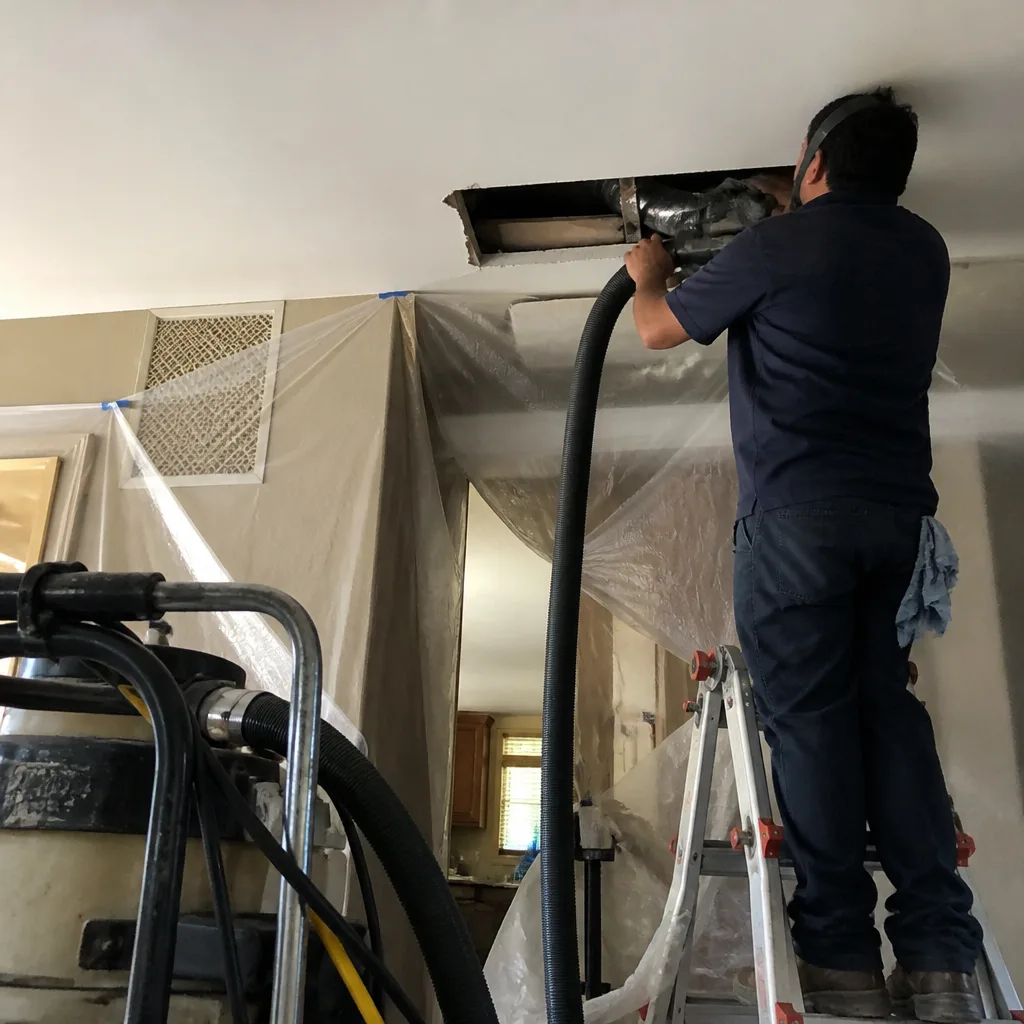 Before
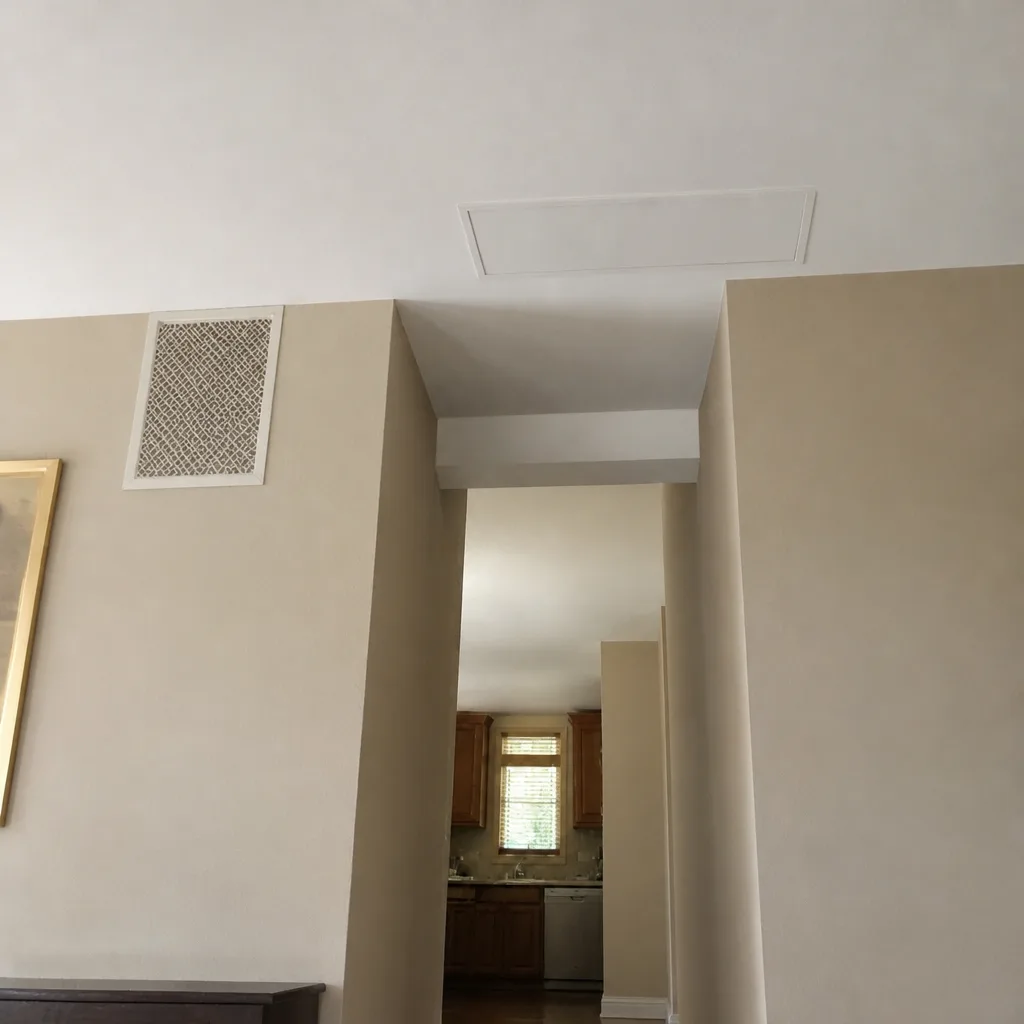 After
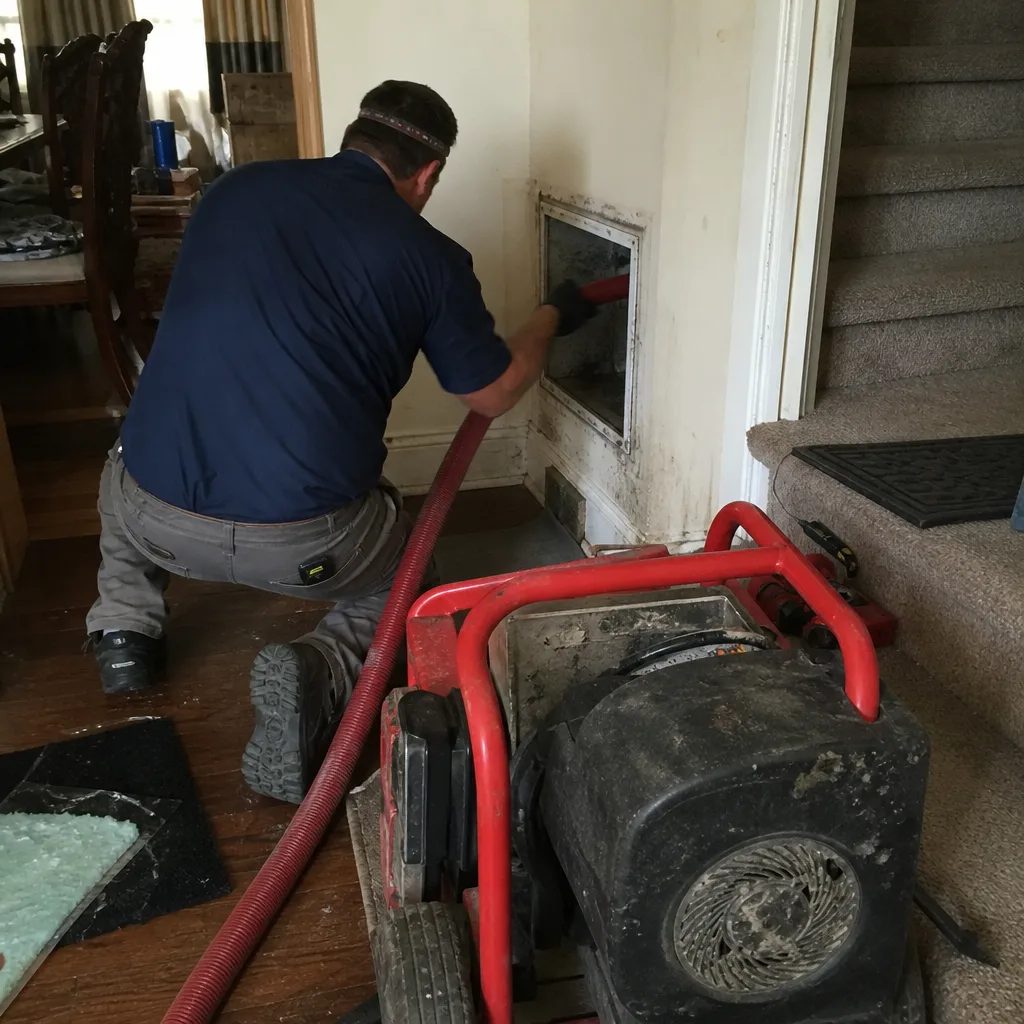 Before
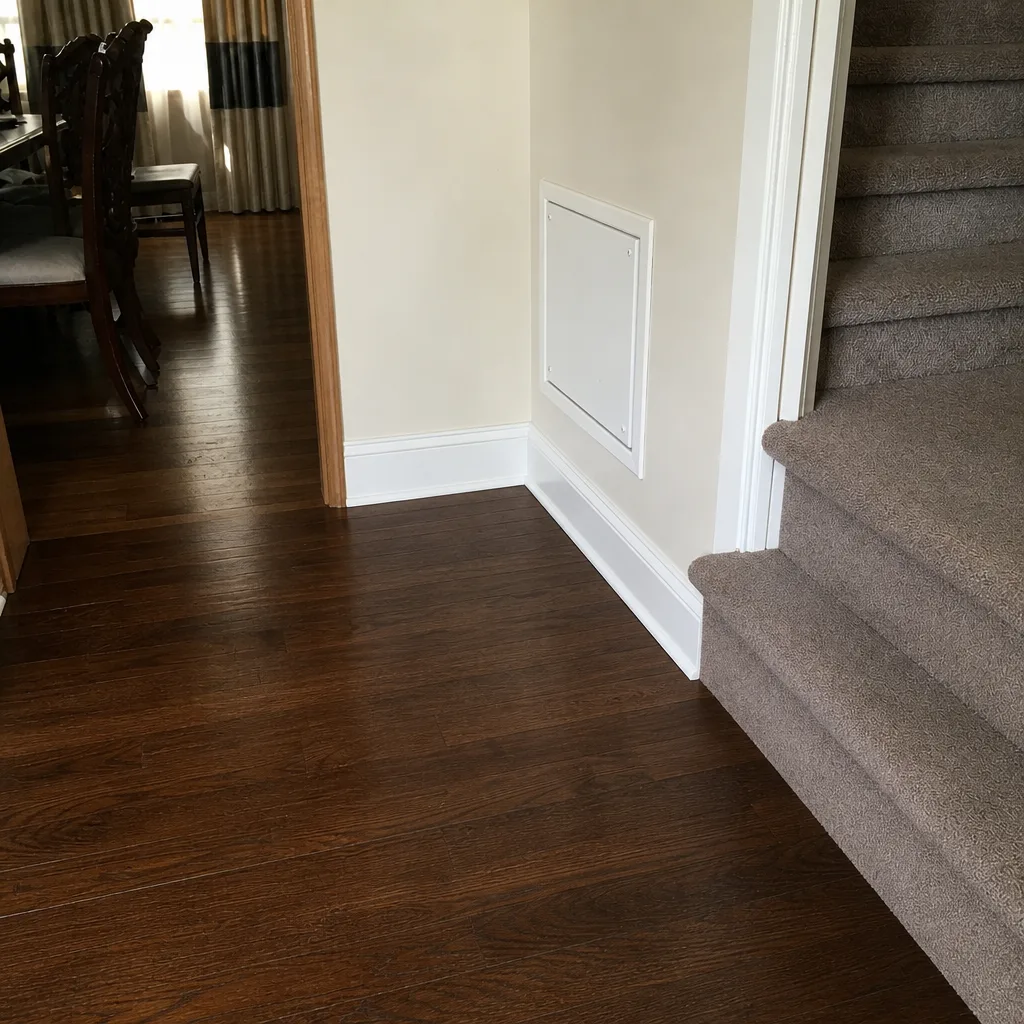 After
When to Call a Professional
Some situations clearly call for a professional assessment rather than guesswork. If anyone in the home has allergies or respiratory sensitivity and you’ve noticed more dust or symptoms indoors, it’s worth a look. If you’ve recently finished a renovation and construction dust settled into the system, that debris needs proper extraction, not a shop-vac. If your HVAC has been struggling, airflow is uneven room to room, or you can see visible dust buildup at the registers, those are signs the system needs attention. Older ductwork, especially in long-established Yorba Linda homes, is another reason to have an expert inspect before assuming a cleaning will solve everything. And if you smell something musty when the system runs, that points to microbial buildup worth addressing with sanitizing.
Yorba Linda Air Duct Cleaning Pros offers free estimates in Yorba Linda. Call (877) 523-5624. We answer 24/7. Fast dispatch from 7am to 7pm, Sunday through Friday.
Frequently Asked Questions
No. California does not require a state contractor license to clean air ducts, so a license alone tells you little. You have to verify equipment and process yourself, asking about the brush system, vacuum capacity, and HEPA filtration, and insisting on an in-home walkthrough before any price.
The most reliable way is before-and-after photos of your own ducts, taken during the job and shown to you. A contractor who commits to documentation in writing has given you a way to confirm the work happened, so ask for it up front and review the images yourself. Call (877) 523-5624 for an exact quote; estimates are free.
Cheap quotes usually reflect less work: a quick surface vacuum instead of rotary brushing, no air handler or coil cleaning, and a per-vent charge that encourages speed. The low teaser price often expands on-site once the technician is inside. A fair quote follows a walkthrough and covers the whole system at one flat price. Call (877) 523-5624 for an exact quote; estimates are free.
Pricing depends on the size of your system, its condition, and what the walkthrough turns up, which is why a written estimate should set the final number. Rather than quote a figure sight-unseen, we assess your ducts and price the whole system flat, agreed before work starts. Call (877) 523-5624 for an exact quote; estimates are free.
A legitimate walkthrough measures your linear duct footage, identifies the duct material, locates access points, and inspects the air handler and coil before any price is quoted. If a contractor skips these steps and quotes from the driveway or over the phone, that’s a signal to keep looking.
There’s no single schedule that fits every home. Pets, allergies, recent renovations, and older ductwork all push the timing sooner, and Yorba Linda’s dusty, dry stretches add to the load. Use the walkthrough to get an honest read on your system rather than following a rigid calendar. Call (877) 523-5624 for an exact quote; estimates are free.
The Bottom Line
Hiring an air duct cleaning contractor in Yorba Linda comes down to verification, not credentials. Because California doesn’t license this trade, the license on the invoice can’t carry the weight you’d expect. What you can check is the equipment (a rotary brush system, a vacuum with real negative pressure and HEPA filtration), the process (a walkthrough that measures your ducts and finds your air handler), and the paperwork (a written scope by component, a before-and-after photo commitment, and a workmanship warranty). Pair that with one flat price agreed before work starts, and the bait-and-switch crowd loses its opening. Ask the equipment questions, demand the walkthrough, and get it in writing. That’s the whole game. Our technicians have up to 12 years of experience. To start with a full-system assessment, reach out to Yorba Linda Air Duct Cleaning Pros and see how the process works from your own home.
Call (877) 523-5624 for a free estimate. We answer 24/7. Fast dispatch from 7am to 7pm, Sunday through Friday.
Written by the team at Yorba Linda Air Duct Cleaning Pros.